US Attacks Iranian Tankers Amid Escalating Tensions in Strait of Hormuz
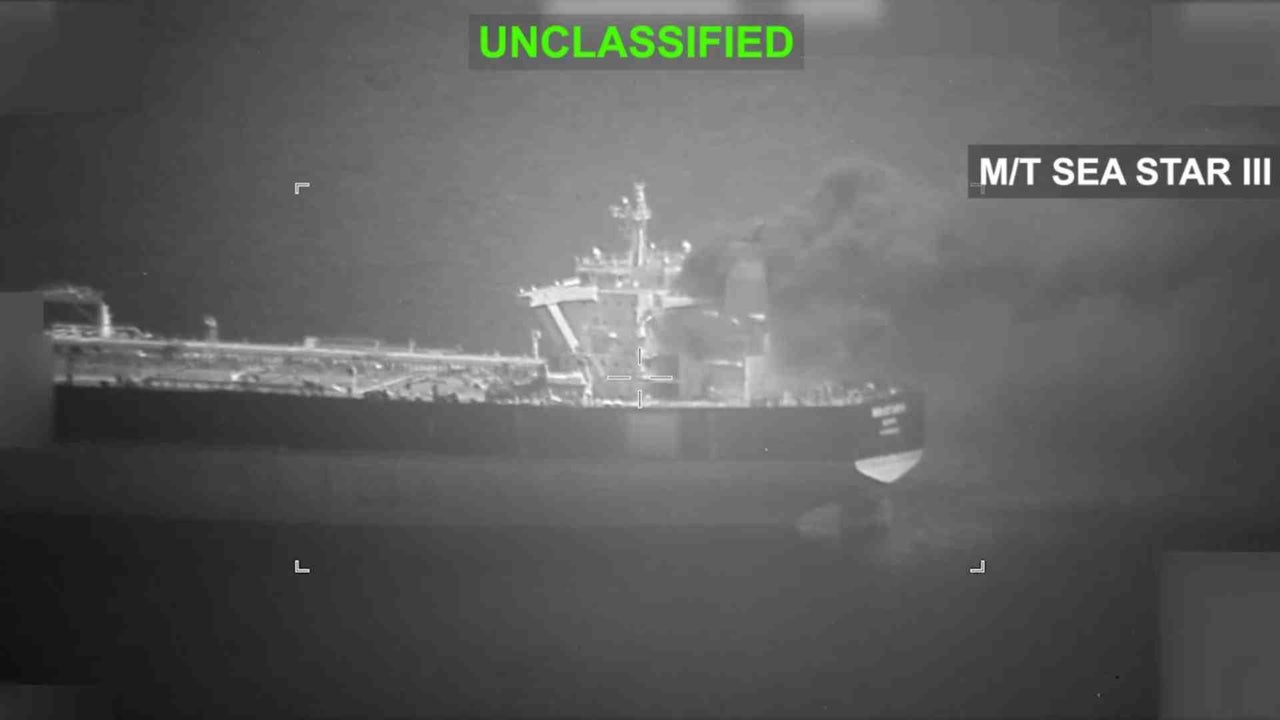
US Central Command has released footage of a combat aircraft disabling two Iranian oil tankers in the Strait of Hormuz. The strike follows overnight exchanges of fire, escalating tensions between Washington and Tehran while a fragile peace proposal and the reopening of the critical waterway remain in precarious balance.
The release of the CENTCOM video is not merely a tactical victory lap; it is a calculated exercise in strategic signaling. By making the precision of the strike public, the United States is attempting to establish a psychological deterrent against Iranian maritime aggression. However, in the volatile corridor of the Persian Gulf, such displays of power often act as catalysts for further escalation rather than anchors for stability.
For the global economy, the Strait of Hormuz is the ultimate chokepoint. Any sustained disruption to this narrow waterway—through which a significant portion of the world’s seaborne oil passes—creates an immediate inflationary shock. When combat aircraft engage tankers, the risk is no longer theoretical; it becomes a line item on the balance sheets of every major energy importer.
The Tactical Shift: From Deterrence to Engagement
The recent engagement, characterized by the use of US combat aircraft to disable Iranian vessels, marks a shift in the operational tempo in the region. The overnight exchanges of fire indicate that the “grey zone” warfare—where actors avoid full-scale conflict but engage in aggressive harassment—is narrowing. The precision of the attack, as showcased in the CENTCOM footage, highlights the technological asymmetry between the two forces, yet the political asymmetry remains profound.
This military friction occurs against a backdrop of extreme diplomatic fragility. While the US continues to pursue a peace proposal, the operational reality on the water suggests a lack of trust that transcends diplomatic cables. The immediate concern for the international community is the “reopening of the strait,” a phrase that implies the waterway’s current status is compromised, whether by physical blockage, threat of attack, or prohibitively high insurance costs.
As the threat level rises, multinational shipping conglomerates are facing a crisis of insurability. The “War Risk” premiums for vessels transiting the Gulf are skyrocketing, forcing companies to seek counsel from international maritime lawyers to renegotiate charters and navigate the complex legal waters of *force majeure* declarations.
The Diplomatic Deadlock at the UN
The military strikes are mirrored by a diplomatic collapse at the United Nations. Iran has formally rejected a proposal submitted by the United States and Bahrain, accusing both nations of “distorting” the functions of the Security Council. This rhetoric suggests that Tehran views the US-led diplomatic efforts not as a path to peace, but as a tool for geopolitical containment.

The rejection of the US-Bahrain initiative indicates a widening gap in the perceived legitimacy of the Security Council’s role in the region. When a state accuses the Council of being distorted, it is signaling a move toward alternative security architectures, potentially leaning further into partnerships with non-Western powers to offset US naval dominance.
“The paradox of the Strait of Hormuz is that while the US possesses the kinetic power to clear the waterway, it lacks the diplomatic leverage to ensure it stays open without constant military presence. We are seeing a transition from a rules-based maritime order to a power-based one.”
This transition creates a vacuum of predictability. For firms managing cross-border trade, the lack of a stable diplomatic framework means that “business as usual” is no longer a viable strategy. Forward-thinking executives are now onboarding geopolitical risk consultants to model “worst-case” scenarios where the Strait is closed entirely, requiring a total redirection of energy supply chains.
Macro-Economic Ripple Effects and Supply Chain Fragility
The economic implications of the US-Iran skirmish extend far beyond the price of a barrel of crude. The instability in the Strait triggers a domino effect across several sectors:
- Energy Volatility: Immediate spikes in Brent and WTI benchmarks as markets price in the risk of a total blockade.
- Freight Costs: Increased costs for tankers and cargo ships as they are rerouted or forced to pay higher premiums.
- FDI Hesitation: Foreign Direct Investment in Gulf-state infrastructure slows as the region’s perceived stability wavers.
- Insurance Market Strain: Reinsurance companies face mounting pressure as the frequency of “state-on-state” maritime incidents increases.
The global market’s ability to absorb these shocks is currently limited. With existing supply chain fragilities still lingering from previous global disruptions, a conflict in the Hormuz corridor could be the tipping point for a new wave of global inflation. Analysis from the World Bank and Bloomberg suggests that energy security is now inextricably linked to maritime security in the Middle East.
To mitigate these risks, global firms are restructuring their logistics. This involves moving away from “just-in-time” delivery models toward “just-in-case” inventories, a transition that requires the expertise of global logistics firms capable of managing diversified transit routes that bypass the Persian Gulf entirely.
The Geopolitical Chessboard: A New Equilibrium?
The current escalation is a symptom of a larger struggle for regional hegemony. The US is attempting to maintain the “freedom of navigation” principle—a cornerstone of global trade—while Iran seeks to leverage its geographic position to force concessions on sanctions and diplomatic recognition. What we have is a classic struggle between a global hegemon and a regional power using “asymmetric leverage.”
Further reading on the historical context of these tensions can be found via Foreign Affairs and updated reporting from Reuters, which highlight the recurring nature of “tanker wars” in the region.
The ultimate question is whether the US peace proposal—currently awaiting a response—is a genuine olive branch or a tactical pause to reposition assets. If Iran continues to view the UN process as “distorted,” the likelihood of a diplomatic breakthrough diminishes, leaving the region in a state of permanent high-alert.
As the global security architecture shifts, the ability to navigate these crises depends on access to specialized expertise. Whether it is restructuring a supply chain to avoid a war zone or navigating the legal complexities of maritime conflict, the difference between resilience and collapse is the quality of your partners. The World Today News Directory remains the definitive resource for connecting global enterprises with the legal, financial and strategic consultants necessary to survive a volatile geopolitical landscape.