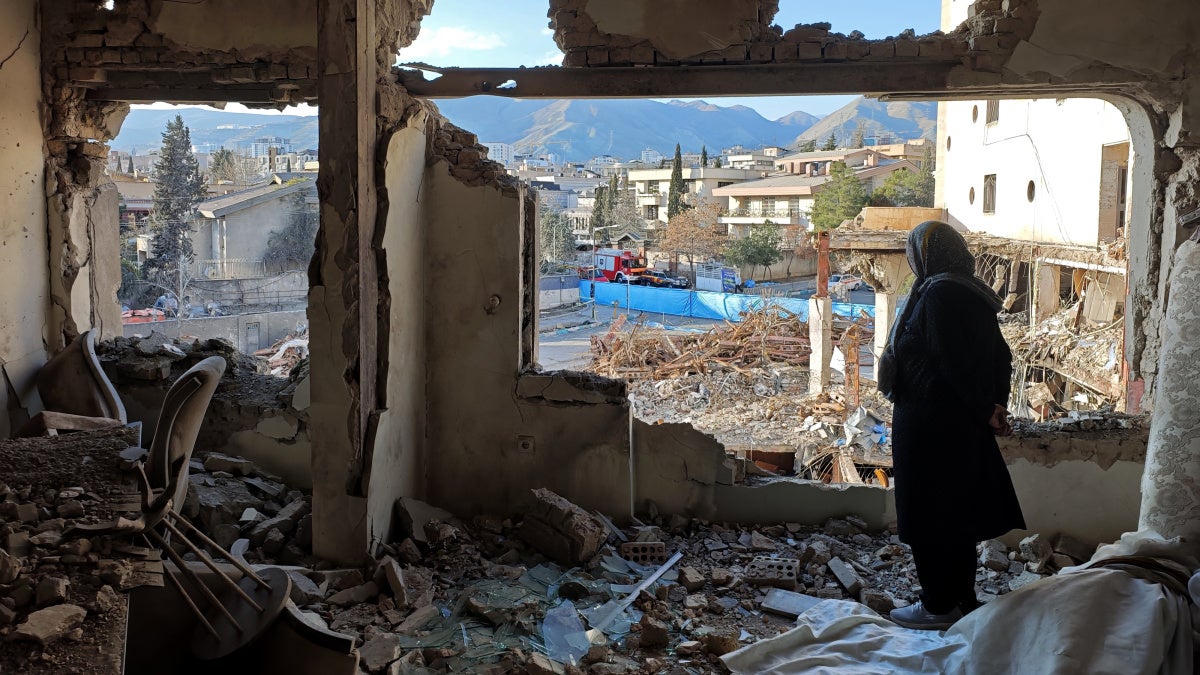
US and Iran Threaten Civilian Infrastructure Attacks Amid Escalating Conflict
President Donald Trump announced on July 24, 2026, that the United States is considering a massive attack on Iran following a breakdown of the bilateral ceasefire and the US-Iran Memorandum of Understanding.
The Collapse of Diplomacy and Direct Threats to Capital Cities
The diplomatic collapse stems from a rapidly deteriorating security environment in the Persian Gulf. On July 23, 2026, President Trump stated that any future Iranian attacks on shipping vessels in the Strait of Hormuz using missiles, rockets, drones, or other weapons would trigger immediate American retaliation. According to the presidential statement, the United States will bomb and destroy one bridge or power plant, including facilities located next to or inside the Capital City of Tehran.

Mohammad Bagher Ghalibaf, speaker of Iran’s parliament, posted a direct counter-warning on the social media platform X on July 22, 2026. Ghalibaf stated that if Iranian security is not ensured, no regional infrastructure will remain safe.
Violations of the Laws of War and International Legal Frameworks
The laws of war strictly prohibit deliberate attacks against civilian objects. Furthermore, international law outlaws military strikes where expected civilian harm is excessive when compared to the anticipated direct military advantage.
Legal scholars and human rights organizations point out that individuals who commit serious violations of the laws of war with criminal intent—meaning they act either deliberately or recklessly—bear personal responsibility for war crimes. Balkees Jarrah, Middle East and North Africa director at Human Rights Watch, emphasized the gravity of the situation in a published statement regarding the crisis.
“US and Iranian leaders are threatening deliberate attacks on civilian infrastructure following earlier fighting between the two countries in which their forces unlawfully attacked civilians and civilian objects in Iran, Gulf countries, and Israel,” Jarrah stated. She added that the international community must intervene immediately, noting that other countries should make clear to the United States and Iran that those responsible for war crimes will be brought to justice, including through universal jurisdiction.
Economic Fallout and Regional Infrastructure Vulnerabilities
Universal jurisdiction mechanisms and diplomatic pressure remain the primary tools for signaling that wartime legal protections apply universally, regardless of the technological sophistication or strategic value of the targeted assets.