US and Iran Race to Find Downed American Pilot
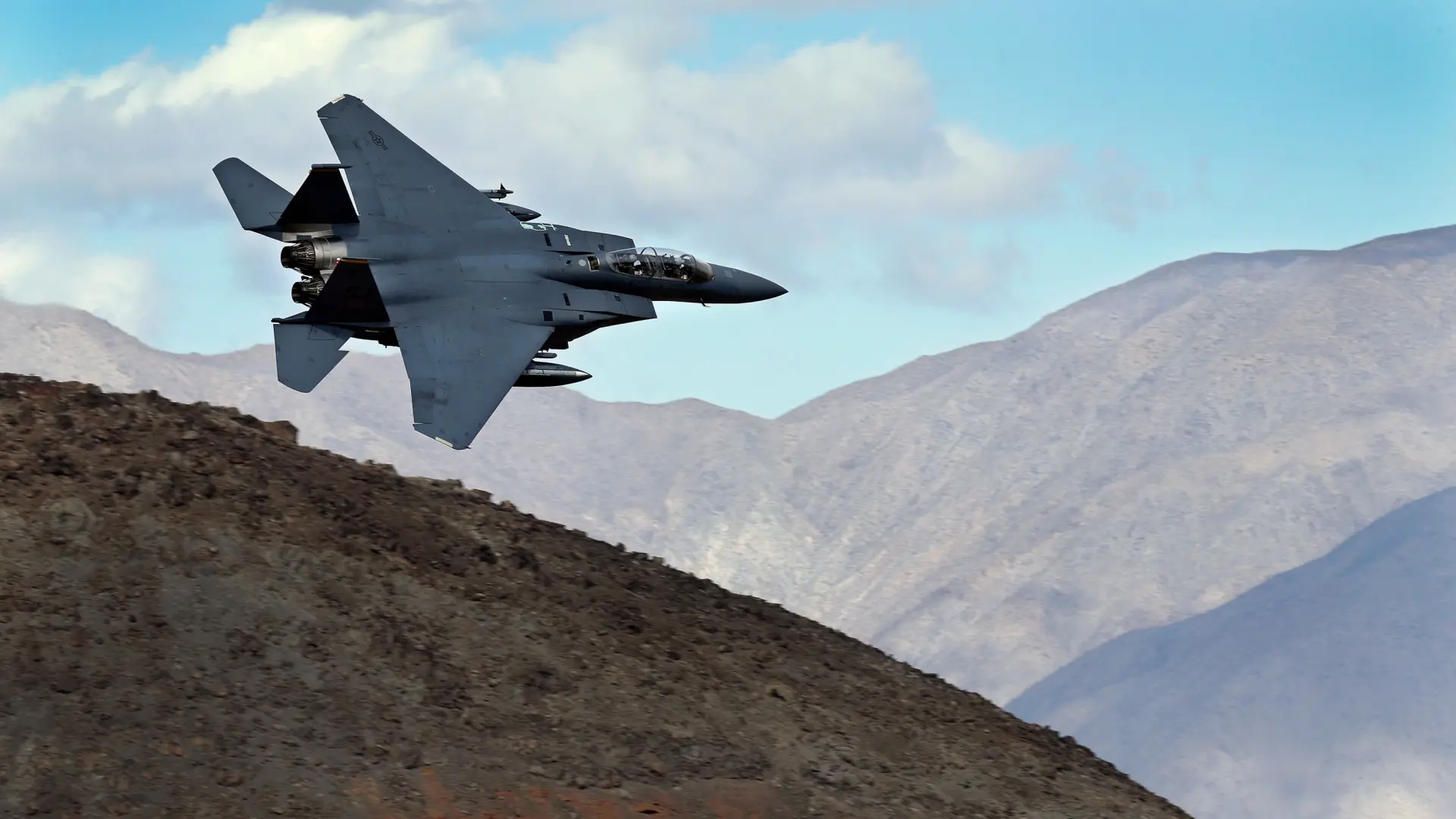
United States and Iranian forces are engaged in a high-stakes race to locate a downed F-15 pilot in Iranian territory. Former UK Ambassador Matthew Gould warns that capture by the Islamic Revolutionary Guard Corps (IRGC) could trigger a severe diplomatic crisis, as the regime typically views prisoners as propaganda trophies.
The tension in the region has reached a breaking point. This is no longer just a military skirmish; it is a psychological war of attrition. As Washington scrambles to recover its personnel, the Iranian regime has already introduced a reward for the pilot’s capture, turning a military recovery operation into a predatory hunt.
For the families of those caught in these geopolitical crossfires, the uncertainty is agonizing. Navigating the labyrinth of international treaties and hostage negotiations often requires the specialized guidance of international human rights attorneys who can interface with diplomatic channels when official government responses are slowed by bureaucracy.
The “Trophy” Mindset: Analysis of Captivity
Matthew Gould, who served as the UK Ambassador to Israel between 2010 and 2015, provides a chilling blueprint of what happens when the IRGC secures a high-value American asset. Gould is not speaking from theory. In 2004, he was the Deputy Ambassador sent to the Iranian port of Bandar-e Mahshahr to negotiate the release of six Royal Marines and two Navy sailors captured in the Shatt al-Arab strait.

The primary difference today? The United States is in an active state of war with Iran.
Gould argues that the likelihood of the pilot being killed immediately is low. The Iranian regime prefers to keep prisoners alive to extract maximum strategic and symbolic advantage. However, the internal stability of the Iranian command structure has shifted. Following the elimination of numerous high-ranking officials by U.S. Strikes, decision-making power has devolved to local IRGC commanders.
“The authority to take decisions has been transferred to the local commanders of the IRGC, who could adopt a much more aggressive and intransigent posture toward their prisoners. This could manifest in physical abuse, but it is most likely to be emotional.”
This decentralization of power creates a volatile environment. While the central regime may want to project a “humane” image to the global community, local commanders may lean toward the humiliation of the “great enemy” to prove their own loyalty or strength. This internal friction—between the propagandists and the hardliners—is where the greatest risk to a prisoner resides.
The Strategic Chessboard: Hormuz and NATO
While the search for the pilot continues, the broader conflict is being dictated by a rigid set of demands from the White House. President Donald Trump has been explicit: no ceasefire will be considered until the Strait of Hormuz is “open, free, and clear.”
The Strait of Hormuz is not merely a geographic waypoint; it is the world’s most critical oil artery. By blocking or restricting this passage, Iran holds a knife to the throat of the global economy. Trump’s refusal to negotiate while the strait remains restricted signals a shift toward total economic and military pressure.
This volatility has spilled over into the Atlantic alliance. Trump has described NATO as a “paper tiger,” claiming that the alliance’s refusal to fully align with his posture in the war against Iran has made the U.S. Exit from the pact “irreversible.”
This fragmentation of Western unity creates a vacuum of security that private entities are now forced to fill. Corporations operating within these high-risk zones are increasingly relying on geopolitical risk consultants to safeguard their assets and personnel against the unpredictability of a regime that views international law as a suggestion rather than a requirement.
The Human and Regional Cost
The conflict is not contained within the borders of Iran and the U.S. In Baghdad, massive crowds have taken to the streets to protest the war waged by the United States and Israel against Iran. This suggests a growing regional fracture, where local populations are increasingly wary of the collateral damage caused by superpower confrontations.
The military reality on the ground is equally grim. Reports indicate that Iran has claimed the downing of an F-15 and an A-10, as well as impacting two Blackhawk helicopters in a single day. While U.S. Officials confirmed that one F-15 pilot was rescued alive, the search for other missing crew members remains a “race against the clock.”
The logistical complexity of these rescue missions—often involving Special Operations recovery teams—is immense. When state-led efforts face diplomatic deadlocks, the role of private security firms specializing in high-risk extraction becomes a critical, albeit shadowed, component of the recovery landscape.
The Long Game of the Regime
The most dangerous attribute of the Iranian regime, according to Gould, is its patience. Unlike Western political cycles that demand immediate results, the IRGC is comfortable with a stalemate. They are prepared to hold a prisoner for months or even years, using them as a tool to erode the political will of the adversary.
The pilot is not just a soldier to them; he is a diplomatic shield and a propaganda tool. Once captured, the regime will likely strip the prisoner of any intelligence-revealing equipment and hide them in an undisclosed IRGC garrison, waiting for the moment when the prisoner’s value is at its peak.
As the search continues and the rhetoric between Washington and Tehran hardens, the fate of the missing pilot remains the central pivot of this conflict. Whether he is recovered by a daring rescue mission or becomes a pawn in a years-long diplomatic game, the precedent set here will define the next decade of Middle Eastern geopolitics. In an era where alliances like NATO are fraying and strategic waterways are being weaponized, the only certainty is the need for verified, professional expertise to navigate the chaos. For those seeking the specialized legal or security resources necessary to manage the fallout of this crisis, the World Today News Directory remains the definitive bridge to the professionals equipped for the unthinkable.