
US Aid Cuts to HIV Programs: Treatment Levels Hold, But Concerns Rise
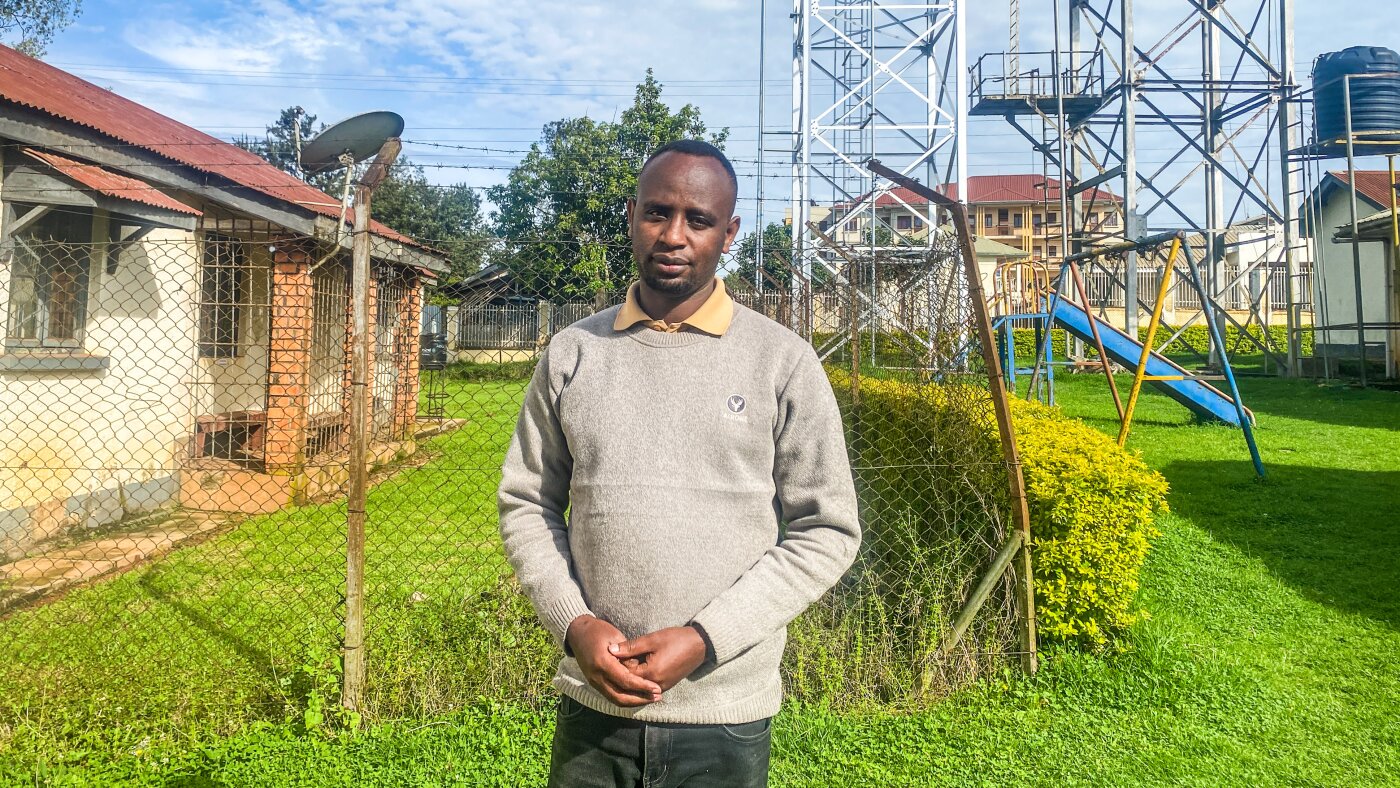
KABALE DISTRICT, Uganda — Harerimana Ismail hasn’t received a paycheck since the beginning of last year, but he continues to make his rounds. When the Trump Administration paused foreign aid and issued stop work orders in January 2025, nearly all U.S. Foreign aid projects were halted, including the funding for Ismail’s position as a community health worker at the Kabale Regional Referral Hospital in southwestern Uganda. His salary, roughly $50 a month, had been covered by a U.S. Grant for eight years.
Despite the loss of income, Ismail continues to visit children and teens living with HIV, ensuring they take their medications, remain connected to medical care and receive support. “There is not any stipend or salary that I’m paid,” says Ismail, 32, who contracted HIV at birth from his mother. “It’s just because I understand the pain young people living with HIV pass through — that’s why I remain.” He now survives primarily by growing vegetables in his garden and selling Irish potatoes to pay rent, and reports losing 15 pounds this past year.
New data suggests Ismail’s efforts, and those of others like him, have had a significant impact. Preliminary figures from the U.S. Government indicate that global HIV treatment levels are roughly the same as before the disruptions caused by the aid cuts. The U.S. Supports more than 20 million people on HIV treatment, and the number of people on treatment dipped by only 100,000 between the end of the 2024 reporting period and a year later, according to the State Department. “The most severe outcomes that we were concerned about haven’t come to pass,” says Jeff Imai-Eaton, an associate professor of epidemiology at the Harvard T.H. Chan School of Public Health.
However, a lack of transparency surrounding the data has emerged. For decades, the U.S. Has been a leading force in the global fight against HIV/AIDS, investing over $110 billion and saving 26 million lives. This effort was supported by comprehensive data tracking, aiming to ensure programs met their goals. Ramona Godbole, the former deputy director of policy, planning and programs at the now-defunct U.S. Agency for International Development, explained that the U.S. Previously maintained a “gold standard for collecting data on a regular basis and sharing it transparently — and then using that data to really inform decision making.” But as foreign aid was slashed and programs upended last year, the U.S. Government stopped releasing this data. “It has really been a black box. There has been no new data released,” Godbole says.
A brief glimpse of preliminary data on U.S. HIV work appeared on a government website weeks ago before being taken down. The State Department declined to comment on the removal. Experts say the data, though not yet officially released, aligns with findings from other organizations. “It complements quite well the data that we’ve received [from countries],” says Mary Mahy, director of data and evidence at The Joint United Nations Programme on HIV and AIDS (UNAIDS).
Early last year, Charles Kenny, a senior fellow at the Center for Global Development, estimated the potential impact of the aid cuts and issued dire warnings. The preliminary government figures, he says, offer a glimmer of hope that U.S. Support for HIV treatment is stronger than he initially projected. “If this data is right, we are in a better place than I thought we would be, even though we’re still in a really bad place,” Kenny said, after analyzing the data in a blog post.
In a statement to NPR, the State Department confirmed that treatment levels at the end of the 2025 reporting period were roughly the same as the year before. Although treatment levels dipped by 23% in March 2025, they rebounded to be only 2% lower by September. The State Department attributed any perceived decline to “temporary reporting challenges, not actual disruptions in care,” and stated that the delayed release of data was due to reporting issues, with a commitment to resume regular reporting when data accuracy is assured.
Imai-Eaton believes the rebound in treatment numbers wasn’t due to a reversal of the initial predictions, but rather a global response to the potential loss of life. The Trump Administration restarted some programs deemed lifesaving, and countries receiving aid stepped in to fill the gaps. “The efforts by Ministries of Health to reprioritize and sustain services was pretty heroic,” says Imai-Eaton. Crucially, individuals like Ismail persevered, borrowing a bicycle to reach patients in remote areas after losing access to affordable transportation.
Mahy emphasizes the role of individuals and communities who continued their work despite not being paid. “Individuals and communities just saying: ‘It doesn’t matter if we don’t get paid, we necessitate to reach out to these people and make sure that they’re getting their medications,’” she says. Other HIV specialists highlighted the selflessness of community health workers as a key factor in preventing a larger drop in treatment levels.
Despite the maintained treatment levels, concerns remain. The number of people receiving HIV testing and counseling with U.S. Support dropped from over 80 million at the end of 2024 to just under 70 million a year later. Advocates say the quality of treatment services has suffered, and related programs, such as prevention and peer support groups, have been shut down. Ismail notes that some patients he works with are receiving “expired drugs” due to supply chain disruptions and face long wait times – between four and nine hours – at hospitals.
The distribution of condoms for HIV prevention has similarly dwindled, according to Imai-Eaton, as have efforts to reach high-risk populations like sex workers and men who have sex with men. Dr. Caspian Chouraya, who oversees work in a dozen countries for the Elizabeth Glaser Pediatric AIDS Foundation, says support groups for teenagers with HIV have ended due to funding cuts, and funding for cell phone minutes used to remind patients of appointments and medication refills has dried up.
Emily Bass, author of To End A Plague on the U.S. Response to HIV/AIDS, says the events of the past year raise fundamental questions about the U.S. Approach. “The entire treatment ecosystem was sort of shredded,” she says. “And then it becomes a question of like: Are we happy with providing the absolute bare minimum?”
Ismail recounts the recent death of a 14-year-old girl who aspired to be a nurse. Unable to reach her due to lost transportation funding, Ismail learned she had gone without medication and died at the hospital in June. “She reached the hospital and she died in my hands — a 14-year-old,” Ismail says. He says the girl’s death motivated him to continue his work, but admits he cannot continue indefinitely without pay, and fears for his ability to reach his former patients before it’s too late.