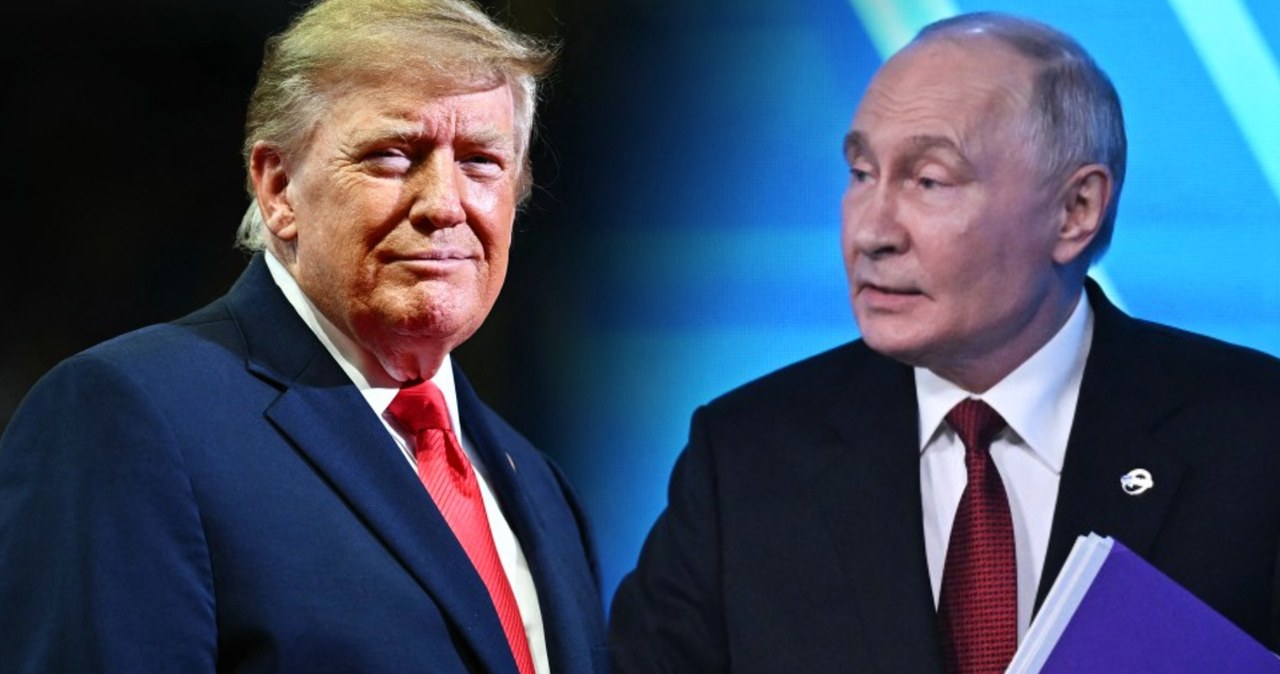
US Administration Faces Backlash After Suspending Russia Sanctions
The administration has suspended incoming tariffs on Russian trade while defending a temporary waiver as a method to manage energy flows, triggering sharp bipartisan blowback and intensifying friction with Kyiv over global energy supply lines. The legislation signed on September 18 under the Lindsey O. Graham Sanctioning Russia and Iran Act of 2026 originally aimed to penalize financial networks and oil trade supporting Moscow, but executive carve-outs have sparked intense debate across Washington and European capitals.
White House Defense of the Russian Sanctions Waiver
Interia Wydarzenia reported that the administration has actively defended its shifting posture on Moscow, arguing that recent exemptions and trade measures are designed to exert pressure rather than offer relief. Money.pl detailed comments from US Chris Wright, who stated during Sunday interviews on ABC and CNN that Russia currently lacks domestic fuel reserves to sell abroad. The administration's framework presents the regulatory adjustments as a method to manage energy flows while maintaining long-term influence, though critics challenge that assessment.
Decyzja Donalda Trumpa ws. uchylenia części sankcji wobec Rosji spotkała się ze sprzeciwem części amerykańskiego Kongresu.https://t.co/MMTXEVz5m5
Lawmakers from Both Parties Condemn the Decision
Lawmakers from both sides of the aisle have swiftly condemned the decision to bypass the newly enacted restrictions. Newsweek noted that Republican congressman Don Bacon of Nebraska posted on X that the president is not ending the war, but rather prolonging it. Senate Minority Leader Chuck Schumer described the move as a birthday gift to Vladimir Putin, adding that the administration is putting the Russian economy on a financial lifeline. Additional Republican opposition came from Texas Senator Ted Cruz, who labeled the policy a mistake on Fox News, and North Carolina Senator Thom Tillis, who called the capitulation to Moscow extremely irresponsible.
Rubio Pauses Tariffs for a 60-Day Review
The temporary suspension grants a 60-day window to evaluate the broader economic fallout of the penalties. US Secretary of State Marco Rubio explained the pause is necessary to analyze the impact on global markets before implementing up to 100-percent tariffs on nations importing Russian oil and gas.
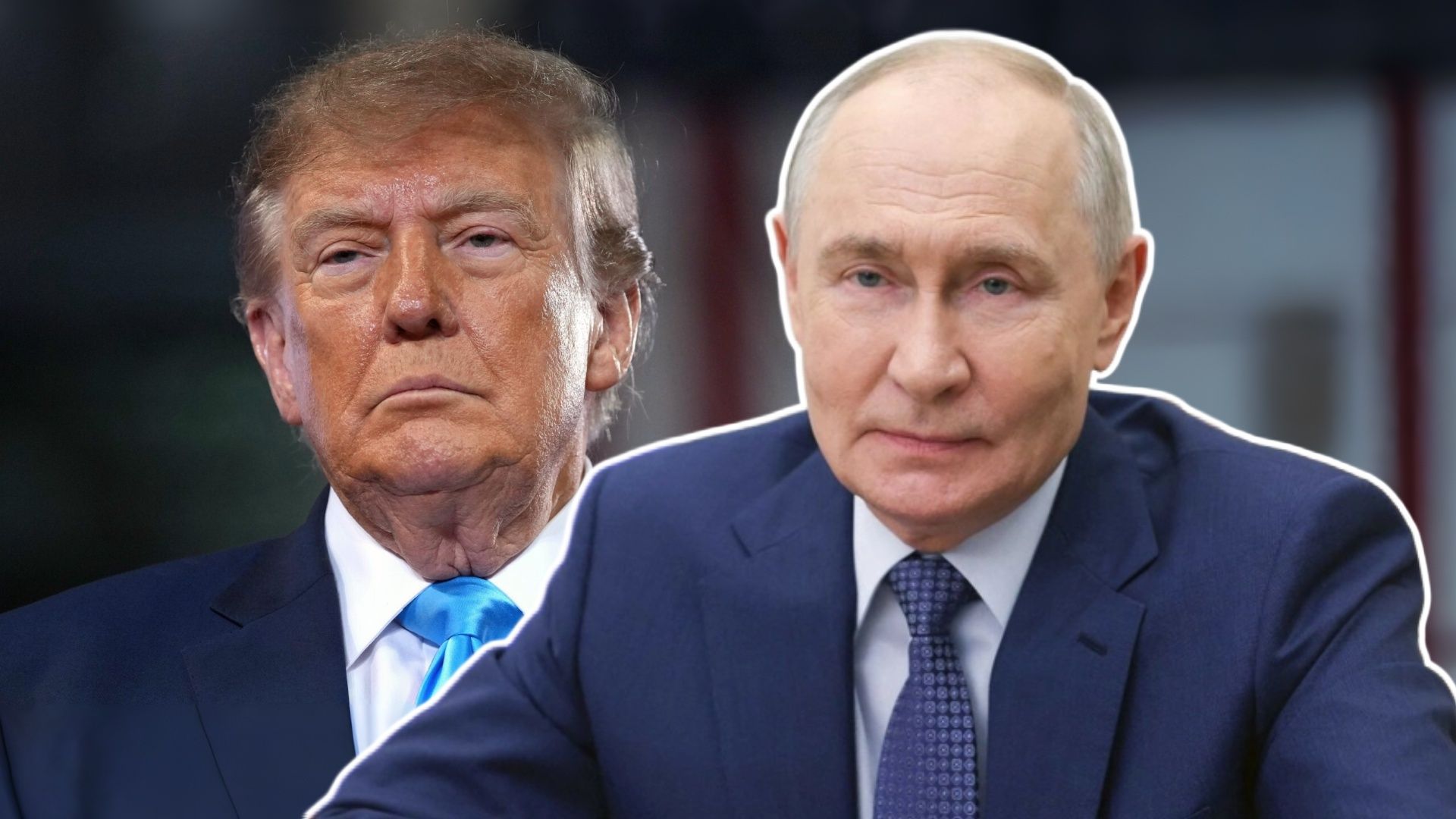
Global Markets React to Shifts in Energy Policy
International commodity exchanges reacted swiftly as energy analysts parsed the dual objectives of suppressing domestic fuel prices and maintaining economic warfare against the Kremlin. Kirill Dmitriev, head of the Russian Wealth Fund, praised the policy shift on X as a historic moment for bilateral economic cooperation, while Ukrainian officials voiced deep frustration over concessions that ease fiscal pressure on Russian state energy firms. Multilateral energy distributors and maritime transport providers are increasingly turning to trade compliance specialists to follow rapidly shifting customs mandates and avoid sudden regulatory penalties. Meanwhile, financial institutions exposed to cross-border commodity transactions are engaging international risk consultants to audit their exposure ahead of the expiration of the 60-day review period.
The 60-day review clock continues to tick as international monitors track whether the temporary exemptions will force a return to diplomatic talks or simply solidify new trading baselines for Russian energy exports.
More on Graham Sanctioning Russia
Related reading