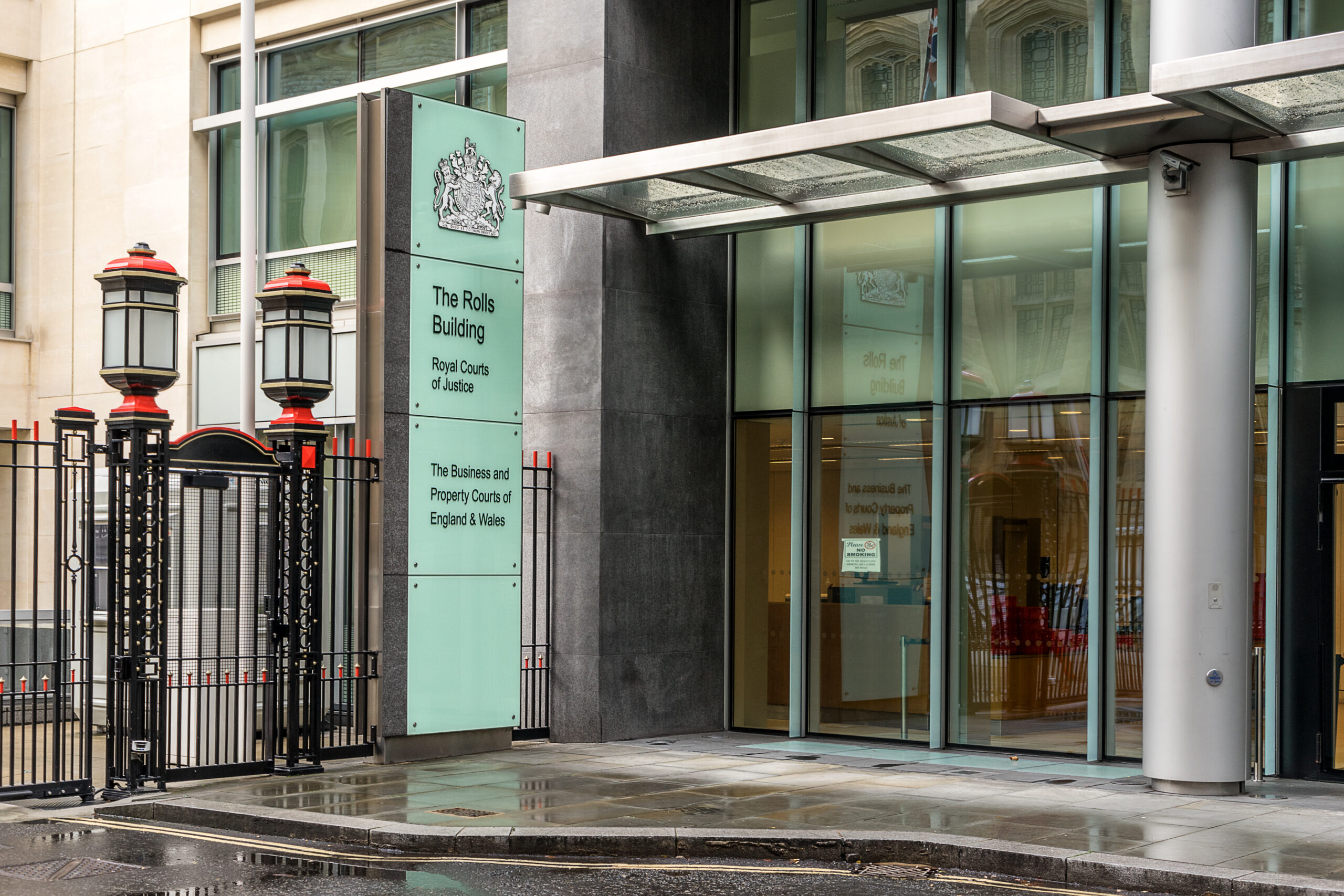
Upper Tribunal Rules on Mandatory Reconsideration in Dawod Case
Mr Dawod secured a universal credit housing costs payout on September 29, 2026, after the Upper Tribunal allowed an appeal in Dawod v Secretary of State for Work and Pensions [2026] UKUT 360 (AAC). Tom Royston of Garden Court North, instructed by Will Ford of Osbornes Law Solicitors alongside the Child Poverty Action Group, represented the appellant before a three-judge panel in the Administrative Appeals Chamber.
Tribunal Overturns Three Prior Dismissals Over Housing Costs
The dispute began in 2022 when Mr Dawod received an initial universal credit award that omitted provision for his housing costs. When he requested a correction, the Department for Work and Pensions refused to amend the award retrospectively, driving him into several months of rent arrears. The Department argued the original decision could not be altered because no formal mandatory reconsideration had occurred, maintaining that officials had only considered whether to supersede the decision.
The First-tier Tribunal dismissed Mr Dawod’s attempts to appeal three separate times. The Upper Tribunal noted in its judgment at paragraph 11 that the lower tribunal “had three goes at getting this appeal right. As will become painfully apparent, it got it wrong three times.” Due to the difficulty and importance of the point of law at issue, the Upper Tribunal convened an exceptional three-judge panel to hear the case.

Substance Outweighs Departmental Characterization of Decisions
The Upper Tribunal found that the Department’s administrative handling of the case did indeed constitute a mandatory reconsideration. The panel clarified that the mandatory reconsideration process requires only consideration whether to revise an original determination, rather than demanding an actual decision either to revise or not to revise. The absence of a revision decision does not prevent there having been ‘consideration’ of whether to revise.
The judgment establishes that whether a mandatory reconsideration took place is a question of fact for a tribunal, determined by the substance of what occurred rather than how the Department labels its internal processes. The panel also ruled that statutory obligations demand consideration of revision before any supersession takes place, and that it does not matter whether or not there were grounds for extending time to enable a late revision.
Broader Implications for Social Security Claimants
The ruling carries significant weight for cases where the Department has blocked appeals by asserting that mandatory reconsideration was never performed. Claimants facing retrospective errors in awards, such as omitted housing costs, will find it simpler to have future appeals admitted and allowed.
Additional context regarding the hurdles claimants face under current administrative rules can be found in Z2K’s report titled Over The Hurdle: The Case for Replacing Mandatory Reconsideration.
Disclaimer: The views and cultural analyses presented in this article are for informational and entertainment purposes only. Information regarding legal disputes or financial data is based on available public records.
- Former American Idol Contestant Caleb Flynn Sentenced to Life for Murdering Wife
- Two feature films will reconstruct the murder of Miguel Ángel Blanco
- Donald Trump rules out military strikes against Iran before midterm elections (newsy-today.com)
- How WHO Graded Its Child Obesity Advice: Strong Rules, Thin Evidence (daybreakwire.com)