
UOB Loan Fraud Award Against Lippo Marina Collection Rises to S$76.1 Million
Singapore-based lender United Overseas Bank (UOB) secured a legal victory on August 24, 2026, when the Appellate Division of the High Court awarded the institution S$76.1 million in damages against Lippo Marina Collection, multiplying the original S$17.7 million payout issued in July 2025.
Financial liabilities in major luxury real estate disputes demand rigorous defense strategies.
Appellate Court Overturns Key Calculation on Recovered Funds
The revised judgment centers on how mortgage repayments and rental income collected by the bank are applied to disputed credit facilities. According to written grounds delivered by Justice Woo Bih Li on August 24, the lower court erred by deducting S$37.2 million in mortgage repayments and rental proceeds directly from the total damages awarded to UOB.
The appellate bench ruled that these incoming funds should first offset the legitimate portions of housing loans that UOB would have issued based on the actual purchase prices of the condominium units. Because those repayments and rental revenues did not exceed the baseline amounts the bank would have lent legally, the court determined there was no financial surplus available to deduct from the excess loans generated through the fraud.
The final S$76.1 million total comprises the prior S$17.7 million award, the recaptured mortgage repayments and rental income, alongside approximately S$22.46 million in accumulated interest. Additionally, the court ordered Lippo Marina Collection (LMC) to pay S$50,000 in costs for the appeal.
Origins of the Marina Collection Loan Dispute
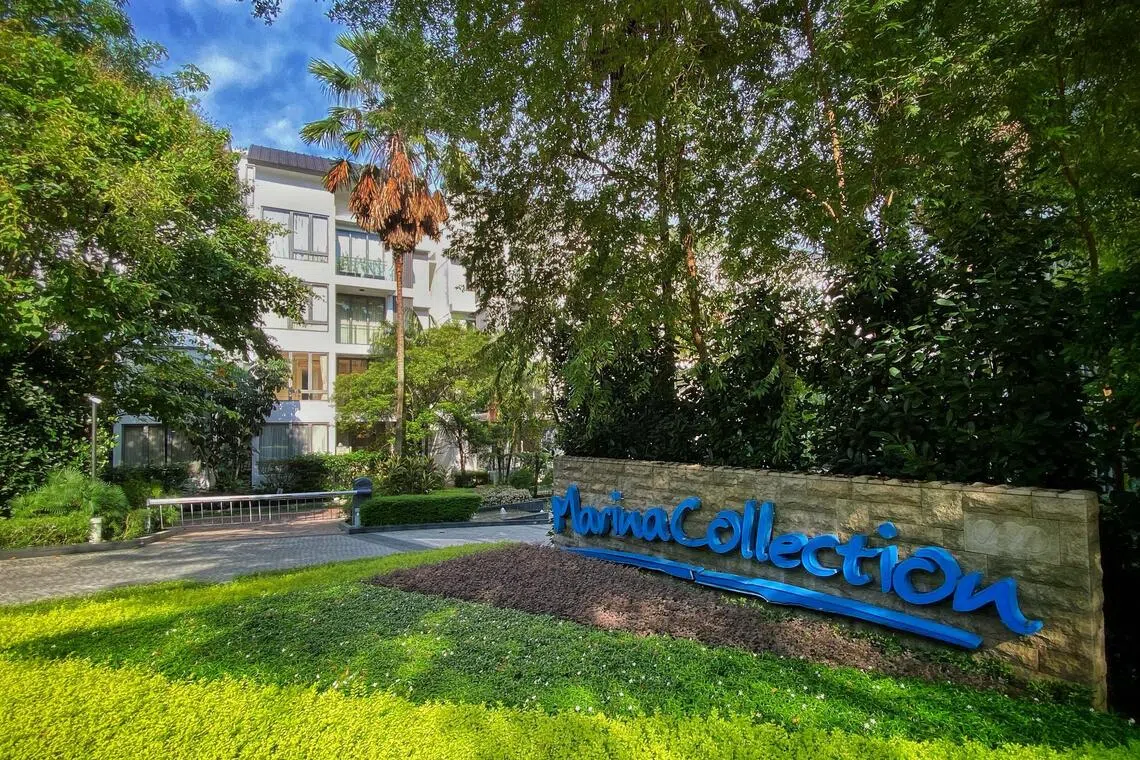
The long-running litigation traces back to housing loans granted between December 2011 and July 2013. During this period, UOB disbursed roughly S$182 million to 38 distinct purchasers acquiring units at Marina Collection, a 124-unit luxury waterfront residential enclave in Sentosa Cove developed by LMC, a unit of Lippo Group.
Market conditions deteriorated rapidly following government property cooling measures introduced in 2009. Sales at the development dropped from 30 units sold between December 2007 and June 2008 down to just nine transactions across the entire 2010 calendar year.
To stimulate movement, LMC offered substantial “furniture rebates” ranging from 22 percent to 34 percent. These incentives effectively offset the cash down payments required from buyers but were never disclosed to UOB. Stated purchase prices submitted to the lender therefore exceeded the actual capital outlays made by purchasers.
At the time, regulatory frameworks enforced by the Monetary Authority of Singapore permitted commercial banks to finance up to 80 percent of a residential property purchase price. The undisclosed rebates pushed UOB’s loan disbursements past this statutory cap. By December 2013, 36 of the 38 buyers had defaulted. By April 1, 2015, every single one of the 38 purchasing parties defaulted on their credit obligations.
Litigation Trajectory and Financial Claims
The High Court initially established LMC’s liability in 2022, finding the developer guilty of conspiring with property agents to mislead UOB into granting inflated mortgages. UOB subsequently sought to recover up to S$92 million in total losses under multiple alternative scenarios.
The primary legal model assumed UOB would have extended zero financing had true valuations been known. The secondary scenario presumed the bank would have issued restricted loans capped strictly by monetary authorities. When the High Court assessed damages in July 2025, it recognized approximately S$53 million in substantive claims before applying the disputed deductions for rental yields and mortgage servicing.
Corporate lending portfolios exposed to complex third-party misrepresentation require constant monitoring and robust internal controls.
As commercial litigation winds through appellate courts, financial institutions face escalating balance sheet pressures that extend far beyond initial provisioning. Recovering principal, funding costs, and investigation expenses demands meticulous legal backing and structured asset tracing.