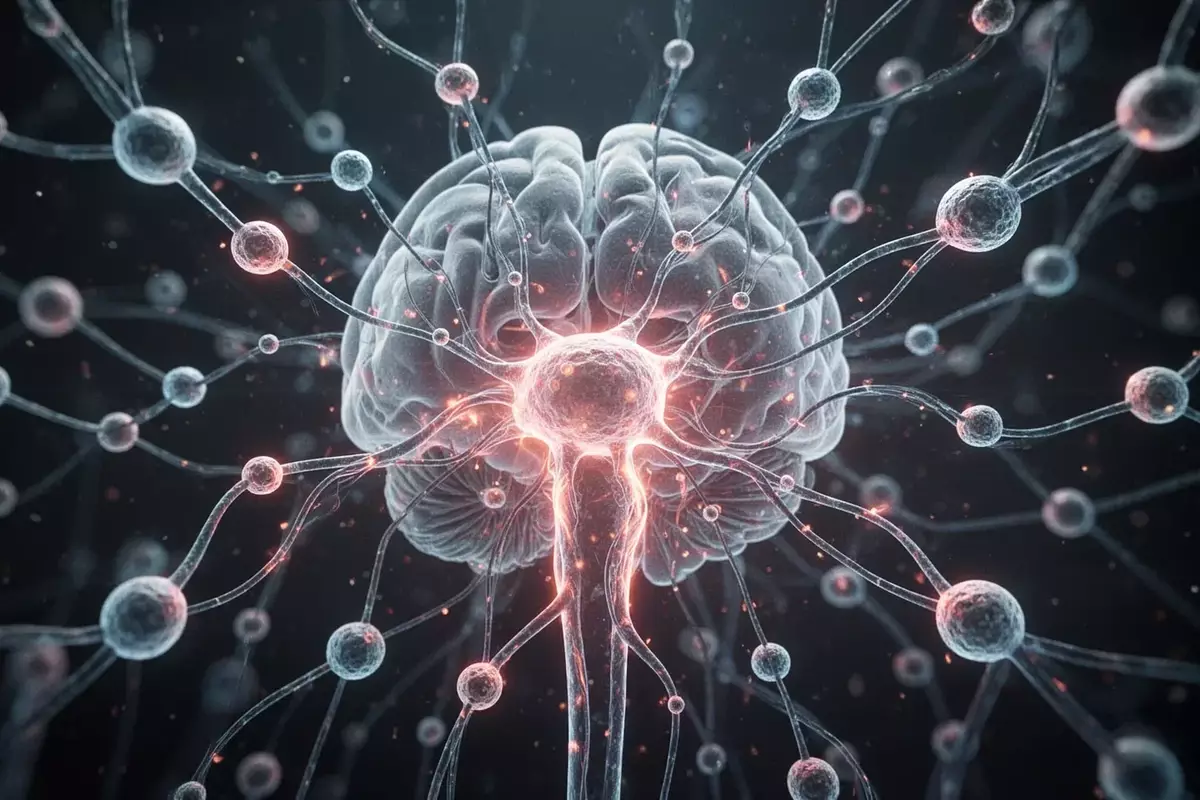
Unlocking Human Longevity: How Stem Cells in the Hypothalamus Control Biological Aging
Recent research identifies hypothalamic stem cells as a primary biological control center for systemic aging in mammals, suggesting that targeted interventions in this brain region could potentially modulate the pace of physiological decline. By analyzing the hypothalamic microenvironment, scientists have observed that the depletion of these stem cells correlates with the onset of age-related morbidity, while their preservation maintains homeostatic balance across peripheral tissues.
Key Clinical Takeaways:
- Hypothalamic stem cells act as a master regulator of the aging process, influencing metabolic and cognitive function throughout the body.
- Age-related loss of these cells triggers a cascade of systemic decline, rather than being merely a symptom of it.
- Experimental models indicate that replenishing or protecting these cellular populations may extend healthspan and mitigate age-associated metabolic dysfunction.
The Hypothalamic Mechanism of Systemic Aging
The hypothalamus, a region critical for endocrine regulation and autonomic nervous system control, serves as the command center for the body’s aging trajectory. According to foundational research published in Nature, the decline of specific neural stem cells (NSCs) within the hypothalamus is not a passive consequence of aging but a driver of it. These cells produce microRNAs that travel through the cerebrospinal fluid to regulate gene expression in distant organs.
The pathogenesis of aging involves a gradual reduction in these stem cell populations, leading to diminished production of these vital signaling molecules. When these stem cells are depleted in murine models, researchers documented accelerated aging, including muscle atrophy, skin thinning, and cognitive impairment. Conversely, the introduction of exogenous stem cells into the hypothalamus of aged mice demonstrated a measurable deceleration in these decline markers.
Clinical Implications and Metabolic Regulation
This discovery shifts the clinical understanding of aging from a generalized wear-and-tear hypothesis to a centralized, regulated biological process. The hypothalamus integrates signals from the periphery—such as circulating hormones and inflammatory markers—to adjust metabolic output. When the stem cell pool in the hypothalamus is compromised, this integration fails, leading to systemic metabolic dysregulation.
For patients managing chronic metabolic syndromes or early-onset cognitive decline, these findings underscore the necessity of comprehensive diagnostic screening. Patients often overlook the role of neuroendocrine health in systemic disease management. It is highly recommended to consult with board-certified endocrinologists to monitor hypothalamic-pituitary axis function and identify early biomarkers of metabolic instability.
Translating Neurobiology to Future Therapeutic Standards
While current research is largely confined to preclinical models, the identification of this hypothalamic “clock” provides a target for future pharmacological and regenerative medicine interventions. The primary challenge lies in the blood-brain barrier and the complexity of targeting specific stem cell niches without disrupting surrounding neural circuitry.
The funding for this line of inquiry has been supported by the National Institutes of Health (NIH), focusing on the intersection of neurobiology and gerontology. As research advances toward human clinical trials, the focus will likely shift to synthetic mimetics of the microRNAs produced by these stem cells. Such therapies would aim to bypass the need for direct neural implantation, instead focusing on systemic delivery mechanisms that can influence the hypothalamus indirectly.
Addressing Clinical Gaps in Aging Research
The transition from bench science to clinical application remains a complex hurdle. Healthcare providers must remain vigilant regarding the current standard of care for age-related conditions, which remains focused on symptomatic management rather than the reversal of underlying cellular senescence. For those seeking to address age-related decline through current evidence-based protocols, connecting with specialized regenerative medicine clinics can provide access to advanced diagnostic testing for inflammatory markers and hormonal health.
Furthermore, the pharmaceutical industry is closely monitoring these developments. As the science moves toward potential Phase I trials, developers are increasingly engaging healthcare compliance attorneys to navigate the regulatory landscape governing neuro-regenerative therapies. Ensuring that future treatments meet the rigorous safety standards of international regulatory bodies is the next critical step in translating this biological insight into a viable clinical reality.
The future of gerontology hinges on our ability to manipulate the central regulators of aging. By targeting the hypothalamus, medicine may shift from managing the symptoms of senescence to altering the biological pace of the human lifespan itself. Continued investment in longitudinal studies and rigorous human trials will be essential to validate these findings and ensure patient safety in the coming decade.
Disclaimer: The information provided in this article is for educational and scientific communication purposes only and does not constitute medical advice. Always consult with a qualified healthcare provider regarding any medical condition, diagnosis, or treatment plan.