University of Pittsburgh Student Cancer-Free After Golf Ball-Sized Brain Tumor Mistaken for Pregnancy
A University of Pittsburgh student is cancer-free after doctors discovered a golf ball-sized brain tumor that was initially mistaken for a pregnancy.
Niko Pitinii, a communications major, began experiencing severe fatigue and rapid weight loss before fainting during a football practice for the Pittsburgh Panthers, WGHN reported. Medical imaging revealed a large mass in his head that was obstructing a brain ventricle and causing hydrocephalus, a buildup of spinal fluid, PMN Sports reported.
“I think they thought it was my heart,” Pitinii said, according to a report from Socast. “Then the results of the CT scan came back, and they’re like, ‘Yeah, you have a big-ass brain tumor in your head.’” A scan shows the tumor in Niko Pitinii’s brain.
Pitinii was transferred to the Cleveland Clinic, where skull base surgeon Dr. Pranay Soni performed surgery to drain the fluid and biopsy the mass. While doctors initially believed the tumor might be benign, bloodwork revealed high levels of beta-hCG, a hormone typically associated with pregnancy, WGHN reported.

Dr. Amy Smith, a pediatric oncologist at the Cleveland Clinic, explained that certain tumors, including germinomas, secrete this hormone. Germinomas are rare and represent approximately 1% of brain cancers, WGHN reported.
What do you mean, cancer?’” Pitinii recalled, according to Socast. “She’s like, ‘Yes, you have cancer.’ I’m like, ‘How do you know, you haven’t even done the biopsy yet?’ They had rerun my bloodwork, and I was pregnant!”
“I think they thought it was my heart,” Pitinii said, according to a report from Socast. There’s no way.”

After his biopsy confirmed the tumor was a germinoma, Pitinii’s care team recommended four rounds of chemotherapy followed by radiation, CBS News and PMN Sports reported.
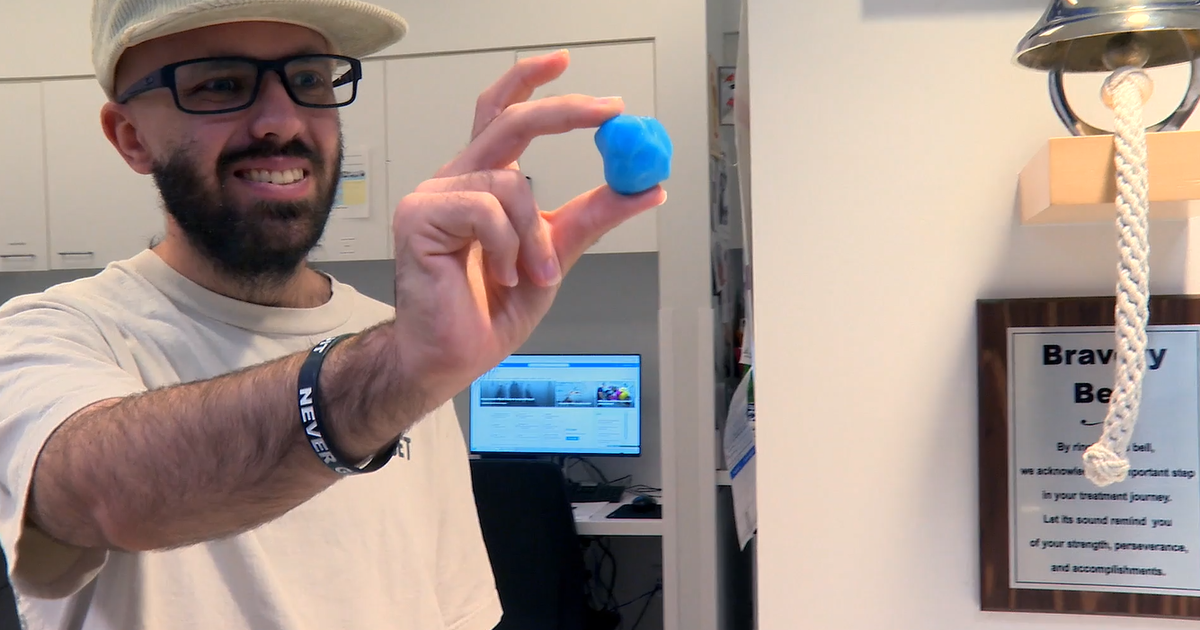
Following the biopsy, Pitinii underwent four rounds of chemotherapy and 24 targeted proton radiation sessions, which concluded on June 2, CBS News reported. He was declared cancer-free following an MRI on July 7 and rang the hospital’s “Bravery Bell” the next day, CBS News reported. His surgery went smoothly, and he was released from the hospital 24 hours later and able to celebrate Christmas with his family.
University of Pittsburgh is classified among “R1: Doctoral Universities – Very high research activity,” a designation reflecting its extensive medical research capabilities, as stated on its own pages. The Pittsburgh campus is situated adjacent to the flagship medical facilities of its closely affiliated University of Pittsburgh Medical Center (UPMC) and its flagship hospital, UPMC Presbyterian, underscoring its integration with advanced healthcare and research, according to its own pages.
Pitinii has since returned to his studies at the University of Pittsburgh. He remains under the care of Dr. Smith and will undergo regular medical check-ins and scans for the next 10 years, CBS News reported. Smith estimated his cancer has only a “7 to 10% chance of recurrence.”
There’s no way.’”