University Hospitals Leads Ohio in Clinical Trial for Fully Implantable Cochlear Implants
Totally Implantable Cochlear Implant Enters Phase 3 Trials
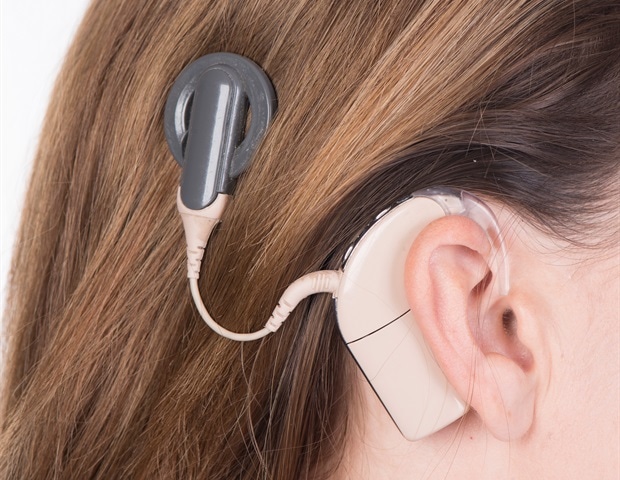
At present, individuals with cochlear implants remove the external hardware during sleep, while showering, and when swimming, leaving them entirely without hearing during those periods.
- University Hospitals in Northeast Ohio serves as the only state site participating in the Phase 3 ELEVATE trial for the Totally Implantable Cochlear Implant (TICI).
- The investigational device places the microphone and battery completely under the skin, eliminating external components worn behind the ear.
- Global recruitment spans 56 adult patients across 11 U.S. sites in the ELEVATE study, alongside 36 adults across five sites in Australia and France in the ENTERPRISE study.
University Hospitals Completes Phase 3 Clinical Trial Enrollment
As reported by News-Medical, University Hospitals introduced the next generation of hearing technology to patients in Northeast Ohio by serving as the state’s sole participant in the Phase 3 clinical trial for the Totally Implantable Cochlear Implant (TICI). Three people were recently fitted with the TICI device at University Hospitals, occupying all of the facility’s designated trial slots. Trial enrollment concluded for 56 participants at 11 national sites, sponsored by Cochlear.
“Participation in studies like this demonstrates UH's commitment to innovation,” said Nicole Maronian, MD, Chair of the Department of Otolaryngology – Head and Neck Surgery, and the Director of the UH Ear Nose and Throat Institute.
MD+DI reported that Cochlear is evaluating fully implantable hearing technology in a worldwide trial program. Recruitment in the global research program finished in the ELEVATE study across 11 U.S. sites with 56 adult patients and in the ENTERPRISE study across five sites with 36 adults in Australia and France.

Engineers Work to Manage Body Noise in TICI Design
Engineers have pursued the TICI concept for decades but faced technical difficulties. One of the biggest obstacles involves managing sounds generated by the body itself, including muscle movement and swallowing, which an implanted microphone can detect.
Jan Janssen, chief technology officer at Cochlear, explained to MD+DI that internal microphone performance and body noise cancellation have been primary focus areas throughout three generations of development.
Investigators Evaluate Hearing Performance and Safety over One Year
Participants in the study are adults with moderate to severe sensorineural hearing loss and poor speech understanding. Investigators will follow them for one year to evaluate hearing performance and safety, per News-Medical. According to MD+DI, an initial assessment of safety and effectiveness is scheduled at the six-month mark, with monitoring extending through 12 months.
A total of 117 patients have participated across Cochlear’s two pivotal studies and three feasibility studies that began in 2005.
Expanding Access to Hearing Restoration
Less than 5 percent of eligible adults currently receive a cochlear implant. Alejandro Rivas, Division Chief of Otology and Neurotology and Director of the Cochlear Implant Program at University Hospitals, stated that concerns about wearing an external device influence the decision for many people who could benefit.
Janssen clarified to MD+DI that fully implantable technology will not replace traditional cochlear implants, which remain an established, effective, long-term treatment for severe to profound hearing loss. Instead, the investigational system offers an alternative option for individuals who value hearing without externally worn components.
Disclaimer: The information provided in this article is for educational and scientific communication purposes only and does not constitute medical advice. Always consult with a qualified healthcare provider regarding any medical condition, diagnosis, or treatment plan.