UNESCO Endorses New Principles for Fair Compensation for News in the Age of AI
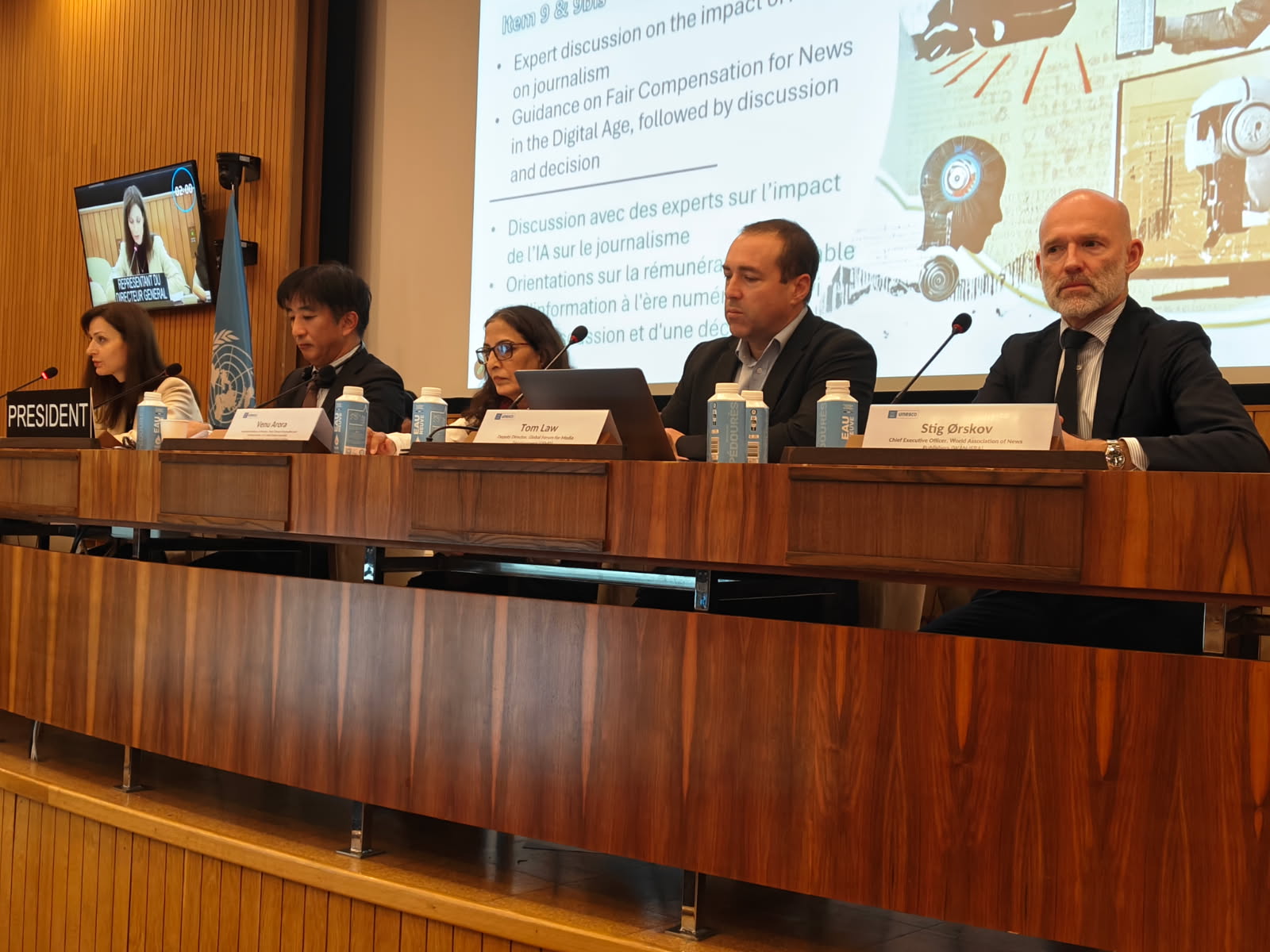
UNESCO member states have endorsed new principles for fair compensation in journalism, establishing a framework to address how artificial intelligence systems and digital platforms utilize news content.
The decision, finalized during the 35th session of the IPDC Intergovernmental Council in Paris on November 19–20, 2026, aims to replace an outdated economic bargain between publishers and technology firms with enforceable standards, according to WAN-IFRA.
- The IPDC Council, representing 38 member states, approved the Guidance on Fair Compensation for News to address digital power imbalances.
- Analysis shows news accounts for 27% of chatbot citations, increasing to 49% for queries regarding recent events, per News – WAN-IFRA.
- The final document is scheduled for release on December 14 at the Internet Governance Forum in Nairobi, Kenya.
Establishing Fair Value for Journalism
The new guidelines emphasize that journalism should be recognized for its economic and public value. The framework demands that technology companies provide transparency regarding their use of news, obtain consent from publishers, and ensure proper attribution, News – WAN-IFRA reported. The guidance also seeks to protect media diversity and editorial independence, particularly for smaller outlets that struggle to negotiate with dominant platforms.
“UNESCO's guidance recognises what publishers have long known: the sustainability of journalism cannot be left to private bargaining alone,” Stig Ørskov, CEO of WAN-IFRA, said.
Addressing Risks to Smaller Outlets
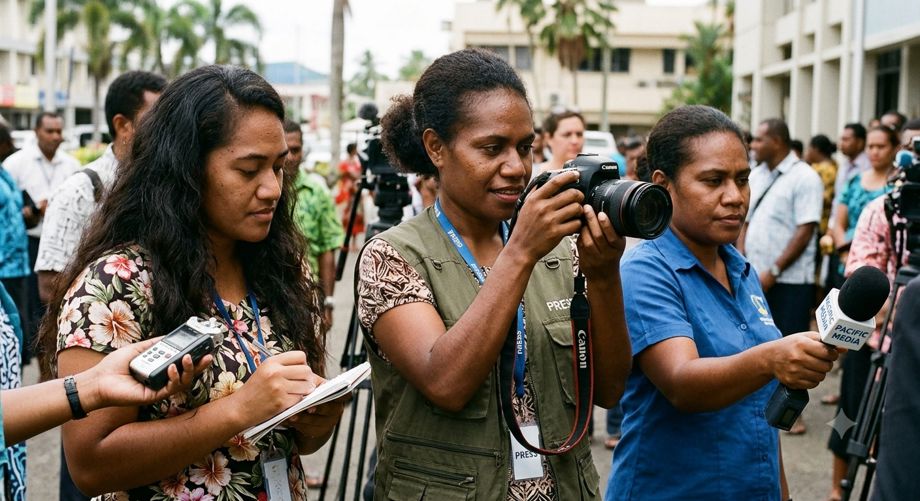
Experts involved in the development of the guidance warned that the current digital information economy threatens the survival of local and minority-language media. Tom Law of the Global Forum for Media Development said that these smaller entities are often utilized by AI systems without consent and are left out of compensation models by default.
The council’s endorsement follows a year of extensive stakeholder consultation, which included 69 survey responses from 43 countries and 19 expert interviews, per News – WAN-IFRA. While platforms like Meta have previously paused terms that would have linked business service access to content reuse, the need for consistent, binding rules remains a central concern for publishers.
GIBS Think Tank brought Global South expertise to guidance
The GIBS Media Leadership Think Tank convened the 2023 Johannesburg conference that adopted the “Big Tech and Journalism: Principles for Fair Compensation,” WAN-IFRA reported. The Think Tank co-led development of the new UNESCO guidance with ALT Advisory under the M20 Secretariat, placing Global South perspectives at the centre of the fair compensation debate.
Extensive stakeholder consultation underpinned the draft, including 69 survey responses from 43 countries, three regional roundtables with over 120 participants, 28 written submissions and 19 expert interviews, WAN-IFRA said. Contributors supplied more than 230 detailed recommendations during the process.
IPDC funds local safety and gender projects
The IPDC supported 46 initiatives across 69 countries in 2024–2025, training more than 3,000 journalists, editors, educators and students.
The IPDC Intergovernmental Council, comprising 38 Member States elected by the UNESCO General Conference for 2023–2027 and 2025–2029 terms, serves as the programme’s policy-making body, approving priorities and ensuring alignment with UNESCO’s mandate while defining areas for international cooperation.
Its Bureau — chaired by Japan’s Ambassador Takehiro Kano with Vice-Chairs from Luxembourg, Latvia, Chile, Indonesia, Namibia, Yemen, and Lebanon and Rapporteur Albana Shala of the Netherlands — meets annually to select and approve projects, allocate funds from the Special Account, and approve the provisional budget, per the 70th Bureau Meeting on June 18, 2026.
The UNESCO-provided Secretariat assembles member-state input, manages Council sessions and Bureau meetings, oversees grassroots project calls, and coordinates Journalism Education initiatives and special allocations on emerging issues such as Media Viability.
Linking International Standards to Local Action
Beyond compensation, the IPDC roadmap focuses on media viability, journalist safety, and professional development. During the session in Paris, the council highlighted that the program allocated nearly $1.5 million for media development in 2026. These funds support local initiatives, such as safety mechanisms for reporters in Nepal and gender equality policies in Sierra Leone.