

Understanding Menopause: Common Physical Changes and Symptoms
The transition into menopause is often mischaracterized as a simple cessation of reproductive capability. In reality, it represents a systemic physiological upheaval. For many middle-aged women, the instinctive response to the weight gain and metabolic shifts associated with this period is a narrow focus on caloric restriction and weight loss. However, treating menopause as a weight-management problem ignores the underlying endocrine collapse that jeopardizes cardiovascular and skeletal integrity.
Key Clinical Takeaways:
- Menopause involves a critical decline in estrogen that triggers systemic risks beyond weight gain, including osteoporosis and coronary artery disease.
- Vasomotor symptoms like facial flushing and night sweats are clinical indicators of hormonal deficiency, with specific combinations (e.g., migraines and flushing) significantly increasing stroke risk.
- Management requires a multidisciplinary approach focusing on bone density, lipid profiles, and cardiovascular health rather than simple weight metrics.
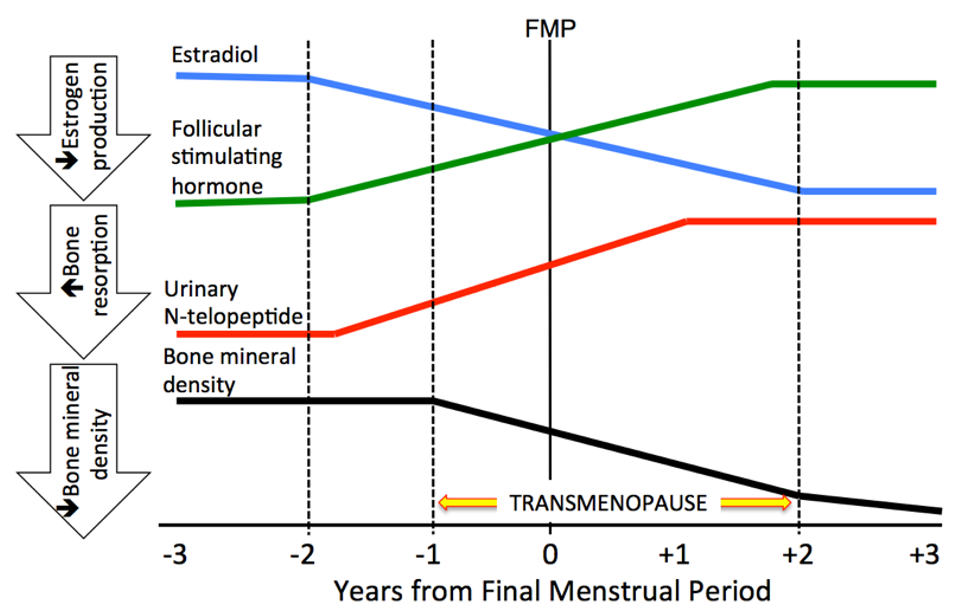
The pathogenesis of menopause begins with the progressive aging of the ovaries, leading to a state where ovulation and the production of female hormones—primarily estrogen—cease. While the average onset occurs around age 50, this timeline is genetically determined and varies significantly across the population. The transition typically begins in the late 40s, a period known as perimenopause, extending until one year after the final menstrual period. This shift is not merely a reproductive milestone but a metabolic pivot that affects nearly every organ system.
As noted by the Asan Medical Center, the average female lifespan now extends beyond 70 years, meaning approximately one-third of a woman’s adult life is spent in a postmenopausal state.
The Fallacy of Weight-Centric Care
When women enter menopause, the sudden drop in estrogen levels often manifests as visceral fat accumulation. This leads many to prioritize weight loss as the primary healthcare goal. While obesity is a risk factor, the morbidity associated with menopause is driven by hormone deficiency, not just adipose tissue. The loss of estrogen precipitates a rapid decline in bone mineral density as calcium is leached from the skeletal system, leading to a marked increase in osteoporosis compared to men. This structural degradation occurs regardless of whether a patient maintains a low body weight.
the endocrine shift disrupts lipid metabolism. The increase in blood cholesterol levels elevates the risk of hypertension and coronary artery disease. For patients observing these metabolic shifts, relying solely on diet and exercise may be insufficient. It’s critical to consult with board-certified endocrinologists to manage the complex interplay between hormone levels, insulin sensitivity, and lipid profiles to prevent long-term cardiovascular events.
Decoding Vasomotor Instability and Neurological Risk
The most immediate clinical manifestations of estrogen deficiency are vasomotor symptoms. These include facial flushing, tachycardia (rapid heart rate), and night sweats. According to the FDA, these symptoms, along with vaginal dryness and bone thinning, are direct results of low hormone levels. These are not merely “inconveniences” but signals of systemic instability.
Of particular concern is the intersection of these symptoms with pre-existing neurological conditions. Clinical evidence suggests that when facial flushing coexists with migraines, the risk of stroke increases by 70%. This highlights the necessity of a comprehensive neurological and vascular screening for menopausal women. Those experiencing persistent vasomotor instability should be triaged to specialized cardiologists or neurologists to assess their stroke probability and implement preventative vascular protocols.
The Clinical Complexity of Hormone Replacement Therapy
To mitigate these risks, hormone replacement therapy (HRT) is often considered. By introducing estrogen or a combination of estrogen and progestogens, clinicians can alleviate sleep disorders, anxiety, and the physical symptoms of menopause. However, the application of HRT is not without contraindications. The risk of side effects requires a highly individualized approach, necessitating a rigorous cost-benefit analysis of the patient’s specific medical history.
The psychological burden of this transition—characterized by depression, anxiety, and sleep disturbances—often overlaps with physical decline. Because the symptoms are so diverse, from decreased libido to loss of skin tension, the standard of care must move beyond a single-specialty approach. Integrated care involving specialized gynecologists is essential to navigate the risks of HRT while maximizing the quality of life during the postmenopausal years.
Navigating the Postmenopausal Trajectory
The shift from perimenopause to a permanent postmenopausal state demands a transition in healthcare priorities. The focus must move from reproductive health to systemic preservation. This includes aggressive monitoring of bone density to preempt osteoporosis and rigorous management of blood pressure and cholesterol to avoid the pitfalls of coronary artery disease.
The objective for the modern patient is not a number on a scale, but the maintenance of vascular and skeletal resilience. As clinical research continues to refine the boundaries of hormone therapy and metabolic management, the integration of diagnostic precision and specialist intervention remains the only viable path to longevity. Ensuring that care is coordinated across endocrinology, cardiology, and gynecology allows women to navigate the final third of their lives with clinical security and physiological stability.
Disclaimer: The information provided in this article is for educational and scientific communication purposes only and does not constitute medical advice. Always consult with a qualified healthcare provider regarding any medical condition, diagnosis, or treatment plan.