
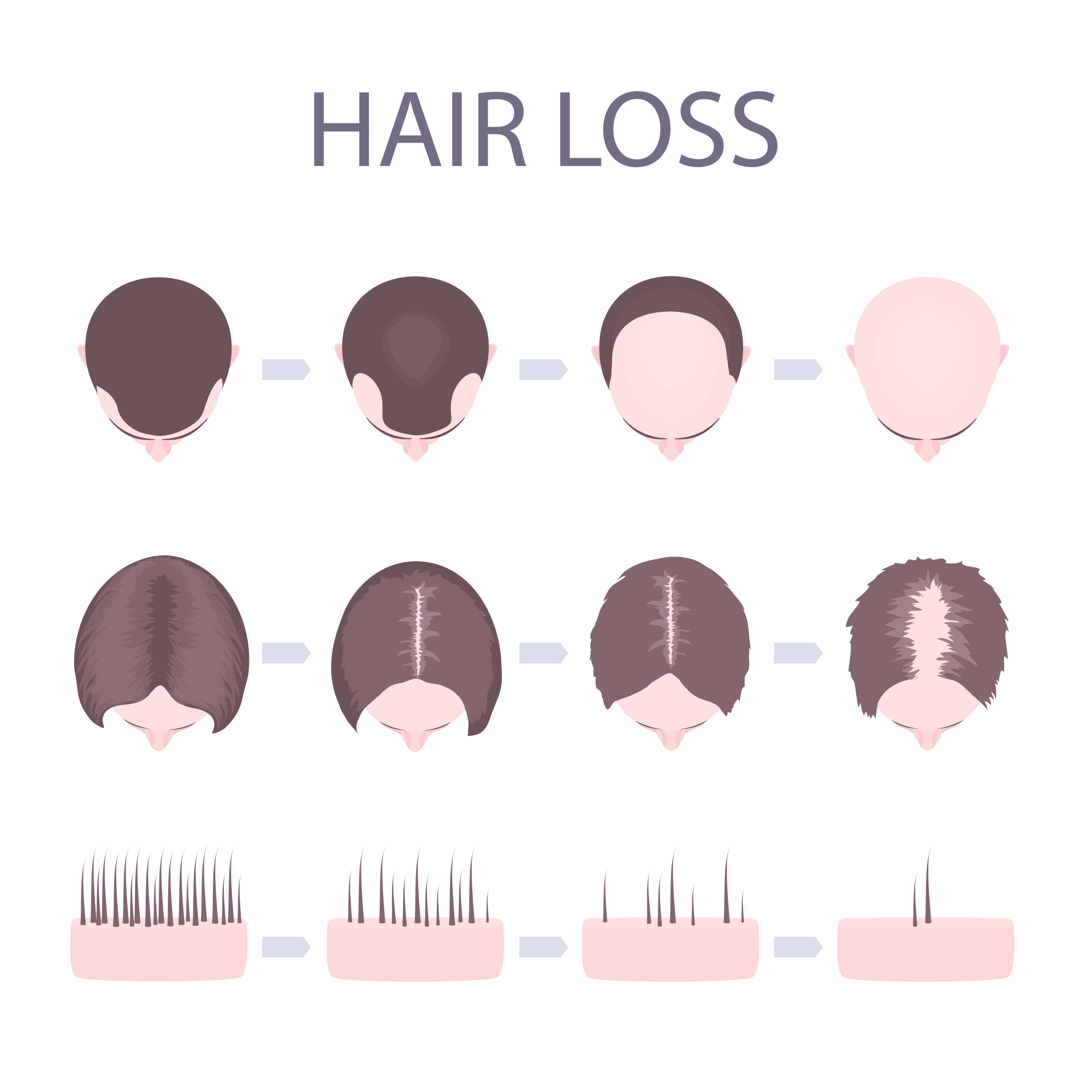
Understanding and Managing Gradual Hair Loss
Androgenetic alopecia is more than a cosmetic grievance; it is a progressive physiological decline of the hair follicle that often leads patients toward the “medical tourism” hubs of Turkey. While the allure of affordable, high-volume clinics is strong, the clinical reality requires a rigorous analysis of surgical efficacy versus long-term follicular viability.
Key Clinical Takeaways:
- Hair transplantation is a redistribution of existing follicles, not a cure for the underlying pathogenesis of hair loss.
- The “Turkey Model” prioritizes volume, but surgical success depends on the graft survival rate and the prevention of “shock loss.”
- Long-term maintenance requires a multimodal approach, combining surgical intervention with FDA-approved pharmacological stabilizers.
The fundamental problem with the current trend of rapid-fire hair transplants is the systemic failure to address the biological driver of hair loss. Most patients seeking treatment in Turkey are battling androgenetic alopecia, a condition characterized by the miniaturization of hair follicles due to sensitivity to dihydrotestosterone (DHT). When a surgeon moves follicles from the occipital region (the back of the head) to the frontal or vertex regions, they are merely relocating the “safe zone” hairs. Without addressing the hormonal environment, the original native hairs surrounding the transplant continue to atrophy, often resulting in an unnatural, “island-like” appearance within a few years.
For those experiencing the early stages of thinning, immediate intervention is critical to preserve the existing follicular density. It is highly recommended to consult with board-certified dermatologists to determine if the hair loss is androgenetic or related to telogen effluvium before committing to invasive surgery.
The Biomechanics of Follicular Unit Extraction (FUE)
Modern transplants primarily utilize Follicular Unit Extraction (FUE), a technique where individual follicular units are harvested using a micro-punch. The clinical success of this procedure is measured by the graft survival rate and the angle of insertion. In high-volume clinics, the risk of “over-harvesting” becomes a significant morbidity factor; if too many grafts are taken from the donor area, the result is a depleted, sparse appearance at the back of the head, permanently compromising the patient’s aesthetic options.

According to a longitudinal analysis published in the PubMed database regarding surgical hair restoration, the primary determinant of long-term satisfaction is not the number of grafts implanted, but the precision of the graft placement to mimic natural growth patterns. This is where the “assembly line” approach of some international clinics often fails. When surgeons prioritize speed over the meticulous layering of different hair shaft diameters, the result is a lack of depth and a “pluggy” appearance.
“The misconception in medical tourism is that a transplant is a one-time fix. In reality, a transplant is a surgical redistribution. If the patient does not maintain the native hair through medical therapy, the transplant will eventually look like an isolated strip of hair on a bald scalp.” — Dr. Alan J. Moore, PhD in Regenerative Medicine.
Clinical Comparison: Surgical Intervention vs. Pharmacological Stabilization
To understand the efficacy of these treatments, we must look at the data through a clinical lens. The following table outlines the standard of care for treating androgenetic alopecia, contrasting the immediate results of surgery with the long-term stability provided by medical management.
| Treatment Modality | Mechanism of Action | Efficacy Timeline | Primary Clinical Risk |
|---|---|---|---|
| FUE Transplantation | Physical relocation of DHT-resistant follicles | 3–12 Months (Growth phase) | Donor area depletion / Graft failure |
| Minoxidil (Topical) | Vasodilation and follicle stimulation | 3–6 Months (Maintenance) | Contact dermatitis / Hypertrichosis |
| Finasteride (Oral) | 5-alpha reductase inhibition (DHT block) | 6–12 Months (Slowing loss) | Hormonal imbalances / Libido changes |
| PRP Therapy | Growth factor concentration via platelets | Variable (Adjunct therapy) | Minimal; primarily localized swelling |
This data underscores a critical gap in the “Turkey experience”: the lack of integrated post-operative care. Many patients return home with thousands of new grafts but no pharmacological plan to protect the remaining native hair. This regulatory gap in international care often leads patients to seek emergency corrective surgery. For those navigating the legal complexities of medical malpractice following an international procedure, retaining healthcare compliance attorneys is essential to ensure patient rights and liability are addressed across borders.
The Role of Funding and Research Transparency
It is imperative to note that much of the marketing data supporting “miracle” hair restoration techniques is funded by the clinics themselves, creating a significant conflict of interest. In contrast, gold-standard research—such as the double-blind placebo-controlled trials conducted on 5-alpha reductase inhibitors—is typically funded by independent pharmaceutical research grants or government health bodies like the National Institutes of Health (NIH). These studies consistently show that while surgery provides the most visible “instant” result, pharmacological intervention is the only way to halt the actual pathogenesis of the disease.
The shift toward “robotic” FUE is another area of intense study. While automation promises consistency, the lack of human tactile feedback during the extraction process can lead to higher rates of follicular transection (cutting the hair root), which reduces the overall graft viability. The World Health Organization (WHO) guidelines on surgical safety emphasize that technology should augment, not replace, the clinical judgment of a trained surgeon.
Triage and Long-term Prognosis
The trajectory of hair restoration is moving toward regenerative medicine—specifically, the use of stem cell therapy to “wake up” dormant follicles rather than moving them. Until these therapies move from Phase II to Phase III clinical trials and receive FDA or EMA approval, the combined approach of surgery and medication remains the standard of care.
Patients must realize that the decision to undergo a transplant should be the final step in a comprehensive treatment plan, not the first. Before traveling abroad, it is vital to undergo a scalp biopsy and a trichogram to accurately assess the stage of alopecia. For an accurate diagnostic baseline, patients should visit certified diagnostic centers to ensure their hair loss isn’t a symptom of an underlying autoimmune disorder or nutritional deficiency.
The future of trichology lies in personalization. Whether you are considering an international clinic or a local specialist, the goal must be the preservation of the biological unit. By prioritizing scientific evidence over marketing promises, patients can avoid the morbidity of botched procedures and achieve a sustainable, natural result.
Disclaimer: The information provided in this article is for educational and scientific communication purposes only and does not constitute medical advice. Always consult with a qualified healthcare provider regarding any medical condition, diagnosis, or treatment plan.