
Understanding a Positive High-Risk HPV Test Result
A positive HPV test often triggers immediate anxiety, yet the clinical reality is far more nuanced than a simple binary result. Understanding the distinction between high-risk viral genotypes and actual cellular malignancy is the critical bridge between a frightening lab report and a managed healthcare plan.
Key Clinical Takeaways:
- A positive result for a “high-risk” HPV type indicates a predisposition to cellular changes, not a diagnosis of cancer.
- Primary HPV screening is now the gold standard, replacing or augmenting traditional cytology (Pap smears) to increase sensitivity.
- Management depends on the specific viral strain and the presence of CIN (Cervical Intraepithelial Neoplasia).
The central clinical gap in HPV screening is the “information void” that occurs between a positive test and a diagnostic biopsy. When a patient tests positive for a single high-risk type—such as HPV 16 or 18—the medical challenge is not the presence of the virus itself, but the probability of its persistence. Most HPV infections are transient and cleared by the innate immune system; however, persistent infection can lead to the integration of viral DNA into the host genome, triggering the pathogenesis of cervical, anal, or oropharyngeal cancers.
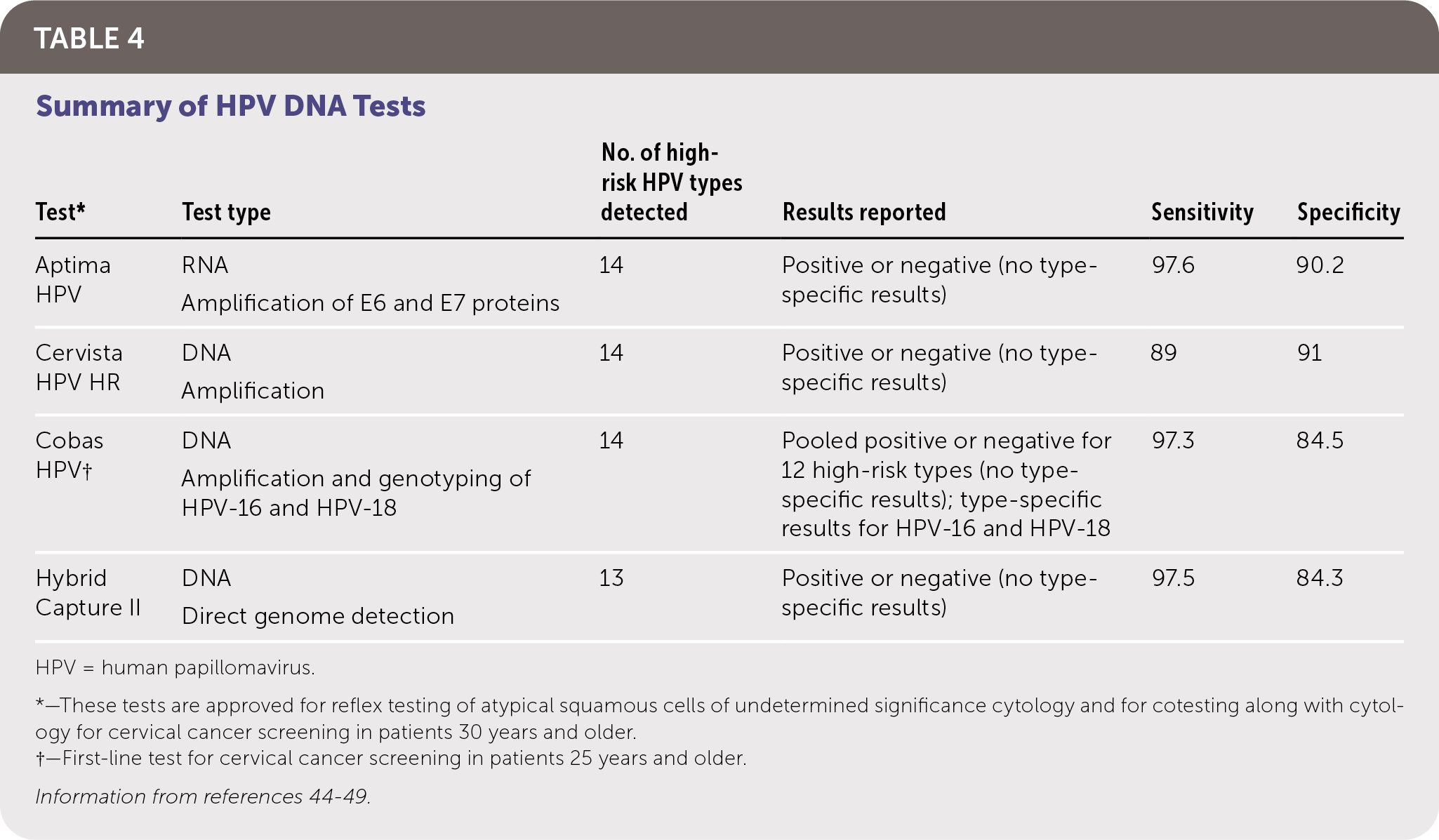
Current guidelines from the World Health Organization (WHO) emphasize a shift toward primary HPV DNA testing. This approach identifies the presence of the virus before cellular abnormalities are visible under a microscope, allowing for earlier intervention. For women who find themselves in this diagnostic limbo, the priority is navigating the triage process toward specialized care. It is essential to coordinate with board-certified gynecologists who specialize in colposcopy to determine if the viral load has caused actual dysplasia.
The Epidemiological Burden and Viral Pathogenesis
Human Papillomavirus (HPV) is the primary etiological agent in nearly all cases of cervical cancer. The virus operates by producing oncoproteins, specifically E6 and E7, which inhibit the host’s tumor suppressor proteins p53 and pRb. This molecular sabotage prevents apoptosis (programmed cell death) and allows cells with DNA damage to proliferate unchecked. According to longitudinal data published in PubMed, high-risk types like HPV 16 are responsible for approximately 50% of all cervical cancer cases globally.
“The shift from cytology to primary HPV screening represents a paradigm shift in preventive oncology. We are no longer looking for the damage already done; we are identifying the driver of the damage before the morbidity begins.” — Dr. Elena Rossi, PhD in Viral Oncology.
The funding for the massive screening shifts seen in the last decade has been largely driven by public health initiatives and grants from the National Cancer Institute (NCI), aiming to reduce the global morbidity associated with preventable cervical malignancies. This institutional push has standardized the “risk-stratified” approach, where patients are categorized not just by a positive/negative result, but by the specific genotype and the patient’s age and medical history.
Navigating the Diagnostic Triage: From Screening to Treatment
Once a high-risk HPV type is identified, the clinical pathway moves from screening to diagnostic surveillance. This often involves a colposcopy—a procedure where a magnifying lens is used to examine the cervix—and potential biopsies of suspicious lesions. The goal is to identify the grade of Cervical Intraepithelial Neoplasia (CIN). CIN 1 is often monitored, even as CIN 2 and 3 may require surgical intervention, such as a Loop Electrosurgical Excision Procedure (LEEP).
For healthcare systems and clinics, the integration of these diagnostic steps requires rigorous adherence to standard of care protocols to avoid over-treatment of low-grade lesions, which can lead to cervical insufficiency in future pregnancies. Medical facilities optimizing their screening workflows often engage healthcare compliance consultants to ensure that patient notification and follow-up protocols meet the latest regulatory mandates and avoid clinical negligence.
“Over-treating low-grade HPV lesions is a significant clinical risk. The objective must always be the balance between vigilance and the preservation of cervical integrity.” — Dr. Marcus Thorne, Senior Epidemiologist.
The Role of Vaccination and Secondary Prevention
The introduction of quadrivalent and nonavalent vaccines has fundamentally altered the epidemiological landscape. These vaccines target the most oncogenic types, effectively preventing the initial infection. However, for those already positive for a high-risk type, the vaccine does not “cure” the existing infection but provides protection against other high-risk strains, reducing the likelihood of coinfection and synergistic viral effects.
The efficacy of these interventions is tracked through rigorous, multi-phase clinical research. As outlined by the clinical trial framework, the transition from Phase III (efficacy and safety in large populations) to Phase IV (post-marketing surveillance) has confirmed that widespread vaccination significantly lowers the incidence of high-grade CIN. This data underscores the necessity of a dual-pronged approach: vaccination for prevention and high-sensitivity DNA testing for early detection.
Patients who are managing persistent HPV infections or those who have undergone surgical interventions for dysplasia should seek integrated care. This includes not only surgical follow-ups but also wellness support to bolster the immune system’s ability to clear the virus. Consulting with accredited diagnostic centers ensures that the testing technology used—whether it be hybrid capture or PCR-based assays—is calibrated to the highest sensitivity standards.
The trajectory of HPV management is moving toward “precision screening,” where AI-driven algorithms may soon predict which high-risk infections are likely to progress to malignancy and which will spontaneously resolve. Until that precision is universal, the gold standard remains a combination of regular screening, expert colposcopic evaluation, and a disciplined adherence to evidence-based follow-up. For those navigating a positive result, the path forward is not one of panic, but of proactive, specialist-led surveillance. Finding a vetted provider through our comprehensive directory is the first step in transforming a clinical risk into a managed health outcome.
Disclaimer: The information provided in this article is for educational and scientific communication purposes only and does not constitute medical advice. Always consult with a qualified healthcare provider regarding any medical condition, diagnosis, or treatment plan.