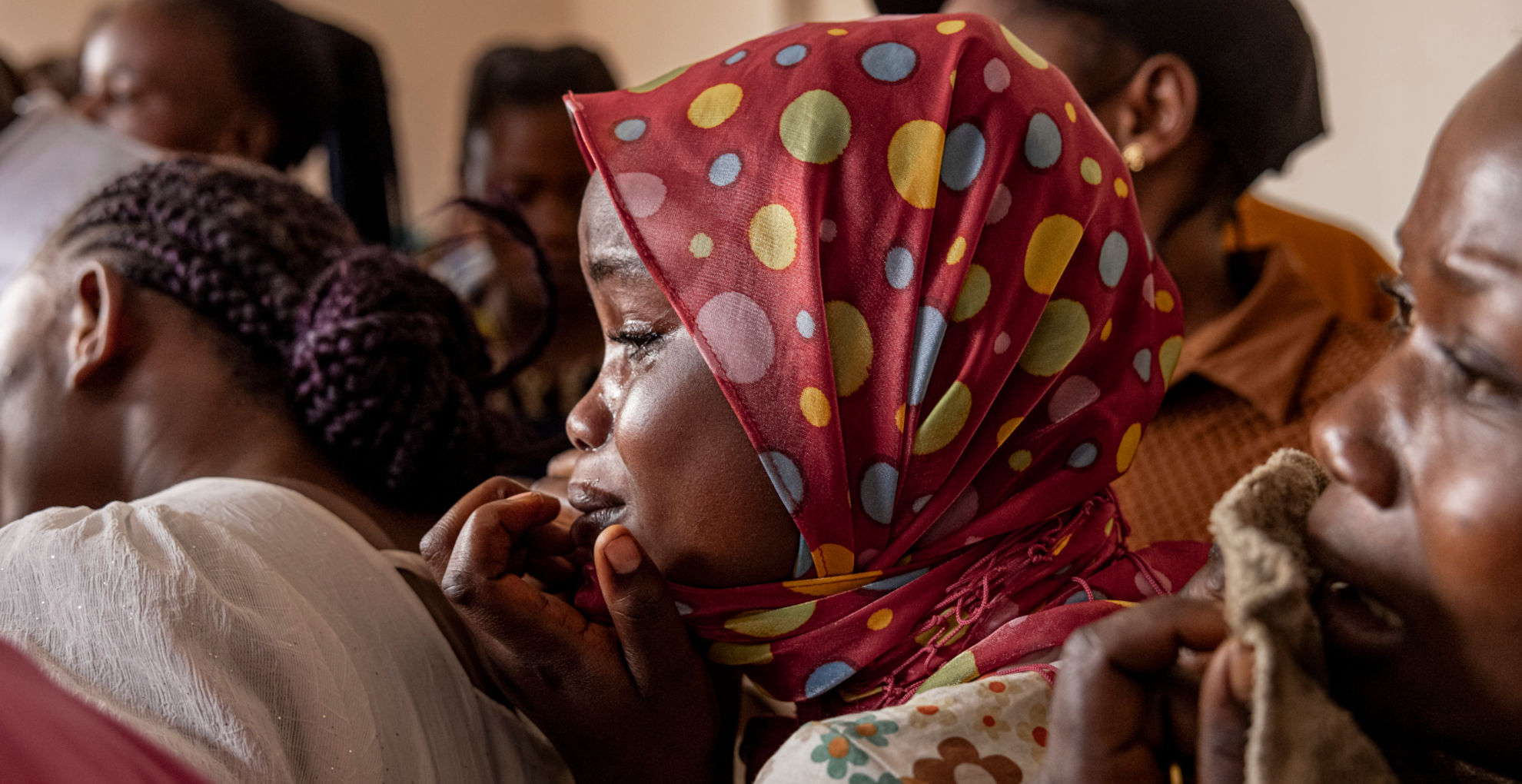
Undark Magazine Reports WHO Data on Ebola Impact on DRC Pregnant Women
The Ebola epidemic in the Democratic Republic of the Congo is the fastest-growing in history, with nearly 11,000 cases and 5,300 deaths reported by Nov. 7.
As the virus continues to spread, researchers are increasingly focused on the disproportionate impact the disease has on pregnant women, Undark Magazine reported.
Data from the World Health Organization indicates that females account for 60 percent of patients in the current outbreak, most of whom are of reproductive age. Pregnant women often play a central role in viral transmission, as they frequently care for young children and expose medical teams to infectious fluids during labor.
Biological Vulnerability in Pregnancy
The heightened severity of Ebola during pregnancy may be linked to evolutionary biology. According to Undark Magazine, the placenta allows for a certain tolerance of viral invasion, a trait inherited from ancient retroviral genes. Because the placenta requires a dampened immune response to thrive, it can become a site where viruses like Ebola replicate to high levels.
Natural killer cells, which respond early to viral threats, also help implant the placenta. Genetic variants of proteins that coat these cells—known as KIRs—can influence both survival rates during an Ebola infection and the risk of preeclampsia.
| Outbreak Period | Total Deaths | Notes |
|---|---|---|
| 1976 | 90% of pregnant patients | First documented outbreak |
| 2014 | 11,000+ | Significant expansion in scale |
| 2018 | 2,000+ | Followed the 2014 epidemic |
| 2026 (as of Nov. 7) | 5,300 | Fastest-growing epidemic on record |
Clinical Trials and Future Research
Historically, pregnant women were excluded from Ebola treatment trials until 2019. This approach has begun to shift, and in July, scientists launched a clinical trial for two new drugs to treat the Bundibugyo virus that explicitly includes pregnant participants from the start.
Experts say knowledge gaps remain about how the virus interacts with pregnancy. Researchers urge systematic testing, consistent tracking of patient pregnancy status, and biological sample collection to understand immune responses.
"The stories of evolution, ancient and ongoing, written into our bodies, tell us that we ignore pregnancy in Ebola at our peril," said Elizabeth Brown, a researcher with a Ph.D. in human evolutionary biology who told Undark Magazine that systemic data collection is essential for improving care.