Uncovering Laos’ Hidden War, Underrated Cuisine & Chinese Influence
Laos is undergoing a rapid economic and cultural transformation as it balances increased Chinese investment in infrastructure with the lingering, hazardous legacy of the Vietnam War. This landlocked nation, once isolated, now sits at a critical junction of regional development, forcing a complex navigation between historical preservation and debt-fueled modernization.
The Infrastructure Pivot: China’s Role in Laos
The landscape of Laos has shifted physically and economically due to the $6 billion China-Laos Railway, which commenced operations in December 2021. This project, a cornerstone of the Belt and Road Initiative, has effectively linked the capital, Vientiane, to the Chinese border at Boten. According to the World Bank’s 2024 economic updates, the railway has significantly reduced transit times, yet it has also increased the nation’s external debt burden, which remains a primary concern for international observers.


The influx of Chinese capital has spurred a construction boom, but it has also created a distinct bifurcated economy. While major transit hubs thrive, rural communities often find themselves sidelined from the wealth generated by these corridors. For companies operating in this region, the regulatory environment is shifting rapidly. Businesses looking to enter the market are increasingly relying on specialized international trade attorneys to navigate the nuances of foreign investment laws and land-use rights that fluctuate as these large-scale projects evolve.
“The railway is not just steel and concrete; it is a fundamental reconfiguration of the Laotian state’s relationship with its neighbors. The challenge now is ensuring that the local population gains more than just a transit route,” says Dr. Arisara Thongkratok, a regional development researcher at the Mekong Institute.
The Unexploded Legacy: A Persistent Economic Drag
Beyond the modern development, Laos remains the most heavily bombed country per capita in history. Between 1964 and 1973, the United States dropped more than two million tons of ordnance on the country during a “secret war.” According to the UXO Lao national program, significant portions of the country’s arable land remain contaminated with unexploded ordnance (UXO).
This reality forces an ongoing, expensive remediation process that stunts agricultural growth and infrastructure expansion. The cost of clearing land is a massive barrier to entry for developers and farmers alike. For stakeholders concerned with property development, securing certified land survey and safety inspectors is not merely a bureaucratic requirement—it is a life-saving necessity. These professionals ensure that construction sites are free from remnants of the conflict, mitigating the significant liability risks associated with developing in historically impacted zones.
Cultural Preservation at the Crossroads
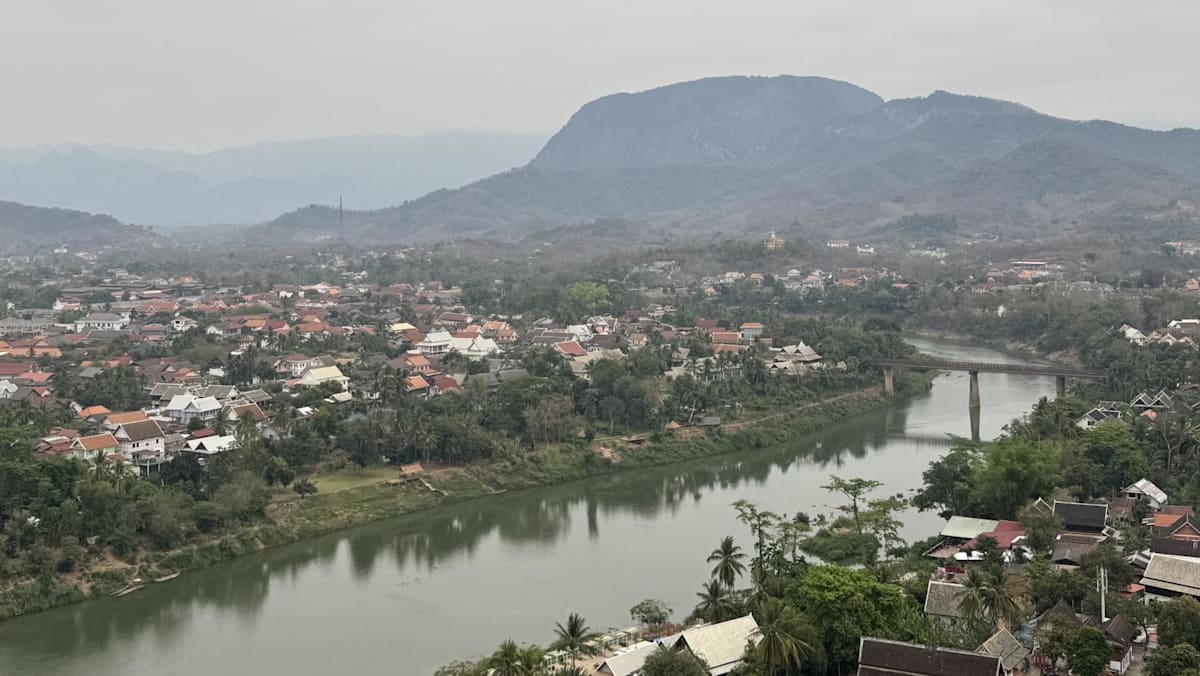
As Vientiane and Luang Prabang modernize, the tension between traditional heritage and urban expansion is palpable. The culinary scene, often cited as one of Southeast Asia’s most underrated, reflects this blend; traditional sticky rice and herb-heavy stews are increasingly served alongside modern, fusion-style dishes catering to the growing influx of international tourists and foreign workers.
However, preserving the authentic character of these cities requires more than just sentiment. It requires active management of heritage sites and urban planning that respects historical zoning. Organizations and municipal entities tasked with managing this transition are currently prioritizing the integration of sustainable tourism models. For those investing in the hospitality or real estate sectors, consulting with urban planning and historic preservation firms is essential to ensure that new developments do not compromise the cultural capital that draws visitors to the region in the first place.
Economic Indicators and Regional Stability
The following table outlines the key pressures currently shaping the Laotian economy as of June 2026:

| Factor | Primary Impact | Risk Level |
|---|---|---|
| External Debt | Fiscal constraints on public services | High |
| Railway Operations | Improved trade, increased regional dependency | Moderate |
| UXO Contamination | Limited land use for agriculture/housing | High |
| Tourism Growth | Foreign currency influx, infrastructure strain | Low |
The government of Laos is actively seeking to diversify its economic base to avoid over-reliance on any single foreign partner. According to U.S. Department of State investment climate reporting, the country has made incremental progress in improving its business registry, though transparency regarding public procurement remains a persistent hurdle for foreign investors.
Future Outlook: Navigating the Intersection
The path forward for Laos is defined by its ability to leverage its position as a “land-linked” rather than “land-locked” nation. As the country continues to integrate into the ASEAN economic framework, the demand for sophisticated, transparent, and ethically-driven business practices will only grow. The interplay between the infrastructure of the future and the scars of the past will dictate the pace of this development for the next decade.
For those looking to engage with this emerging market, the complexity of the landscape demands a cautious, well-researched approach. Whether you are a developer, an investor, or a policy researcher, the foundation of success in Laos lies in identifying the right partners who understand the local terrain—from the physical hazards of the soil to the complex legal framework of the capital. Engaging with a vetted global business advisory firm can provide the clarity needed to mitigate risks and capitalize on the genuine potential of this Southeast Asian crossroads.
The story of Laos is not one of simple transition, but of a nation reclaiming its agency in a rapidly shifting geopolitical environment. Success will be determined by those who can look past the surface-level narratives and address the foundational realities of the country’s unique, challenging, and historically rich landscape.