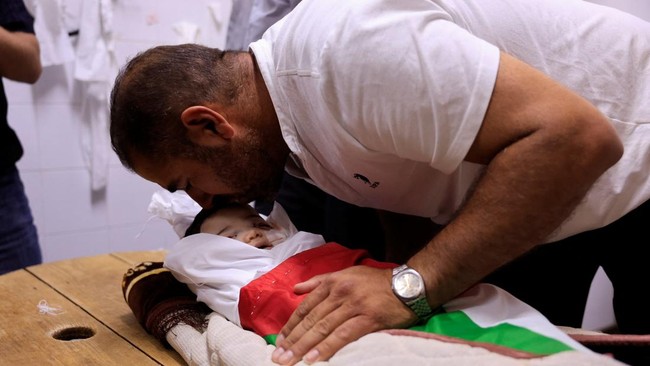
UN Warns of Israel’s Genocide in Gaza as Over 20,000 Palestinian Children Killed
As of July 1, 2026, the United Nations Commission of Inquiry and advocacy groups including B’Tselem have documented fatalities among Palestinian children in Gaza and the West Bank. These reports allege a systematic pattern of civilian targeting, raising critical questions regarding international humanitarian law, regional stability, and the legal exposure of multinational entities operating within the conflict zone.
The Escalation of Casualty Statistics
The scale of child mortality in the Palestinian territories has reached levels in the region’s modern history. According to data released by the United Nations, more than 20,000 Palestinian children have been killed. This figure is corroborated by findings from the UN Commission of Inquiry, which has formally accused Israeli forces of pursuing a policy of genocide and intentionally targeting minors in Gaza.
The violence is not contained to the Gaza Strip. In the West Bank, human rights organization B’Tselem reported that 241 Palestinian children were killed, the highest such toll since 1967. These figures represent a stark departure from previous decades of territorial friction, signaling a total collapse of the protection mechanisms historically afforded to non-combatants under the Geneva Conventions.
Macro-Economic Consequences of Prolonged Conflict
The humanitarian crisis carries profound implications for the global macro-economic landscape. Investors and multinational firms are increasingly viewing the Levant as a high-risk jurisdiction, affecting Foreign Direct Investment (FDI) and regional trade corridors. The volatility in the Eastern Mediterranean has disrupted supply chains and forced a re-evaluation of energy infrastructure investments.
For corporations maintaining a presence in the region, the legal and reputational risks are acute. As international scrutiny intensifies, firms are finding that standard compliance protocols are no longer sufficient to mitigate the fallout from accusations of complicity in international law violations. Corporations are increasingly turning to specialized international risk consultants to conduct enhanced due diligence and audit their supply chains for potential links to military operations or sanctioned entities.
The Legal Framework and Institutional Response
The allegations leveled by the UN Commission of Inquiry place significant pressure on international diplomatic bodies to enforce compliance with the Rome Statute. Legal experts note that the accumulation of civilian death tolls creates a potential pathway for litigation in international tribunals, which can have long-term impacts on state-level trade agreements and arms procurement contracts.

The situation creates a complex environment for global trade. Logistics and shipping firms must navigate an environment where major ports and maritime routes are subject to sudden shifts in insurance premiums and security protocols. To manage these logistical bottlenecks, many firms are engaging maritime and international trade law specialists to restructure their operations and ensure adherence to rapidly changing sanctions regimes.
Shifting Alliances and Regional Security
The intensity of the conflict has fundamentally altered the diplomatic posture of regional stakeholders. Historically, regional security architectures were predicated on a degree of managed friction; however, the current data suggests a transition toward total kinetic engagement. This shift has forced neighboring states to increase their own defense spending, diverting capital from domestic development projects to military procurement.
The economic ripple effects are felt in the insurance and reinsurance markets, where the risk profiles for infrastructure projects in the Middle East have been drastically revised. Firms attempting to maintain operations in the region are now prioritizing the retention of geopolitical strategic advisors to forecast the next phase of the conflict and protect their physical and digital assets from the consequences of regional instability.
The Path Forward for Global Entities
As the international community grapples with the scale of the crisis, the burden of accountability remains a central point of contention. The divergence between official state narratives and the documented findings of international monitors suggests that the volatility will persist for the foreseeable future.
For organizations operating at the intersection of global trade and international law, the current environment demands an unprecedented level of transparency and strategic foresight. Navigating this landscape requires more than just local expertise; it requires a comprehensive understanding of the shifting global order. Entities looking to minimize their exposure during this period of extreme geopolitical flux must ensure their advisory teams are fully equipped to handle the complexities of international humanitarian law and its subsequent impact on global market access.