UN Security Council Holds Emergency Session on Palestine Situation
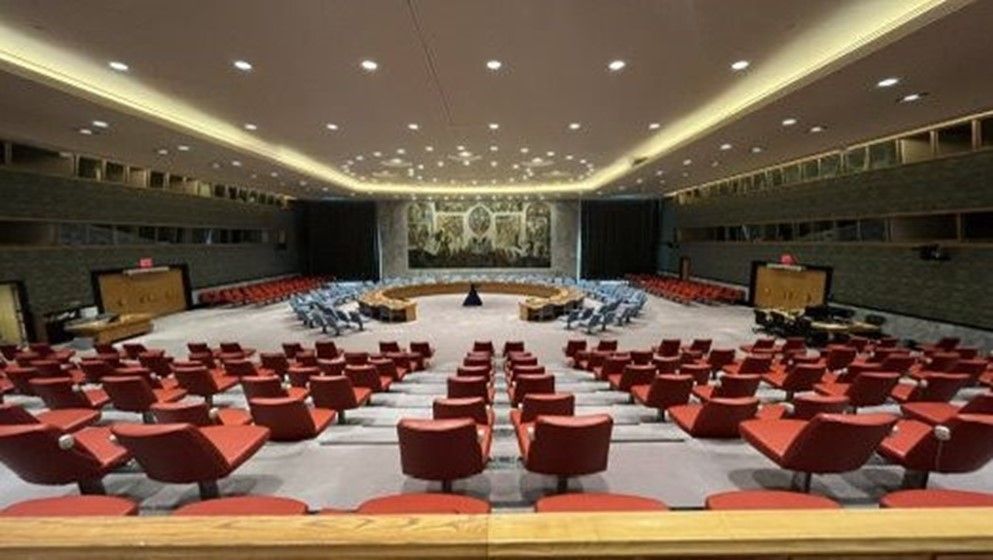
The United Nations Security Council convened for an emergency closed-door session to deliberate on the escalating situation in the Palestinian territories. The meeting, held at the request of concerned member states, focused on recent developments regarding Israeli actions in the region.
The discussions were prompted by formal communications addressed to the UN Secretary-General and the President of the Security Council. Riyad Mansour, the Permanent Observer of the State of Palestine to the United Nations, submitted a letter outlining specific concerns regarding measures taken by Israel to consolidate its presence and administrative control in the occupied territories, which the Palestinian delegation characterized as steps toward formal annexation.
During the closed consultations, council members reviewed the implications of these developments for the long-term viability of a two-state solution and the broader security climate in the Middle East. While the session was held behind closed doors, it underscored the ongoing diplomatic pressure on the Security Council to address the status of the West Bank and the legality of unilateral actions taken in the territory.
The session took place against a backdrop of heightened regional volatility and persistent calls from the international community for a cessation of unilateral measures that could alter the status of the occupied lands. The deliberations reflect the council’s ongoing attempt to manage the diplomatic fallout from shifting policies on the ground, even as internal disagreements among the permanent members continue to complicate the adoption of unified, binding measures.
No formal resolution was issued immediately following the consultation, leaving the council in a state of continued monitoring. The diplomatic process remains focused on the next scheduled briefings from the UN Secretariat, which are expected to provide further assessments on the impact of these administrative and territorial changes on the ground.