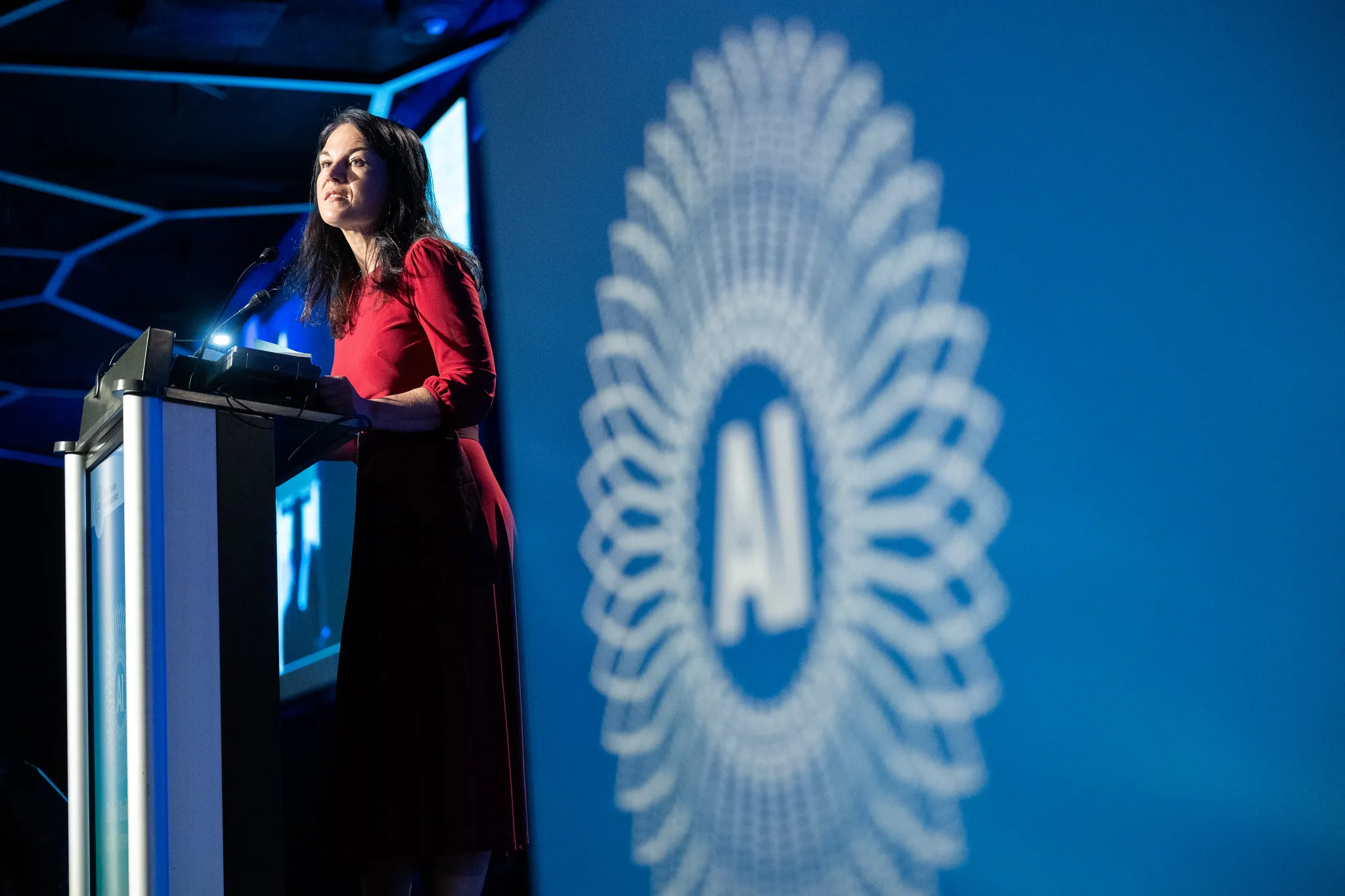
UN Global Dialogue on AI Governance concludes first cycle
The United Nations Global Dialogue on AI Governance concluded its first cycle on September 8, 2026, releasing an 18-page summary note that establishes a universal political process for international AI governance. Launched in September 2025 with cross-continental consultations, the member state-led initiative test-drove a multilateral framework in Geneva this past July to address the lack of consensus among global governments and technology firms regarding risks, safeguards, and who should set them.
Establishing the Value of a Universal UN Forum
The core tension of any universal process is balancing inclusive legitimacy with substantive regulatory convergence. Co-Chairs H.E. Egriselda López of El Salvador and H.E. Rein Tammsaar of Estonia oversaw months of dialogue leading up to the Geneva sessions, ultimately compiling the summary note to chart a course for the Second Dialogue scheduled for New York on May 3-4, 2027.
The summary note directly addresses the friction of global compliance, citing the co-chairs’ assessment that no single government, company, or institution can govern artificial intelligence alone. While various international bodies host parallel discussions—including the G7 Hiroshima AI Process, the Organisation for Economic Co-operation and Development, and successive high-level AI summits in the United Kingdom, South Korea, France, and India—the United Nations maintains a distinct comparative advantage. It offers formal equality among nations paired with public stakeholder participation from academia, civil society, and industry.
That universality, however, risks stalling progress at the lowest common denominator unless member states use the inter-sessional period to forge concrete alignments.
Translating Political Visibility into Child Safety Actions
Moving from high-level visibility to tangible cooperation proved successful regarding the protection of children from AI-related harms. Consultations in the lead-up to the Geneva meeting revealed a broad baseline of member state willingness to engage on child safety issues.
This convergence materialized during the July session with the launch of the Coalition for Children’s Rights and Protection in the Age of Artificial Intelligence, uniting 17 countries and various United Nations entities. United Nations Secretary-General António Guterres followed the coalition’s formation by announcing a formal child safety pledge.

This trajectory illustrates how the Global Dialogue can function as an incubator for operational partnerships. Issues gaining political traction through the universal platform can spin off into dedicated coalitions of interested states and stakeholders, bypassing procedural gridlock to implement targeted safeguards.
The Road to the Second Dialogue in New York
Attention now shifts to the inter-sessional period leading up to the May 2027 sessions in New York. The incoming co-chairs face the operational challenge of converting the broad participation documented in the inaugural summary note into concrete policy frameworks.
Beyond child protection, additional thematic areas like multilingualism offer avenues for targeted cooperation. The foundational cycle proved that the universal process does not need to manufacture every regulatory outcome directly. Instead, it can surface shared priorities, provide political momentum, and clear structural pathways for willing nations and stakeholders to build enforcement mechanisms, manage digital risks, and secure ethical digital environments.
Disclaimer: The views and cultural analyses presented in this article are for informational and entertainment purposes only. Information regarding legal disputes or financial data is based on available public records.