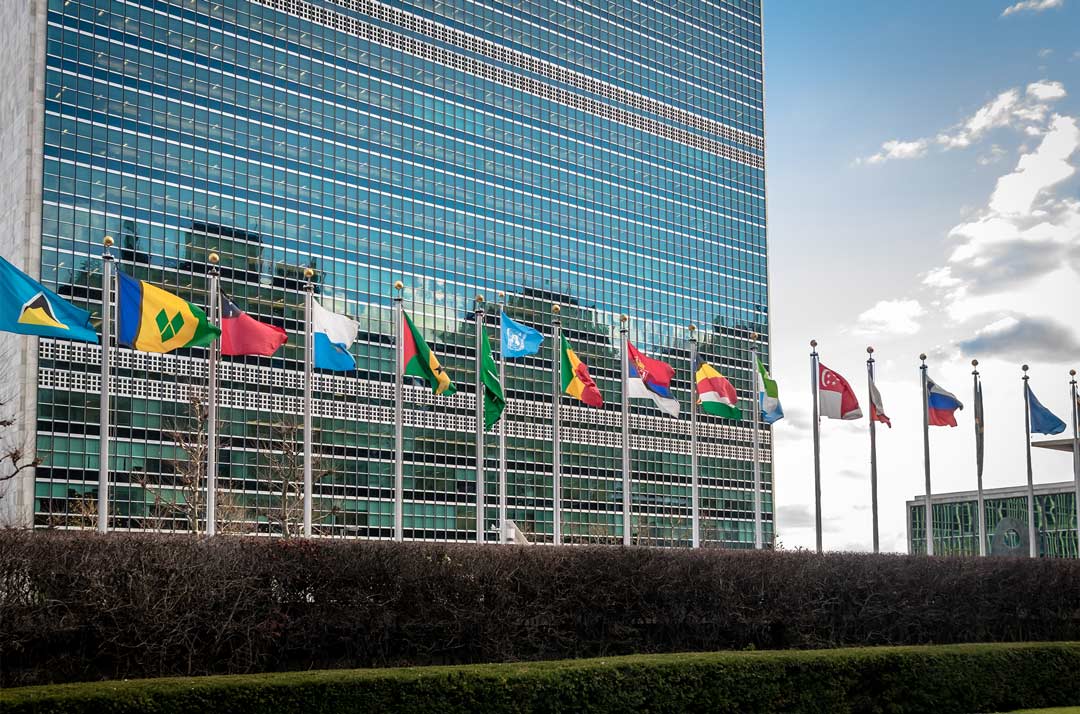
UN General Assembly 2026: Updates and Expert Insights
As world leaders gather in New York for the United Nations General Assembly’s annual high-level session during the week of September 21, 2026, the international organization faces an open-ended institutional crisis. According to reports from the Crisis Group, paralysed diplomacy and cost-cutting measures have severely weakened the UN’s capacity to halt global conflicts and address mounting civilian suffering.
An Institutional Crisis and Cost-Cutting Pressures at the 81st UN General Assembly
Marking the opening of the 81st UN General Assembly, international analysts report that the multilateral organization is trapped in severe structural stagnation. According to Richard Gowan, Program Director for Global Issues and Institutions at the Crisis Group, the organization may not be in emergency care like it was previously, but it remains trapped in a trauma centre for the foreseeable future. A second year of stringent cost-cutting has diminished the operational capacity of the UN, even as geopolitical strains intensify across multiple continents.

Despite these profound operational hurdles, the UN remains the sole universal forum for international cooperation concerning war and peace. Member states arriving in New York are heavily focused on the impending selection of the next Secretary-General, who is set to be chosen by the end of 2026. Experts emphasize that the incoming leader must work alongside member states to revitalize peacemaking frameworks, mobilize critical political and financial backing, and rebuild global faith in international law.
High-Stakes Diplomatic Confrontations and Regional Flashpoints in New York
High-level week has also served as a staging ground for intense bilateral and regional showdowns. According to reporting from New York, U.S. and Iranian negotiators met on the sidelines for a three-hour discussion, which President Donald Trump characterized as a very good meeting. This diplomatic engagement occurred just hours after presidential threats regarding the ongoing conflict and the critical Strait of Hormuz oil shipping route. Additional talks between Washington and Tehran are scheduled for the near future.

Meanwhile, regional security coalitions have taken center stage among right-leaning nations. At a Shield of the Americas event in New York, President Trump addressed leaders from more than a dozen countries, including Argentina, Ecuador, El Salvador, Bolivia, and Panama, thanking them for regional counter-narcotics cooperation. Concurrently, discussions involving Ukrainian President Volodymyr Zelenskyy focused on prospective frameworks to resolve the ongoing war, alongside domestic economic proposals such as a temporary U.S. diesel export embargo aimed at lowering fuel prices.
The Road Ahead for Global Governance and Multilateral Revival
As Daniel Forti, Head of UN Affairs at the Crisis Group, noted regarding the institutional landscape, António Guterres has maintained a conservative and cautious approach toward the UN’s role in peace and security. With leadership transition on the horizon, member states face a pivotal juncture. The overarching sentiment among global analysts is that while the organization is undeniably diminished, it remains an indispensable instrument for international stability.
Reviving the UN’s core mandate will require deliberate political will from major powers and middle-income states alike. Navigating these turbulent diplomatic waters demands rigorous institutional planning.