UN Climate Talks in Antalya End Without Deal Over Fossil Fuel, Finance Disputes
United Nations climate talks in Antalya, Turkey, concluded on Sunday without a final deal after negotiations stalled over the role of fossil fuels and financial commitments.
The collapse marks the first time a major political agreement has failed at a COP summit since 2009 in Copenhagen, BBC reported.
- Negotiations lasted until Sunday, making COP31 the longest UN climate conference in history, according to BBC.
- A proposed final text failed to mention fossil fuels, despite over 100 countries initially demanding the language be included, The Guardian reported.
- The planet is currently at approximately 1.4 degrees of warming, according to CNN.
- The summit failed to reach a consensus on a goal to derive 35% of energy from electricity by 2035, The Guardian reported.
Fossil fuel language divides nations
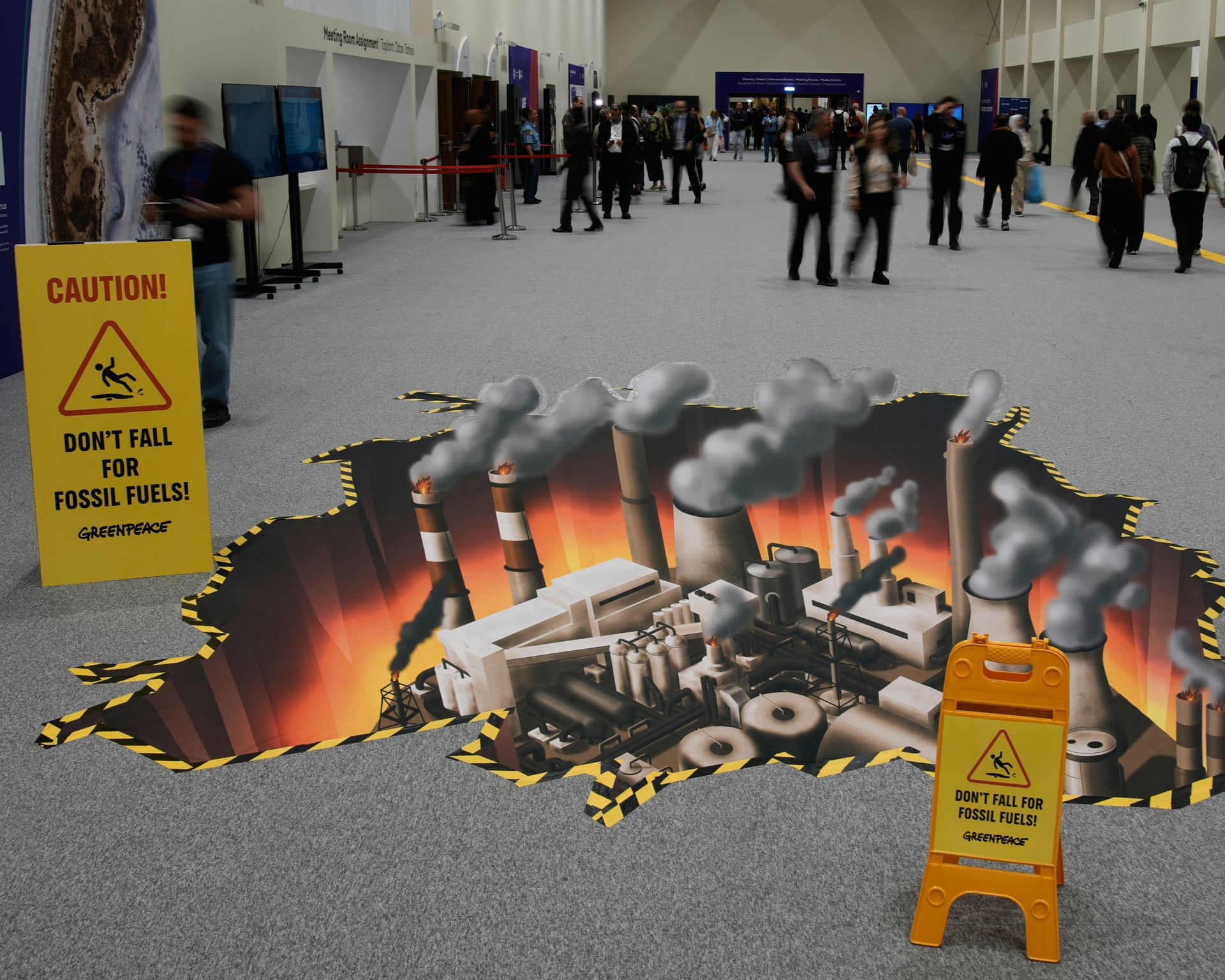
The impasse centered on the omission of explicit references to fossil fuels in the final text. A first draft published Monday included the term six times, but subsequent versions stripped all mentions following pressure from oil-producing nations, CNN reported.
Russia warned against turning to slogans, while Saudi Arabia’s delegate, Mohammad Ayoub, argued that Arab nations accounted for only a small portion of historical emissions.
“You cannot solve a fossil fuel crisis by pretending we don’t need to phase out fossil fuels,” said Harjeet Singh, a COP negotiations veteran and director of the Satat Sampada Climate Foundation.
Developing nations criticize slow climate finance delivery
Developing nations expressed frustration over the lack of concrete financial commitments to assist with climate adaptation. While rich countries pledged $300bn annually by 2035 at the previous summit in Baku, many poorer nations reported that funds have been slow to arrive, The Guardian noted. Panama’s environment minister, Juan Carlos Navarro, described the talks as being held hostage by a “petroleum mafia,” AP News reported.
For the first time, the conference formally discussed the “overshoot” of the 1.5C target, though no agreement was reached on how to address the breach of this threshold. “Recognition of the dangers of overshoot should have shaken leaders into action, instead COP31 saw a shameful lack of urgency and leadership,” said Mary Robinson, a former president of Ireland and COP veteran, told CNN.
🌍 Are climate promises translating into action? At #COP31, countries launched a new global progress check as divisions persist over finance, fossil fuels and a just transition. With time running out, cooperation is crucial.https://t.co/IZoE92ynEm
Nations debate the fossil fuel legacy
The collapse of the Antalya summit highlights a growing rift over the global commitment to move away from fossil fuels. While all nations pledged to “transition away from fossil fuels” at COP28 in Dubai, oil-producing countries have since resisted repeating or building upon that call. Russia cautioned against “turning to slogans” regarding coal, oil and gas, arguing that a rapid shift away from these sources would trigger “fuel poverty.”
Negotiators faced intense pressure from a coalition of over 100 countries, including the EU, that demanded explicit fossil fuel language remain in the text. Ireland’s climate minister, Darragh O’Brien, stated the bloc would not endorse any deal “that does not even mention fossil fuels.” Despite this, the final 10-page text omitted these terms entirely, even while referencing the 2023 Dubai consensus in its opening line.

Finance and the 1.5C threshold
Beyond fossil fuel terminology, the summit struggled to address the urgent financial needs of developing nations. Without concrete figures or a clear baseline for these commitments, many vulnerable nations expressed deep frustration with the negotiation process.
This year’s conference also marked the first time the UN formally discussed the “overshoot” of the 1.5C target, as global temperatures continue to rise. Climate scientist Bill Hare, CEO of Climate Analytics, warned that the proposed shift to electricity could remain ineffective if it relies on gas and coal, noting that “electrification that runs on coal and gas does not limit warming.”
While the main agreement failed, delegates did achieve some progress on a “just transition mechanism” to support workers and communities during the shift toward clean energy.
Held in Antalya, the fifth-most populous province in Turkey with a provincial population of 2,722,103, COP31 took place in a city recognized as the “capital of tourism” on the Turkish Riviera. The summit utilized Antalya’s status as Turkey’s biggest international sea resort, which attracted 18.6 million visitors in 2025, to host the longest UN climate conference in history.
Its location on Anatolia’s southwest coast, flanked by the Taurus Mountains, positioned the talks on a coastline highly vulnerable to the rising temperatures and “overshoot” of the 1.5C target that dominated the agenda.
Now that #COP31 has concluded, I want to send a message to civil society, young people, Indigenous Peoples, scientists & frontline communities: Keep spreading the facts. Keep demanding #ClimateAction. Keep turning up the heat. Hold governments and companies to account.… pic.twitter.com/Nvsp2FOHeh
Dual presidencies fail to reach consensus on final text
The conference was managed by dual presidencies from Turkey and Australia, an arrangement that some participants found difficult to coordinate at speed. Murat Kurum, the COP31 president, confirmed the failure to reach an agreement during the final session. “We have done our utmost,” Kurum said, “it is clear that there are parties in this hall who oppose this text. We recognize that there is no consensus on this document,” according to CNN.
France criticized the final draft as a “backward” step, according to Türkiye Today. Despite the lack of an overarching deal, some progress was made on a “just transition mechanism” intended to support workers as global economies shift toward clean energy, BBC reported.
The divisions remain unaddressed as countries prepare for COP32 in Ethiopia next year. “The UN climate process has suffered setback before and come back stronger,” said Simon Stiell, the UN climate change executive secretary. “It must do so again.”
More on Antalya
I'm deeply disappointed that #COP31 has ended without consensus on an overarching outcome. I share the very profound frustration of all those who expected governments to rise to the moment the climate crisis demands. But this setback does not change the facts. There may be no… pic.twitter.com/SBMZPpfU5l
🌍 Calls for a stronger climate deal intensified as #COP31 reached its final scheduled day. Countries across regions demanded explicit action on fossil fuels and stronger climate finance. Read the report from Antalya 👇https://t.co/hrgsH3Zfb9