
UK Climate Targets at Risk as Clean Energy Rollout Lags
Government’s Energy Operator Warns of Significant Emissions Shortfall
Britain faces a substantial gap in meeting its climate goals for the next decade, primarily due to insufficient acceleration in clean electricity generation, according to the nation’s energy system operator.
Ambitious Goals Undermined by Slow Progress
The latest 10-year projection from the National Energy System Operator (Neso) indicates that by 2035, the UK will emit nearly a third more carbon than required to stay on track for its legally binding 2050 net zero target. This marks the second official alert in recent weeks concerning the government’s climate strategy.
Previously, the Committee on Climate Change reported that two-fifths of the emissions reductions necessary for the UK’s interim target by the end of this decade remain at significant risk or lack concrete plans for implementation.
Neso Forecast Highlights Critical Gaps
The Neso’s forecast, which assesses the next decade based on existing project pipelines and government policies, aims to illuminate the disparity between current trajectories and necessary actions. The report projects UK carbon emissions to reach 274 million tonnes (MtCO2) by 2035. This figure significantly exceeds the 185–204MtCO2 range deemed necessary for achieving the 2050 net zero objective.
Fintan Slye, CEO of Neso, emphasized the urgent need for enhanced efforts, stating, “The energy system’s climate progress isn’t enough. We need to go further and faster, accelerating the rollout of clean energy technologies”
to ensure a sustainable and affordable energy future.
“The choices made today will shape the success of each wave of Britain’s transition. That means speeding up the adoption of energy efficiency measures, empowering households and businesses to make informed choices on things like demand flexibility, buying an electric car and switching to low-carbon heating.”
—Fintan Slye, Chief Executive of Neso
The energy system operator, now government-owned, suggests that reducing UK emissions by half to approximately 200MtCO2 necessitates expediting the widespread adoption of low-carbon technologies across all sectors.
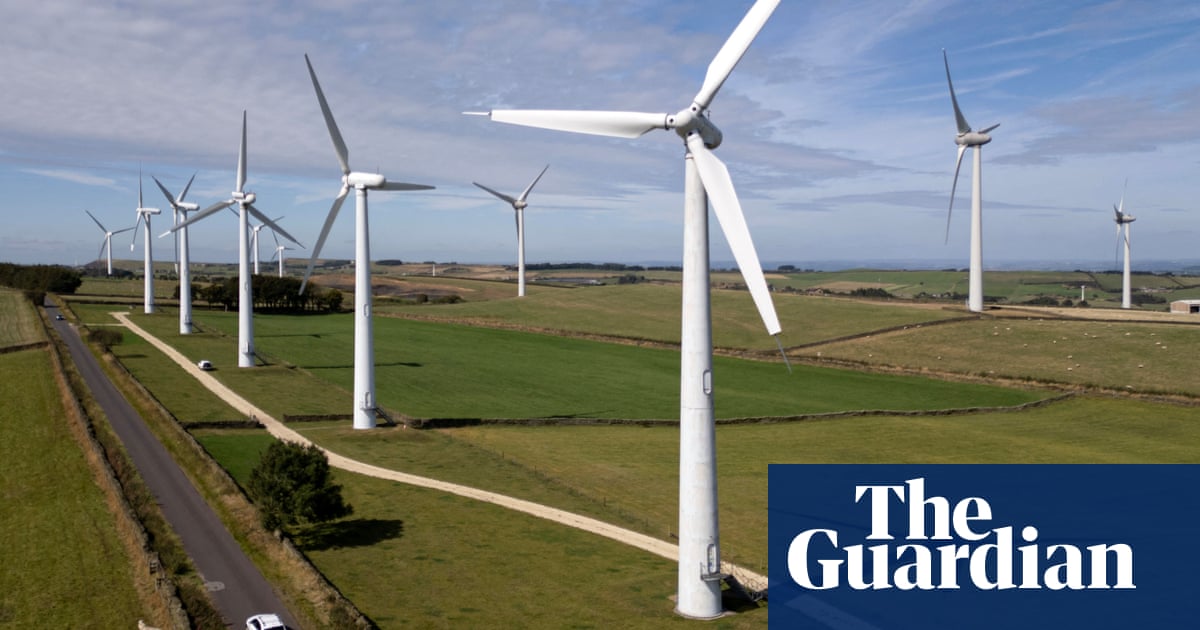
However, Neso’s own data reveals a shortfall in the projected growth of clean electricity supplies. The UK is anticipated to reach 148GW of renewable electricity by 2035, falling short of the 170GW to 190GW required in scenarios aligned with the 2050 climate goals.
These findings are expected to intensify pressure on the government to bolster investments in renewable energy and home energy efficiency initiatives.
Political Response Amidst Climate Debate
In response to these challenges, Ed Miliband, the energy secretary, condemned politicians who oppose net zero policies, characterizing such stances as a betrayal of future generations. His remarks come as the Conservative party has indicated a potential shift away from the 2050 net zero target, and Reform UK has pledged to dismantle all net zero policies and renewable energy subsidies.
A government spokesperson responded to the report, stating, “This report sets out the need to accelerate the country’s progress to clean power – which is exactly what we are doing by sprinting to clean power by 2030 and delivering the most significant investment in history in clean, homegrown energy that we control.”
The spokesperson added, “Our actions over the last year have already laid strong foundations for achieving this mission – by approving projects that could power 2m homes, attracting over £40bn in private-sector investment, setting up the publicly owned Great British Energy, launching a new golden age of nuclear power, and introducing plans to upgrade millions of homes to cut bills for homeowners and renters.”
This update comes as the UK aims to double its offshore wind capacity to 50GW by 2030, a crucial step towards its net zero ambitions, according to the Department for Energy Security and Net Zero (GOV.UK, 2023).
