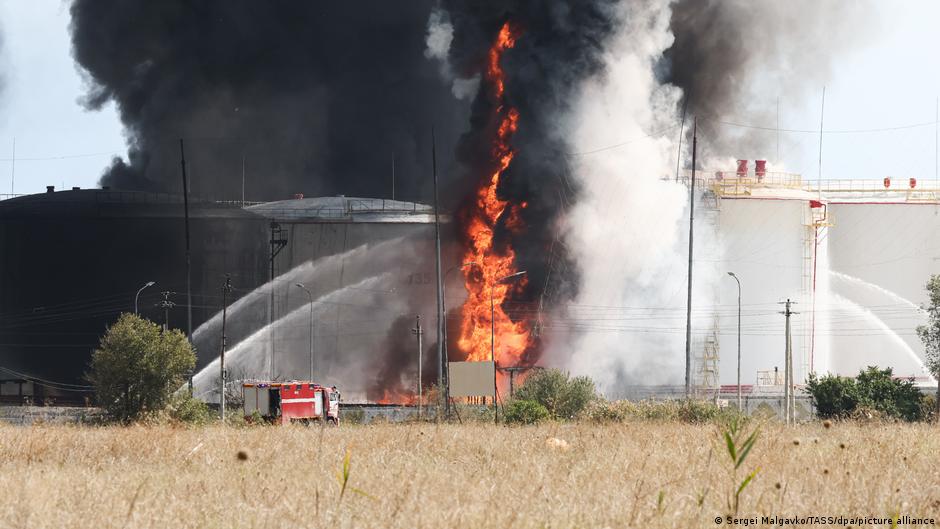
Ukraine War Update: Crimea Strategy and Russian Infrastructure Strikes
As the conflict extends into its fifth year, Ukrainian military forces have systematically targeted the Crimean Peninsula to systematically erode Russian logistical supply lines, transforming the occupied territory into a central strategic pressure point, according to reporting by DW.com and Infodefensa.
The Geopolitical Anatomy of the Crimean Campaign
Military analysts tracking the Black Sea theater note that the strategic push toward Crimea is less about an imminent, sweeping reconquista and more about a calculated strategy of logistical attrition. Infodefensa notes that while rapid ground re-entry remains constrained by heavily fortified Russian defenses, continuous precision strikes are visibly degrading the operational capacity of occupying forces. This methodical targeting disrupts fuel distribution networks and munitions supply chains essential for maintaining southern front-line positions.
Simultaneously, international reporting highlights a broader intelligence and hardware campaign. According to UNITED24 Media, strategic guidance from Western allies including the United States and France has supported targeted operations against Russian oil refineries. These coordinated strikes cripple fuel processing capabilities directly tied to military logistics, creating severe economic and operational bottlenecks for Moscow.
Maritime Interdiction and the Shadow Fleet
Beyond land-based refineries, the naval domain has become a critical theater for asymmetric warfare. Ukrinform reports that Ukraine’s Unmanned Systems Forces recently executed successful strikes against another 13 vessels belonging to Russia’s so-called shadow fleet operating within the Black Sea and the Sea of Azov. These maritime assets serve as vital conduits for evading international sanctions and sustaining regional military logistics.
Targeting the Core of Russian Energy Infrastructure
Expansión reports that Kyiv has specifically refined its aerial campaign to home in on essential component parts within Russian energy infrastructure, rather than relying solely on broad regional bombardments. By prioritizing high-value transformer stations, specialized cracking units, and proprietary control systems, these operations achieve maximum structural disruption with surgical precision.
Strategic Outlook and Economic Fallout
The campaign to isolate Crimea underscores a fundamental reality of modern state conflict: logistics and supply chain integrity dictate territorial control long before infantry movements decide the issue. As long as Ukrainian forces maintain pressure on maritime supply routes and refined fuel depots, the structural costs for Moscow’s regional command will continue to mount.
Managing cross-border exposure amidst such high-stakes volatility demands institutional foresight.
Worth a look
- Kim Jong Un Issues War Ultimatum: Potential for Conflict in Asia
- Washington Post Opinions Editor Adam O’Neal Resigns After One Year
- Kyiv Hit by Ballistic Missile Strikes as Explosions Shake Ukrainian Capital (archyde.com)
- Trump Denies Agreement for Ukraine to Build Patriot Missile Interceptors (time.news)