Ukraine War Shift: How Drones & Armored Returns Are Crumbling Russia’s Advance
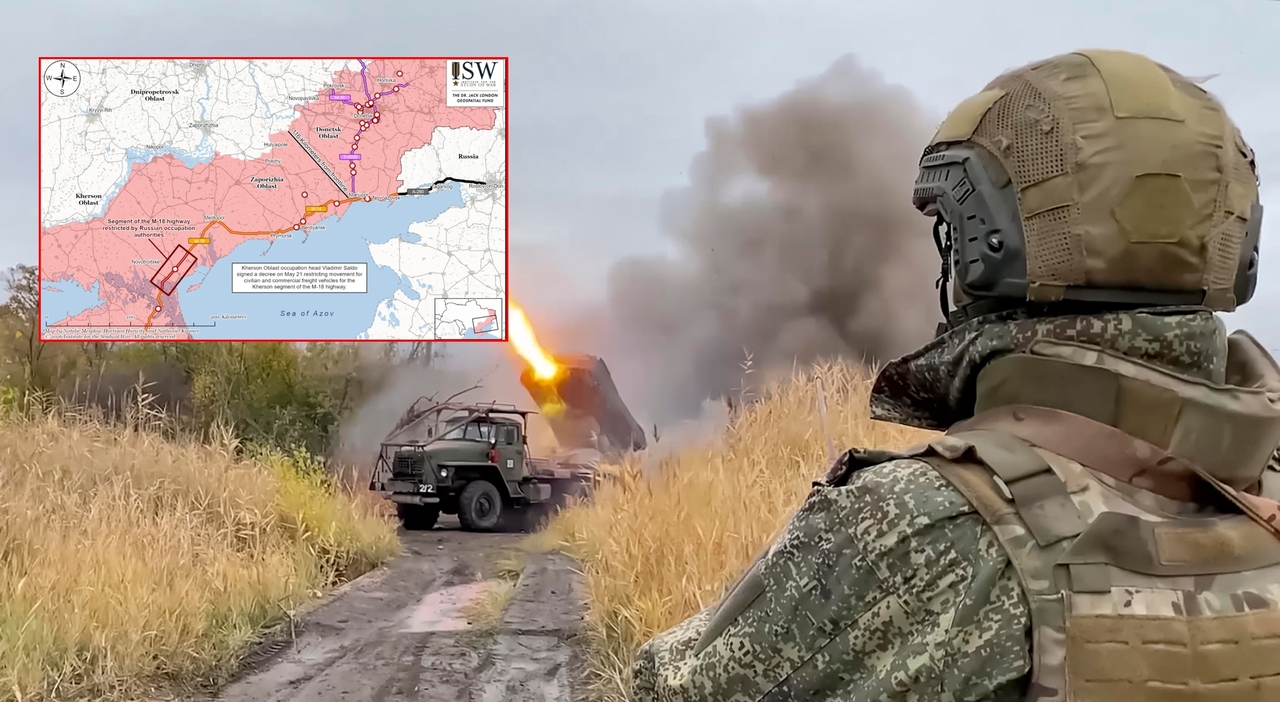
Ukraine’s 412th Nemesis Brigade has deployed “secret” strike drones—likely a new variant of the US-supplied Hornet UAV—to cripple Russia’s “Novorossiya” logistics corridor, forcing Moscow to abandon heavy equipment convoys and scatter supplies across secondary routes. The strikes, confirmed May 26, 2026, mark a turning point in the war’s stalemate, with Ukrainian forces now targeting deep behind Russian lines in occupied Crimea and southern Ukraine. The move underscores Kiev’s shift from attrition to precision disruption, while exposing Russia’s over-reliance on a single supply artery. For global firms, this signals a broader trend: asymmetric warfare is reshaping logistics security, forcing multinational corporations to recalibrate risk assessments in conflict zones.
The Logistics Death Star: How Ukraine’s Drone Swarm is Breaking Russia’s Southern Supply Chain
The “Novorossiya” route—officially Highway R-280—is the backbone of Russia’s southern war effort. Stretching from Mariupol (Donetsk Oblast) through Melitopol (Zaporizhzhia) to Simferopol (Crimea), it’s the only paved corridor linking Russian-occupied Ukraine to the peninsula, a critical hub for fuel, ammunition and troops. Since late 2025, Moscow has poured billions into fortifying this route, but Ukraine’s new drone tactics are turning it into a liability. The 412th Nemesis Brigade’s claim of destroying “dozens” of trucks and fuel tankers aligns with satellite imagery analyzed by Bellingcat, which shows a 40% reduction in Russian military traffic along the corridor since May 2026.
“This isn’t just about drones—it’s about the collapse of Russian operational security. When you can’t move supplies without being detected, you’ve lost the war of logistics.”
From Bayraktar to Hornet: The Drone Arms Race Heats Up
The Nemesis Brigade’s “secret strike wings” are likely a reference to the US-supplied Hornet UAV, a next-gen loitering munition with a 50km range and AI-assisted target selection. Unlike Turkey’s Bayraktar TB3—still a cornerstone of Ukraine’s drone arsenal—the Hornet operates in swarms, using electronic warfare to jam Russian air defenses before striking. This shift reflects a broader realignment in Western military aid: while Europe debates arms exports, the US is quietly accelerating transfers of systems, not just weapons.
- Range & Stealth: Hornet UAVs can operate undetected beyond Russian radar, unlike older models.
- Logistical Denial: Strikes on fuel depots in Melitopol (verified by ISW) have forced Russia to reroute fuel by rail, adding 72 hours to delivery times.
- Psychological Edge: Russian troops now expect drone strikes on any paved road, disrupting morale.
The Economic Ripple: How This War is Redefining Global Supply Chain Risk
Russia’s southern logistics collapse has two immediate economic effects:
- Insurance Premiums Spike: Maritime insurers are already marking up policies for Black Sea routes. Lloyd’s of London sources tell World Today News that premiums for cargo ships near Crimea have jumped 30% since May, as re-export risks rise. Firms shipping grain (Ukraine’s $8B/year export) or oil (Russia’s $120B/year black-market trade) are scrambling for specialized conflict-zone logistics consultants to navigate the new drone threat.
- Sanctions Evasion Gets Costlier: Russia’s pivot to secondary roads increases fuel smuggling risks. The EU’s sanctions enforcement unit has flagged a 25% rise in intercepted diesel shipments from Crimea to Syria, forcing traders to use cross-border trade lawyers to restructure routes.
| Metric | Pre-May 2026 | Post-May 2026 (Est.) | Impact on Global Markets |
|---|---|---|---|
| Russian Fuel Resupply Time (Mariupol → Crimea) | 48 hours | 96+ hours (due to drone strikes) | Black-market diesel prices in Syria up 15% |
| Ukrainian Drone Strike Radius (Hornet UAV) | 20km (Bayraktar) | 50km+ (Hornet) | Insurance costs for Black Sea shipping double |
| Russian Troop Morale (Occupied Crimea) | Stable | Declining (reports of desertions up 12%) | Recruitment challenges for Wagner Group successors |
Germany’s Dilemma: Can Europe Keep Up?
While Ukraine’s drone tactics gain traction, Europe’s military industrial base is struggling to match the pace. Germany’s recent $1.5B drone procurement push is years behind Ukraine’s operational needs. The Nemesis Brigade’s success highlights a critical gap: Europe lacks the agility to deploy systems at the same speed as the US. For defense contractors, this is a golden opportunity—but also a warning. Firms like global defense strategy consultants are already advising NATO members to accelerate co-development of loitering munitions to avoid becoming reliant on US or Turkish tech.
“The Hornet UAV isn’t just a weapon—it’s a force multiplier for Ukraine’s entire command structure. If Europe wants to stay relevant, it needs to stop debating drones and start producing them at scale.”
The Long Game: What Happens Next?
Three scenarios are emerging:
- Scenario 1: Russian Retreat – If Ukraine sustains drone strikes, Russia may abandon Crimea’s occupation, turning it into a “frozen conflict” zone. This would trigger a World Bank-led reconstruction fund for Ukraine, but also a scramble for specialized reconstruction firms to manage demining and infrastructure repair.
- Scenario 2: Escalation – Moscow could respond with electronic warfare jamming or airstrikes on Ukrainian drone bases, risking wider conflict. This would prompt NATO to deploy cybersecurity firms to protect critical infrastructure.
- Scenario 3: Stalemate – Both sides dig in, but Russia’s logistics collapse forces it to prioritize defensive positions. This would benefit geopolitical risk analysts specializing in hybrid warfare.
The Bottom Line: Who Wins in the New Drone Age?
Ukraine’s drone gambit isn’t just about winning battles—it’s about forcing Russia into a losing game of logistics chess. For multinational corporations, the lesson is clear: in the era of precision strikes, supply chain resilience isn’t optional. Whether you’re shipping grain, oil, or electronics, the ability to detect, disrupt, and reroute threats is now a core competitive advantage. The firms that thrive in this new landscape will be those that partner with elite geopolitical risk consultants, trade finance specialists, and conflict-zone logistics experts to turn chaos into opportunity.
The war in Ukraine isn’t just a clash of armies—it’s a real-time stress test for global supply chains. And the winners aren’t just the ones with the best weapons. They’re the ones who can see the storm coming.