
Ukraine Tax Updates: Parcel Levies and PEP Status Controversy
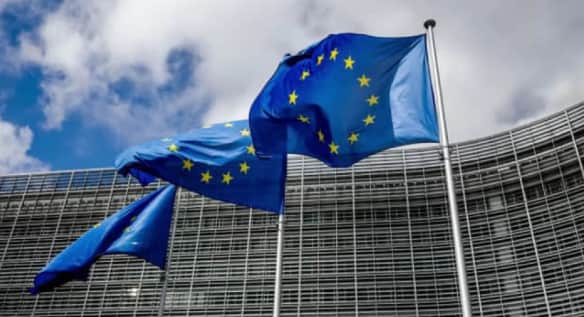
Brussels has issued a formal warning to Ukraine regarding a proposed legislative shift to reduce the status of Politically Exposed Persons (PEPs) to a three-year term. This move threatens Ukraine’s alignment with European Union anti-money laundering standards, potentially jeopardizing its EU accession path and international financial standing.
The tension here is palpable. On one side, the Ukrainian government seeks to ease the bureaucratic burden on former officials. On the other, the European Commission views the “lifelong” or extended PEP status as a non-negotiable pillar of financial transparency. If Ukraine unilaterally shortens this window, it doesn’t just tweak a rule—it signals a regression in its fight against systemic corruption.
For the average citizen, this seems like a technicality for the elite. It isn’t.
When the definition of a PEP is narrowed, the “red flags” at banks disappear faster. This creates a loophole for the illicit movement of capital, making it significantly harder for international regulators to track the flow of funds from public office to private offshore accounts. As Ukraine navigates the complexities of war-time governance, the pressure to maintain a gold-standard regulatory environment is clashing with the domestic desire for legislative flexibility.
The Regulatory Friction: EU Standards vs. Domestic Policy
To understand the gravity of the Brussels warning, one must understand the role of the Financial Action Task Force (FATF). The FATF sets the global benchmarks for Anti-Money Laundering (AML) and Countering the Financing of Terrorism (CFT). The EU’s directives are heavily based on these standards, which generally dictate that individuals who held prominent public functions should be subject to enhanced due diligence (EDD) for a significant period after leaving office.

Ukraine’s attempt to cap this at three years is seen by Brussels as an invitation to “cleanse” political wealth. The risk is that a minister could orchestrate a series of corrupt transactions, step down, and then, within 36 months, find their assets suddenly “invisible” to the heightened scrutiny of the global banking system.
“The integrity of the financial system relies on the persistence of scrutiny. Reducing the PEP window to a mere three years creates a ‘cooling-off’ period that is far too short to deter high-level corruption or effectively track the long-term movement of diverted state funds.”
This regulatory gap creates an immediate problem for Ukrainian businesses and individuals attempting to operate in international markets. As the EU tightens its grip, companies may find themselves unable to open accounts or transfer funds if their ownership structure includes “former” PEPs who are no longer recognized as such by Ukrainian law but are still flagged by EU banks.
Navigating this discrepancy requires more than just a lawyer. it requires specialized compliance consultants who can bridge the gap between Kyiv’s legislative ambitions and the rigid requirements of the European Central Bank.
The Broader Fiscal Chaos: Parcels and War Taxes
The PEP controversy does not exist in a vacuum. It is coinciding with a volatile period of fiscal restructuring in Ukraine. Currently, the Verkhovna Rada is grappling with a contentious proposal to tax parcels valued under 150 euros. While the government seeks to plug budget holes, trade unions and business associations are in an uproar, arguing that taxing small-scale imports during a national crisis is punitive.
the debate over the “military levy”—a tax originally conceived under the tenure of former Prime Minister Arseniy Yatsenyuk—has reopened. Critics argue that the current structure of the war tax is inefficient and lacks transparency, mirroring the same systemic issues found in the PEP debate: a lack of trust in how the state manages and monitors money.
Fiscal Pressure Points in 2026
| Policy Issue | Proposed Change | Primary Risk | EU/International Stance |
|---|---|---|---|
| PEP Status | Reduce to 3-year term | Increased Money Laundering Risk | Strong Opposition/Warning |
| Parcel Tax | Tax items under €150 | SME Bankruptcy / Public Unrest | Neutral/Economic Concern |
| Military Levy | Restructuring/Increase | Economic Stagnation | Support for Fiscal Stability |
The common thread here is the struggle for legitimacy. Whether it is the tax on a small package from abroad or the scrutiny of a former deputy’s bank account, the Ukrainian state is attempting to balance the desperate require for revenue with the need to appear “European” in its governance.
Regional Implications: From Kyiv to the Borderlands
The impact of these decisions is felt most acutely in regional hubs like Lviv and Odesa, where cross-border trade is the lifeblood of the local economy. If the parcel tax is implemented, thousands of small-scale entrepreneurs who rely on micro-imports will witness their margins vanish overnight. This isn’t just a policy shift; it’s a potential economic shock to municipal markets that have grow vital during the displacement of populations from the east.
Simultaneously, the PEP status issue affects the “revolving door” of politics in Kyiv. Many former officials are attempting to pivot into the private sector, launching ventures in reconstruction and infrastructure. If they are stripped of their PEP status too early, they may find themselves in a “grey zone”—legally cleared at home but blacklisted by European Council compliant banks in Frankfurt or Luxembourg.
For those caught in this regulatory crossfire, the need for vetted corporate auditing firms becomes paramount. These professionals are the only ones capable of performing the “forensic cleaning” required to satisfy both Ukrainian law and EU scrutiny.
As the Ukrainian government weighs the warnings from Brussels, it faces a binary choice: prioritize the comfort of its political class or prioritize the stringent requirements of the European Commission. The latter is the only path toward full integration into the Single Market.
The danger of ignoring Brussels is not just a diplomatic snub; it is a financial blockade. If Ukraine is perceived as a “high-risk” jurisdiction for money laundering due to the PEP loophole, the cost of borrowing will rise, and foreign direct investment will evaporate.
The struggle to define “transparency” in a time of war is a precarious balancing act. When the rules for the powerful are loosened, the burden inevitably falls on the small business owner and the honest civil servant. As these legal frameworks shift, the only certainty is the need for expert guidance. Whether you are a business navigating new tax codes or an official managing a transition in status, securing the right international law experts is no longer a luxury—it is a survival strategy in an era of shifting geopolitical boundaries.