Ukraine soldiers say drones and artillery cause 85% of Russian losses
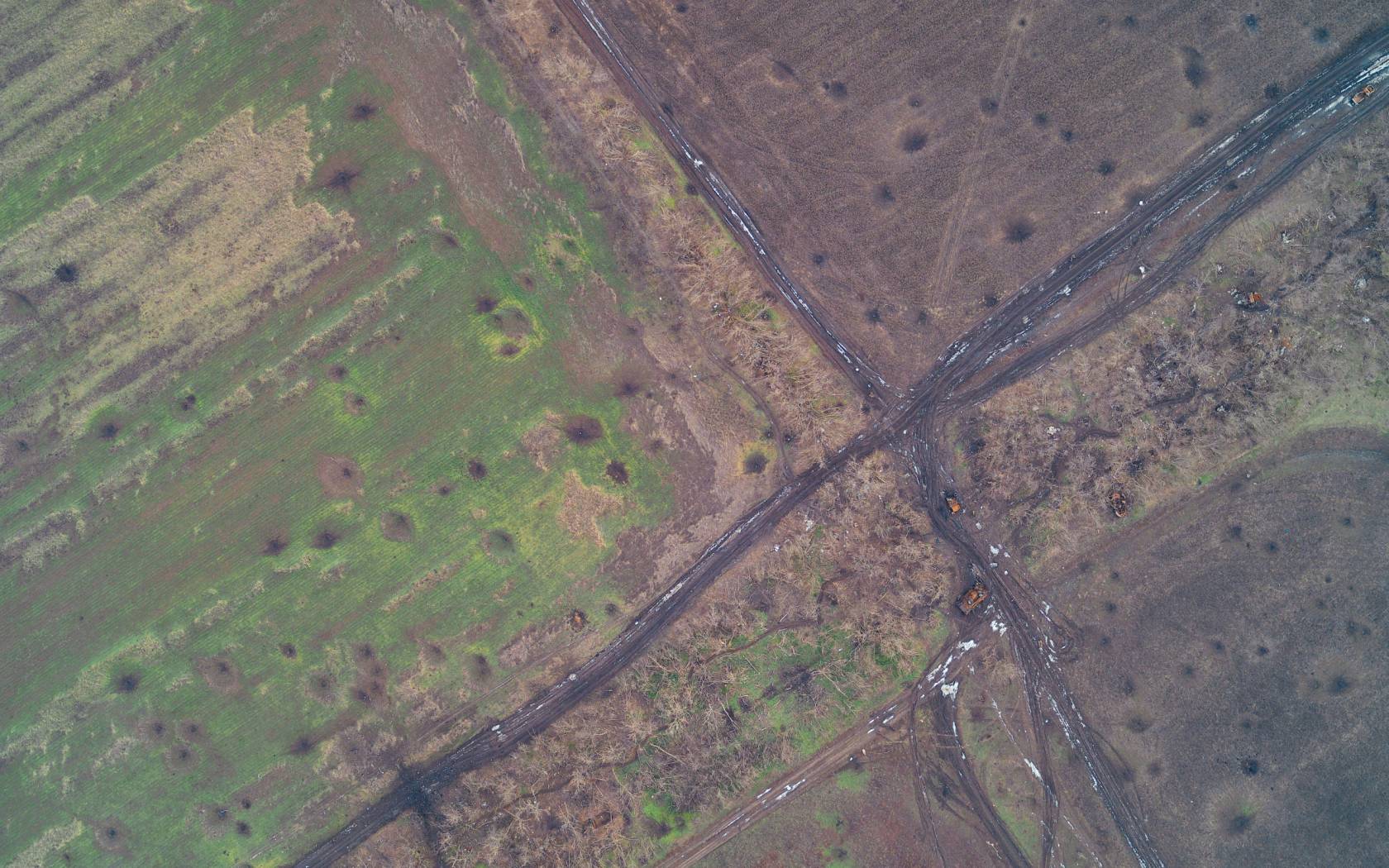
Military briefers newly returned from Ukraine detailed to Engelsberg Ideas that approximately 85 per cent of Russian human and equipment casualties are caused by unmanned aerial vehicles or artillery and mortars directed by them.
The Disappearance of the Traditional Frontline
According to briefings shared with Engelsberg Ideas, the sheer density of unmanned systems and optical devices means traditional frontlines and rear areas have effectively ceased to exist outside urban centers. Commenting on the tactical reality, a general identified as Oleksandr observed that forward edges are held very lightly by a few hundred well-equipped defenders who rely on precision-guided artillery and drones rather than deep trenches.
Describing this phenomenon, an operator known by the nom de guerre Artem suggested that occupying basements “is not holding ground in a military sense. It is merely infecting it, temporarily. It’s like claiming control of an ocean from the seabed.”
Kyiv Requires Millions of Drones for Daily Operations
Kyiv routinely expends between 9,000 and 10,000 UAVs per day, according to Oleksandr, who insisted that any NATO partner claiming to be drone-ready requires an annual supply of at least 3.5 million cutting-edge drones. Regimental commander Andrey noted that flying small drones should be a skill as basic as operating a rifle, while the most critical personnel are network engineers and coders who track and adjust unmanned systems on the spot.
Technological adaptation operates at an unprecedented pace. Artem noted that development time for new military kits dropped from about seven months in 2022 to a matter of weeks, with minor tweaks occasionally moving from an operator’s morning request to active service by the afternoon. Recent innovations include scouting and escort drones designed to protect armored vehicles like Challenger 2 tanks and M2 Bradleys from enemy attacks.
Disruption of Military Communications and Satellite Networks
Operational capabilities faced severe headwinds as Ukraine’s access to Starshield was throttled and subsequently suspended, with Musk insisting the decision lies with Washington. The encrypted military version of Starlink’s constellation of more than 10,000 low-orbit satellites had served as the backbone of Ukrainian military communications, leaving Kyiv to experience disrupted missions and lost drones while missile strikes rained down.
This vulnerability has sparked a global military satellite race and prompted nations to seek resilient alternatives. NATO maintains its own satellite communications services, while commercial options continue to develop across Europe and North America. However, the sudden disruption highlights the risks of relying on a single defense technology or system failing under geopolitical pressure.
Drone Surveillance Eliminates Golden Hour for Wounded Soldiers
On the medical front, trained nurse Zlata stated that the traditional “golden hour” for treating the wounded has vanished due to drone surveillance and the routine disregard of the Red Cross symbol by Russian forces. Consequently, combat medics are frequently replaced by soldiers trained to perform advanced procedures—such as extractions, amputations, and transfusions—while video-calling surgeons under fire.
Meanwhile, tactical escalations continue on multiple fronts. Oleksandr noted that Russia has coated Geran-2 drones with lingering chemicals, deployed yellow phosphorus on trenches, and utilized missiles containing depleted uranium. In response, Kyiv has selectively deployed thermite-releasing “dragon drones” to strip tree cover and neutralize hostile positions.