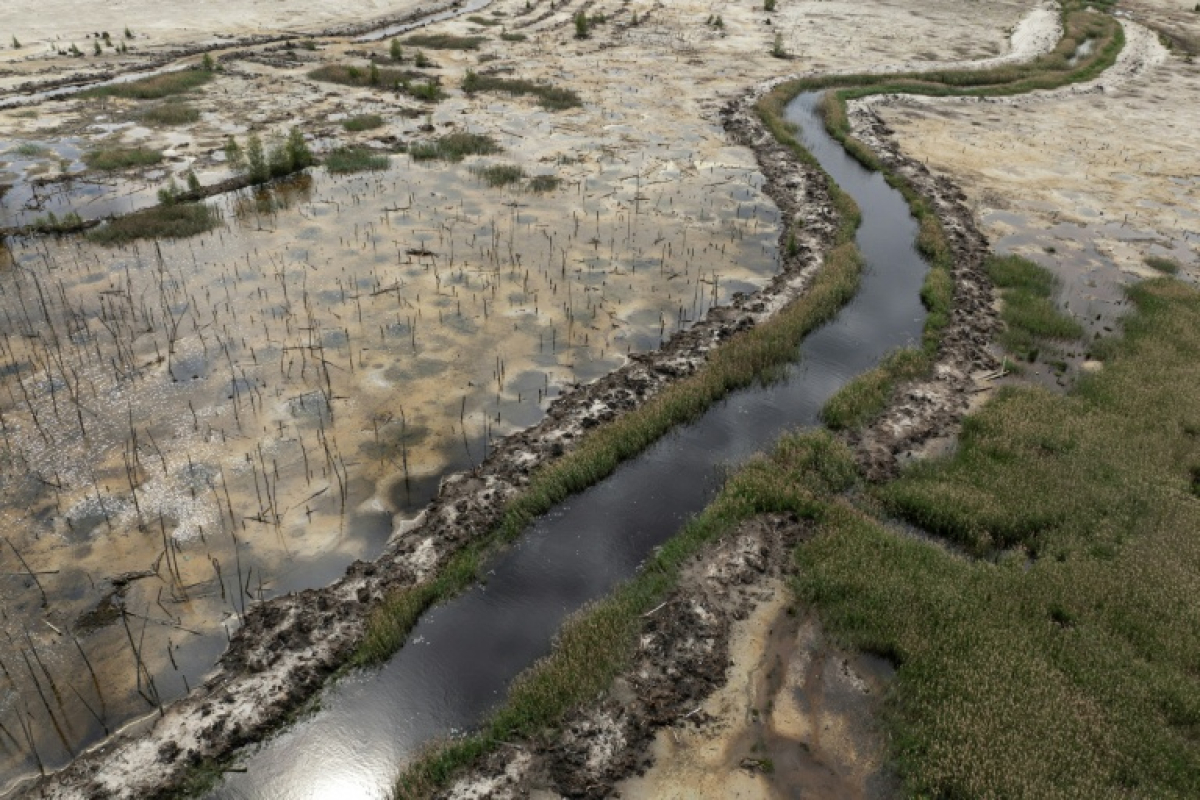
Ukraine sees rise in illegal amber extraction under martial law
<>
Between 2020 and 2025, Ukraine saw official amber exports rise from 0.61 tonnes to 88.83 tonnes.
How Wartime Martial Law Reopened Rivne’s Underground Amber Trade
In the forests of northwestern Ukraine, the physical scars of illegal amber extraction are multiplying beneath the cover of wartime deregulation. According to Oleg Boguelsky, coproprietor of the Ukrainian enterprise Amber Galbine based in the Rivne region, approximately 60 to 70% of Ukrainian amber is currently of illegal origin. The implementation of martial law following the 2022 Russian invasion forced the suspension of routine environmental inspections and state audits. This oversight vacuum stripped authorities of visibility over remote extraction sites.
Before the state stepped in with a 2019 regulatory framework, a decade-long boom driven by Chinese fashion demand sent values soaring by nearly 1.000% between 2010 and 2015. Prospectors used high-pressure water pumps to blast through topsoil and ancient pine forests, deploying large nets to catch the floating fossil resin while leaving behind thousands of hectares of forest destruction. In response to this ecological devastation, Kyiv instituted mandatory cadastres, gentler extraction rules, and strict reforestation duties.

Enforcement Crackdowns Target Organised Protection Rings
The return of lucrative underground operations has triggered a fresh wave of criminal investigations as state prosecutors attempt to curb the resurgence. Borys Indytchenko, head of the specialized environmental prosecutor’s office, stated that authorities have opened 369 inquiries into illicit amber extraction and possession since 2024. Enterprise operators in the black market have begun deploying perimeter fencing, checkpoints, and private security details with ties to organized crime networks.
State forest protection officials emphasize the deep societal costs accompanying this environmental regression. Ivan Chvyryd, an official with the Volodymyrets government forestry agency in the Rivne region, recalled witnessing camps where upwards of 2,000 individuals—including school-age children—worked uninhibited on clandestine pits. Law enforcement agencies continue to target the infrastructure facilitating these operations, highlighted by the dismantling of a clandestine network in June 2026 led by a local official allegedly responsible for roughly 7 million euros in environmental damages.
Commercial Compliance and Environmental Risk Management
>