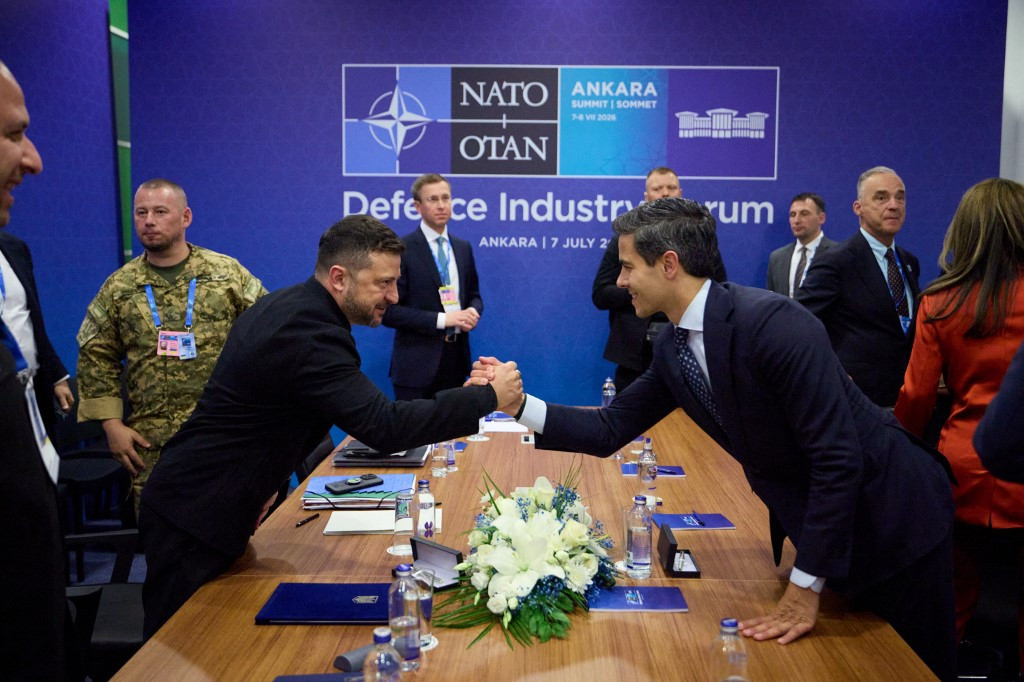
Ukraine Expands Drone Cooperation and Arms Export Deals with NATO Allies
Ukraine signed drone cooperation agreements with Estonia and the Netherlands to accelerate joint production and technology sharing. The deals aim to scale unmanned aerial vehicle (UAV) manufacturing as Kyiv pursues similar partnerships with Canada, Finland, and five other NATO members by the end of the year, according to the Kyiv Post.
How do these drone deals change Ukraine’s defense strategy?
The agreements with the Netherlands and Estonia move beyond simple procurement. According to the Kyiv Post and Ukrinform, the focus is on “joint production,” meaning Western components and Ukrainian assembly lines will integrate to create drones tailored for the current conflict. Zelensky and the Dutch prime minister specifically signed a deal to boost joint drone production, signaling a move toward industrial interdependence.

Reuters reports that Ukraine is simultaneously announcing a broader framework for wartime arms exports.
The scale of the ambition is significant. The Guardian reports that Ukraine hopes to secure these “drone deals” with a total of seven NATO countries by end of year. Canada and Finland are listed as the next primary targets for these bilateral agreements.
What are the specific roles of Estonia and the Netherlands?
Estonia, as reported by Ukrinform, has focused heavily on digital integration and electronic warfare (EW) capabilities.
The Dutch agreement, according to Межа. Новини України., focuses more heavily on the physical production and scaling of UAVs.
Comparing the Drone Cooperation Frameworks
| Partner Country | Primary Focus (per Sources) | Strategic Objective |
|---|---|---|
| Netherlands | Joint Production Scaling | Increase volume of UAV units |
| Estonia | Cooperation Agreement | Tech integration and ecosystem growth |
| Canada/Finland | Pending Negotiation | Expand NATO industrial base for Ukraine |
Why is the “Arms Export Framework” critical for long-term growth?
The framework for wartime arms exports mentioned by Reuters is the missing piece of the puzzle.
The push for seven NATO deals by year-end is a race against time and attrition.