Ukraine Bans Media Reporting on Russian Strike Damage to Critical Infrastructure
Ukraine has officially prohibited media outlets from reporting on the impact of Russian strikes against critical infrastructure.
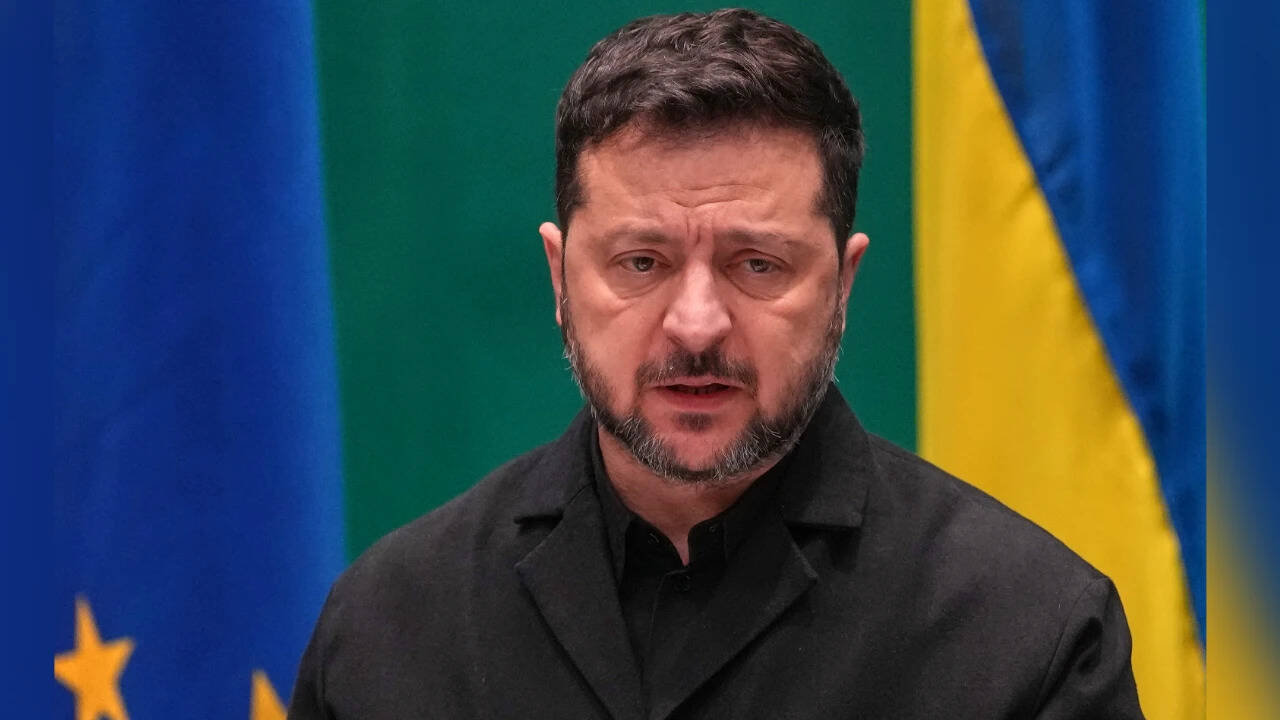
President Volodymyr Zelenskyy signed the new measures on November 28, following a decision by the National Security and Defence Council, aiming to prevent Moscow from gauging the effectiveness of its attacks.
The decree, which took effect immediately, bans the publication of information regarding the consequences of destruction and specific timelines for restoring facilities in the energy, fuel, and public utilities sectors. It also restricts reports on the status of construction and protective structures at these sites, according to The Kyiv Independent.
The government directive comes as the country faces a fifth winter of intensified aerial strikes. Since September, Russia has conducted more than 1,000 attacks on energy infrastructure, including power plants and high-voltage substations, the Centre for Economic Strategy reported. These strikes have forced Ukraine to suspend electricity exports while energy imports have reached record levels.
Under the new decree, the Cabinet of Ministers must deploy electronic warfare and active defense systems at priority sites within one month. Regional administrations are also tasked with expanding backup power supplies for residential areas.

While the government maintains that reporting on damage assists Russian military planning, officials acknowledge the difficulty of controlling the flow of information. Dmytro Lytvyn, an adviser to Zelenskyy, said:
“complicated because a significant portion of such posts come from anonymous Telegram channels,”
DW reported. The decree does not specify penalties for news outlets that violate the new rules. Similar wartime censorship has been in place since the full-scale invasion began in February 2022, with both Kyiv and Moscow implementing measures to limit information on infrastructure damage, The Guardian reported.
The implementation of these restrictions follows a series of lethal strikes across the country. On November 28, local authorities in Kyiv reported that a woman was killed and four people were injured during a massive aerial assault that also impacted critical infrastructure, according to DW.

Additional attacks on Saturday resulted in further casualties. Seven people were killed and seven others wounded at an enterprise in the northern Chernihiv region, while in the Russian-occupied Zaporizhzhia region, a drone strike on a hospital vehicle killed a nurse and a driver, The Guardian reported.
Russia targets Kyiv bridges as missile arsenal grows
Bridges in the Ukrainian capital Kyiv were the prime targets during that period, following a surge in Ukrainian attacks on Russian bridges.
Russian lawmakers push censorship as Kushner describes diplomatic learning curve
Violations would be punishable by fines or jail time, extending Moscow’s existing criminalization of war commentary since the 2022 invasion.
As the military situation remains fluid, diplomatic efforts to address the conflict continue. In November, US-mediated talks took place in Abu Dhabi, involving discussions on security guarantees between delegations from Russia and Ukraine. Meanwhile, on Friday, India and the European Union issued a joint call in New Delhi for a “comprehensive, just and lasting peace” in accordance with the UN Charter, The Times of India reported.