
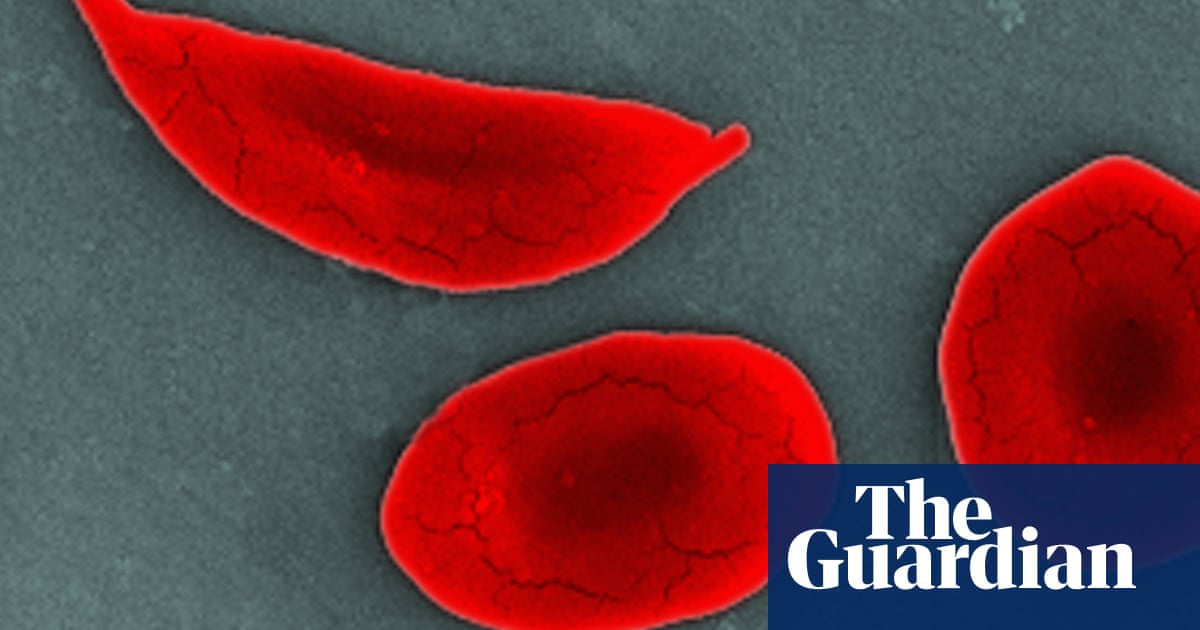
Sickle Cell Care Lags Behind, Report Reveals Stark Disparities
A new study has exposed significant inequalities in how sickle cell disease is treated in the UK. The report highlights a gap in care compared to other genetic disorders, raising serious concerns about patient outcomes and access to vital resources.
Unequal Access and Funding
The research, conducted by Imperial College London for the NHS Race and Health Observatory, examined data from 2010 to 2024. It found that sickle cell care in the UK lags behind that of other genetic disorders, like cystic fibrosis. For instance, there are only 0.5 specialist nurses for every 100 sickle cell patients compared to two per 100 for cystic fibrosis.
The study also showed that funding for cystic fibrosis research is 2.5 times higher than that for sickle cell. This disparity leads to more treatment options and innovative drugs available for cystic fibrosis patients. Hospital admissions for sickle cell rose by 42% from 2013 to 2022, demonstrating the need for increased resources.
Substandard Care and Missed Milestones
The report highlighted that 20% of babies with sickle cell disease were not seen by a specialist within the first three months of life, despite the NHS screening guidelines recommending that 90% should receive care by this time. The median age of death for sickle cell is 47, while it is 48 for cystic fibrosis. A study by the CDC reported that, in 2021, there were 85,000 people living with sickle cell disease in the U.S. (CDC 2021).
Voices from the Community
“These inequalities are stark and, despite being a common genetic disorder, sickle cell has endured years of inadequate attention and investment that has resulted in the experiences we then see play out for people living with the condition.”
—Prof Habib Naqvi, Chief Executive of the Observatory
John James, the chief executive of the Sickle Cell Society, emphasized the significance of the report. He stated that the findings, “makes it impossible for anyone to ignore the existence of deep inequalities faced by people with sickle cell – in healthcare, research funding and wider recognition”.
Hopeful Developments
The NHS England is working on initiatives to enhance sickle cell and thalassemia care. They have introduced digital care plans and launched a campaign to raise awareness about the disease.
The report emphasizes that these disparities persist despite the prevalence of sickle cell disease being similar to other rare genetic disorders. It primarily impacts individuals of African-Caribbean descent. In England, around 17,000 people are living with the inherited blood disorder, with 250 new cases annually.
