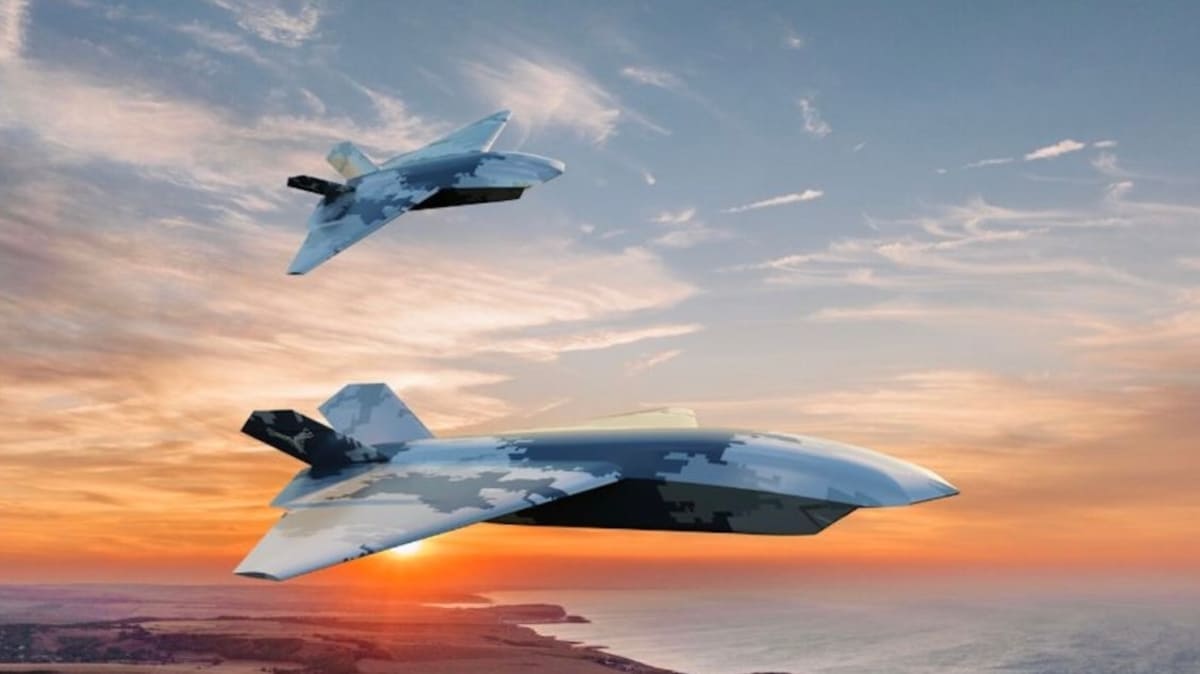
UK Royal Air Force Launches Storm Collaborative Combat Aircraft Program
The Royal Air Force has officially launched the Collaborative Combat Aircraft (CCA) program, codenamed “Storm.”
Strategic Rationale for the Storm Program
The transition toward uncrewed combat platforms reflects a broader shift in Western military doctrine. By integrating autonomous drones, the Royal Air Force (RAF) intends to extend the sensor reach and weapons capacity of its manned fleet without exposing human pilots to high-risk environments. This “loyal wingman” concept—where a drone acts as a force multiplier under the tactical control of a human operator—is designed to overwhelm enemy air defenses through sheer volume and sophisticated electronic warfare.
According to the Ministry of Defence, the “Storm” initiative is not merely about building a drone; it is about building a scalable network. The program focuses on “swarming” capabilities, where multiple units coordinate their actions in real-time, effectively functioning as a single, distributed weapon system. This development is critical for the UK to maintain parity with adversaries who are heavily investing in artificial intelligence and drone-based air superiority.
For private sector contractors and defense technology firms, the “Storm” program represents an urgent push for rapid prototyping. Organizations looking to participate in this supply chain must ensure compliance with stringent cybersecurity and defense-standard manufacturing protocols. Securing a foothold in this sector often requires the guidance of Defense Industry Compliance Consultants, who assist firms in navigating the complex regulatory frameworks governing the export and production of sensitive dual-use technologies.
Integration Challenges and Technological Infrastructure
The primary technical hurdle for the Storm program is the “man-machine teaming” interface. Pilots must be able to command these drones intuitively while managing the high-cognitive load of modern aerial combat. This requires advanced data-link infrastructure, robust machine-learning algorithms for autonomous target acquisition, and hardened communication channels that resist jamming.
The UK’s commitment to the GCAP Tempest program, a trilateral partnership with Italy and Japan, provides the backbone for the Storm project’s integration. As these autonomous assets come online, the infrastructure required to maintain, service, and deploy them will necessitate significant upgrades to existing airbases. This expansion creates an immediate demand for specialized engineering and project management services.
"The challenge lies not just in the hardware, but in the software-defined architecture that allows these systems to evolve faster than the threat environment."
As the Ministry of Defence accelerates the procurement process, contractors and local infrastructure developers are facing a period of intense logistical pressure. Firms that specialize in secure facility construction and high-tech supply chain logistics are essential to meeting these accelerated timelines. Companies currently navigating the tender process for these defense contracts are increasingly relying on Government Procurement Legal Specialists to manage the intricate contractual obligations and liability requirements that come with such high-stakes military projects.
Economic and Regional Impact of the Storm Initiative
The development of the Storm drone is expected to stimulate the UK’s aerospace sector, particularly in the northern regions where much of the GCAP and related manufacturing is concentrated. This influx of government spending is a catalyst for regional economic growth, necessitating a skilled labor force capable of working with proprietary defense systems and advanced composite materials.

However, the rapid scaling of such programs often creates friction with local planning and environmental regulations. Companies moving into these regions to support the production of the Storm drone must balance operational speed with compliance. For businesses expanding their footprint to serve this sector, engaging with Commercial Real Estate and Zoning Attorneys is a common step to ensure that new manufacturing facilities are fully compliant with local industrial codes and long-term infrastructure planning.
The shift to autonomous warfare is not a future projection; it is the current reality of defense spending. As the Ministry of Defence continues to refine the Storm program, the gap between traditional aerospace manufacturing and autonomous systems integration will continue to narrow.
Ultimately, the success of the Storm initiative will depend on the strength of the partnership between the RAF and the private sector. The ability to pivot quickly to meet emerging threats remains the defining characteristic of modern air power. For organizations seeking to align their operations with these strategic shifts, the window to integrate into this evolving defense ecosystem is narrowing, and the necessity for expert guidance has never been more critical.