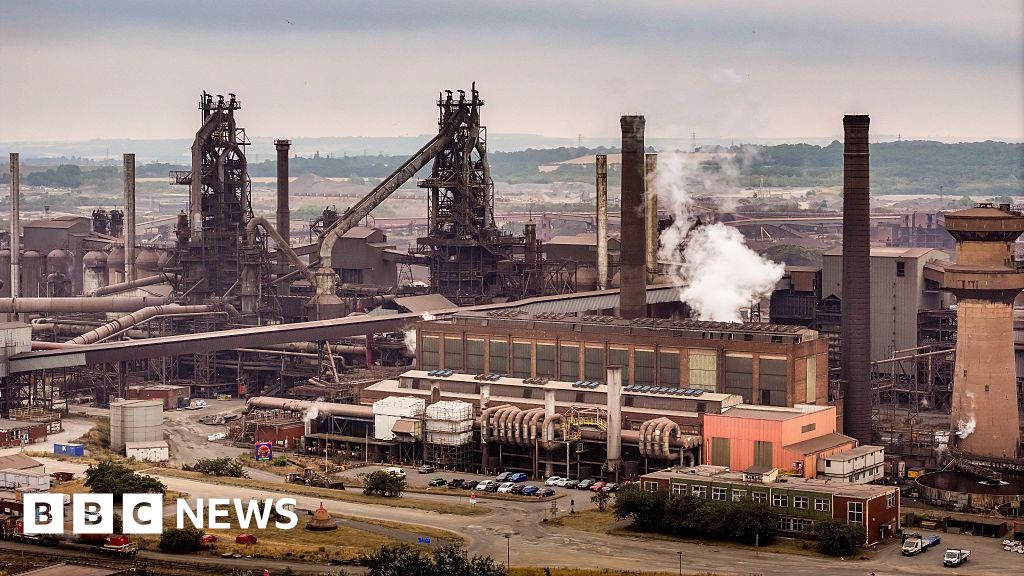
UK Nationalizes British Steel to Protect Vital Supply Amid China Backlash
The British government has completed the nationalization of British Steel, citing the protection of critical domestic supply chains as the primary driver for the intervention. Beijing has formally criticized the move, raising concerns regarding international trade obligations and market interference as the UK moves to stabilize its industrial infrastructure.
Strategic Resource Control and the Sovereign Shift
The move to bring British Steel into public ownership marks a departure from standard market-led industrial policy in the United Kingdom. Per the official government mandate, the decision was necessitated by the need to secure a “vital” domestic supply of steel for infrastructure and defense projects. This shift arrives as global commodity markets face sustained volatility, forcing governments to weigh the cost of state subsidies against the risks of supply chain fragility.
Market Volatility and the Investor Outlook
The nationalization has caused immediate ripples across equity markets. Analysts monitoring the sector point to the potential for market distortion, particularly for private competitors like SSAB, whose stock performance has been closely tracked by investors assessing the new competitive landscape.
Corporate entities operating in the manufacturing and industrial space now face a complex regulatory environment. Firms are increasingly turning to specialized trade law firms to navigate the shifting landscape of anti-subsidy investigations and import tariffs. Without clear guidance on how state-run entities will price their outputs, private mid-market players are finding it difficult to project EBITDA margins for the next four fiscal quarters.
The Operational Hurdle: Managing State-Led Assets
Transitioning a major industrial mill into the public sector is a multi-layered logistical challenge. It requires a total overhaul of the existing governance structure and the implementation of rigorous internal controls to prevent fiscal leakage. The current situation demands a level of transparency that standard private firms rarely provide to the public, creating an opening for operational management consultants to step in and stabilize production workflows.
The core issue for stakeholders remains liquidity. Maintaining a legacy steel mill requires massive, consistent capital injections to address aging machinery and energy-intensive production cycles. As the UK government assumes these liabilities, it must also manage the political fallout of potential future bailouts. Institutional investors are watching the debt-to-equity ratios of the new entity closely; any sign of inefficiency could signal a long-term drag on the UK’s industrial productivity metrics.
Navigating the New Industrial Reality
The friction between the UK’s nationalization strategy and China’s trade objections is not merely a diplomatic spat; it is a signal of the hardening of global trade borders. For industrial firms, the era of relying on fluid, borderless supply chains is effectively over. Companies that fail to model their cost structures against these political variables are at a significant disadvantage.
As the market adjusts to the presence of a state-owned titan in the British steel sector, the priority for private firms must be agility. Whether through defensive M&A, supply chain diversification, or leveraging specialized risk assessment services, businesses must prepare for a period of prolonged uncertainty. The trajectory of the UK steel sector suggests that the state will play a larger role in industrial outcomes for the foreseeable future, making it imperative for corporate leadership to align their strategy with these new, state-dominated realities. For firms looking to mitigate the risks associated with this shift, exploring partnerships with vetted specialists in industrial policy and risk mitigation remains the most pragmatic path forward.