
UK Contacts 100,000 Reservists in Largest Mobilization Prep Since Cold War
The British Ministry of Defence has contacted approximately 100,000 military reservists to update their details and prepare for potential wartime mobilization, according to reports first appearing on Thursday.
This campaign, which involves former personnel from the Army, Royal Navy, and Royal Air Force, is described as the largest readiness effort of its kind since the Cold War.
Defence Secretary Wes Streeting characterized the outreach as “a sensible, necessary precaution” given the current geopolitical climate, specifically citing Russian actions in Europe. During an interview with Sky News, Streeting said that the government is not facing an imminent war but must act in a “heightened threat environment.”
When pressed on the specific age limits for potential recall, the Defence Secretary acknowledged, “I don’t know the number off the top of my head.” He added that the government would not be “mobilising pensioners.” Streeting also said that the exercise “should be routine, but hasn’t happened for some time.”
The Ministry of Defence letters invite strategic reservists to volunteer for training and exercises, including NATO’s Steadfast Defender exercise.
Around 100,000 former regulars across the Army, Royal Navy and RAF received the letters signed by the three service chiefs. He added the outreach is simply good housekeeping to keep contact details and skills data current.
The MoD said the funding will create around 3,000 new roles, primarily in Plymouth, Clyde and Bristol, plus 2,500 apprentice and graduate opportunities. Officials stated the move ensures a depth of resilience and addresses NATO Article 3 requirements for collective capacity to resist armed attack.
London also announced a further £260 million military aid package for Ukraine last week, including 1,000 British-built long-range drones, bringing total commitments since 2022 to £35.5 billion.
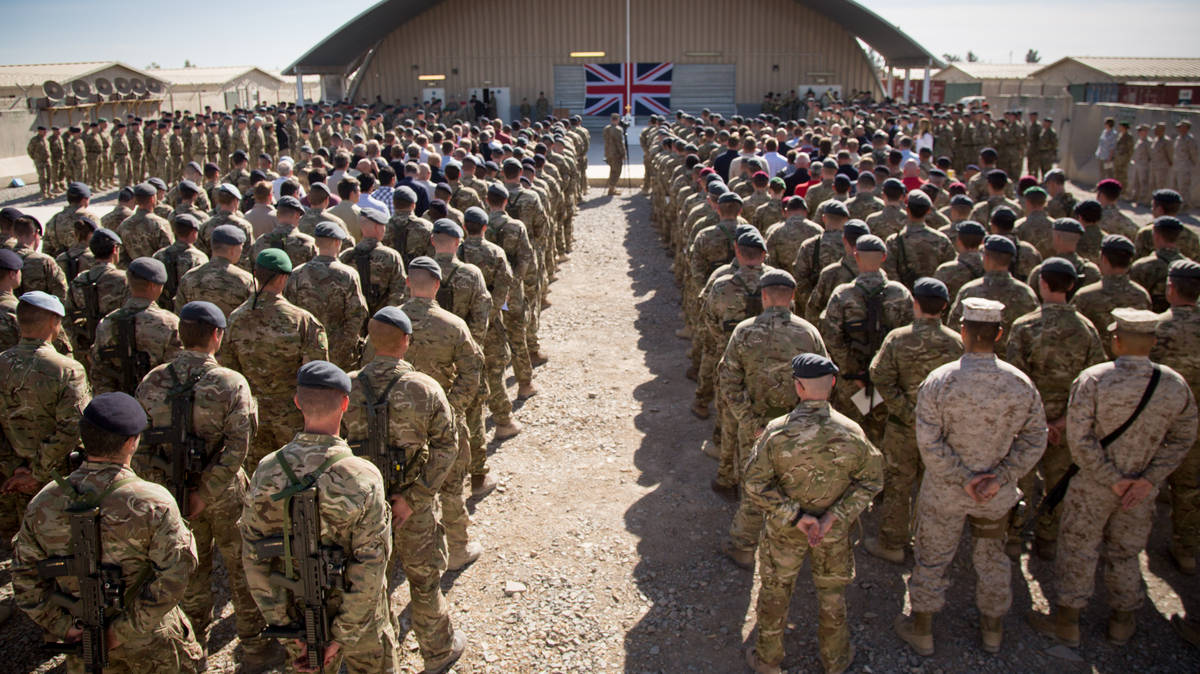
The mobilization preparations coincide with a broader push to bolster national defense capabilities. The government recently announced an £8 billion investment to upgrade submarine availability and naval base services, a move expected to create 3,000 jobs. This investment is intended to ensure a “depth” of resilience in Britain’s defenses and help the nation meet the requirements of Article 3 of the North Atlantic Treaty Organisation (NATO), which mandates that member states maintain the capacity to resist armed attack.
This comes as the British military faces personnel shortages; official figures from July 1, 2026, placed the Regular Army at 73,660 members, with Army Full-Time Trade Trained Strength at 70,950, according to The National Pulse. The 2025 Strategic Defence Review stated the Army should have “a minimum of 100,000 soldiers, of which 73,000 are Regular.”
| Measure | Details |
|---|---|
| Defense Spending | 2.7% of GDP in 2027-28; target 3% by 2030 |
| Ukraine Aid | £35.5 billion committed since 2022 |
| Public Impact | 55% of adults reported increased living costs in August |
In October, Streeting wrote that his “defining priority” was “to make sure that this country is ready to fight and win a war.” Streeting previously stated, “To prevent the worst, we have to prepare for it.”