
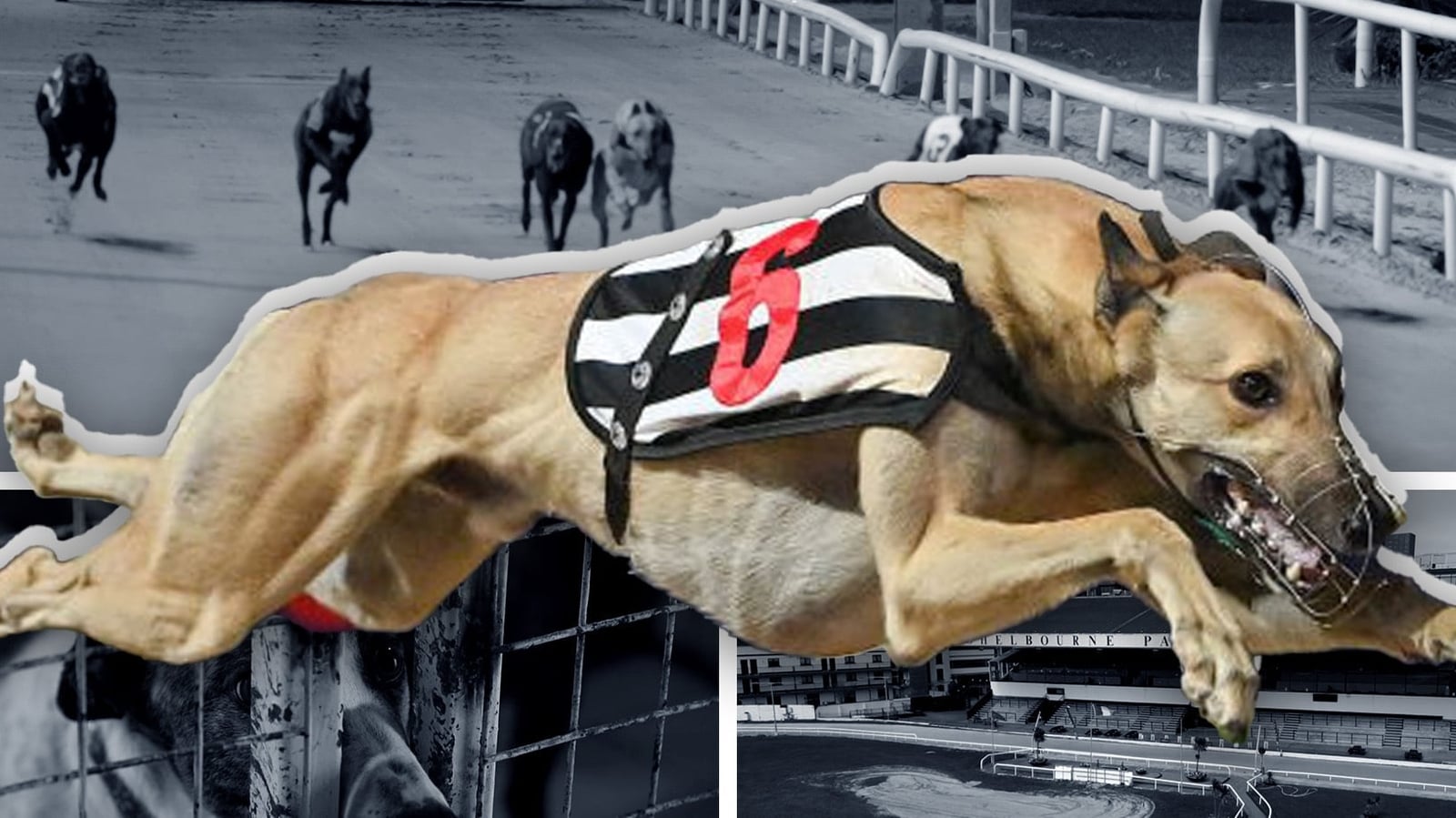
UK bans reignite debate over greyhound racing in Ireland
The UK’s recent bans on greyhound racing in Scotland and Wales have intensified pressure on the Irish government to follow suit, yet Minister Martin Heydon has firmly rejected a prohibition. Even as the industry defends its safety record and economic contribution, animal welfare groups cite catastrophic injury rates and overbreeding as critical failures. This geopolitical divergence creates immediate legal and operational uncertainty for stakeholders across the Irish racing sector.
The political landscape shifted dramatically this month. As the parliaments in Edinburgh and Cardiff moved to outlaw the sport entirely, the spotlight swung violently toward Dublin. It is a classic case of regulatory divergence. One island, two distinct legal futures.
Tim Lucey, the Chief Executive of Greyhound Racing Ireland (GRI), remains defiant. He views the UK decisions as isolated events that do not reflect the robust nature of the Irish industry. “There is a particularly strong industry here and there is no comparison,” Lucey stated during a recent broadcast. He points to a network of 15 stadiums in the Republic and two in the North, supported by a dedicated workforce and a deep cultural history dating back to the first race at Shelbourne Park in 1927.
Yet, the opposition is equally entrenched. Solidarity-People Before Profit TD Ruth Coppinger has formally questioned the government’s stance, demanding alignment with neighboring jurisdictions. The core of the argument rests on welfare. Critics, including Geraldine Gunning of Limerick Animal Welfare, describe the sport as inherently cruel, pointing to sharp track bends and high-speed collisions that result in broken limbs and immediate euthanasia.
The Economic Reality vs. Ethical Cost
Beneath the moral debate lies a complex financial structure. The Irish government allocated €99.1 million to the Horse and Greyhound Fund in the most recent budget. Of this, the greyhound sector received nearly €20 million. This state subsidy is the lifeblood of the sport. Without it, the model collapses.

Lucey admits the dependency. “I feel it would be challenging, obviously very challenging,” he conceded regarding a reduction in state funding. The industry argues it generates revenue through catering, entertainment, and the Tote, but the gap between operational costs and income is bridged by the taxpayer.
This reliance creates a vulnerability. If public sentiment shifts further against animal sports, the political cost of maintaining this subsidy rises. We are seeing a trend where Department of Agriculture policies are increasingly scrutinized through an environmental and ethical lens. The question is no longer just about the dogs; it is about the sustainability of state-backed industries in a modern economy.
“The legal landscape regarding animal sentience is evolving rapidly across the EU. Ireland may find itself out of step with broader European directives within the next decade, regardless of current domestic political will.”
Dr. Elena Rossi, a specialist in European Animal Law based in Brussels, suggests that the pressure is structural, not just political. “While Ireland maintains sovereignty over its racing laws, the European Union is moving toward stricter welfare standards. The definition of ‘sport’ involving animals is being legally challenged in higher courts,” Rossi noted. This external pressure could force a legislative review that domestic politics alone might not trigger.
The Welfare Gap and Rehoming Logistics
The most visceral element of this debate is the fate of the dogs. A 2019 investigation alleged that up to 6,000 greyhounds were killed annually due to lack of speed. The GRI disputes this, claiming the number is now under half that figure and that 99.63% of race entries leave the track uninjured.
Yet, the issue of retirement remains. The Irish Retired Greyhound Trust (IRGT) rehomes between 1,000 and 2,000 dogs a year. But what happens to the rest? Paul O’Riordan, founder of the rescue charity Great Hounds in Need, highlights the issue of overbreeding. “In any litter, there’ll be six to nine dogs. You might get one good one, and the rest, they get wasted.”
This surplus creates a logistical nightmare for welfare organizations. Rehoming is not just an act of kindness; it is a complex operation involving veterinary checks, transport logistics, and international compliance. Organizations managing these efforts often require specialized non-profit management consulting to handle the scale of intake and the legalities of cross-border animal transport, particularly to countries like Italy and Germany where demand is high.
the medical needs of retired racers are specific. Years of high-intensity sprinting leave a legacy of orthopedic issues. Ensuring these animals have a quality life post-racing requires more than general care; it demands specialized veterinary services capable of managing chronic injuries and rehabilitation. The directory notes a growing sector of veterinary professionals dedicated specifically to ex-racing canine care, bridging the gap between industry exit and pet adoption.
Legal Implications for Track Owners
For the business owners operating the 17 tracks across the island, the uncertainty is a commercial risk. While a ban is not imminent, the “shadow of regulation” affects investment. Why invest in facility upgrades if the license to operate could be revoked in five years?

This environment necessitates strategic planning. Business leaders in the sector are increasingly turning to commercial restructuring advisors to diversify revenue streams beyond racing. The goal is to transform tracks into multi-leverage entertainment venues, reducing reliance on the sport itself and insulating the business against potential legislative shocks.
The data suggests a fracture. The GRI claims to track every dog via microchip, updating records every 42 days. Welfare groups dispute the accuracy of these records, arguing that “humane destruction” is often a euphemism for culling unwanted stock. Until an independent, third-party audit of these lifecycle records is conducted—a move often championed by animal welfare legal experts—the trust deficit will remain.
The Road Ahead
As of March 31, 2026, the sport continues. Minister Heydon has drawn a line in the sand. But lines can be moved. The centenary of greyhound racing in Ireland approaches in 2027, a milestone the industry hopes to celebrate. Welfare campaigners hope to see it marked by a transition plan toward extinction of the sport.
The divergence between the UK and Ireland creates a unique case study in regulatory policy. It forces a confrontation between tradition and evolving ethical standards. For the stakeholders involved—from the breeders in Limerick to the rescue volunteers in Tipperary—the next few years will define the industry’s lifespan.
Whether you are a business owner navigating these regulatory shifts, a legal professional advising on compliance, or a welfare organization seeking to expand capacity, the landscape is changing. The World Today News Directory connects you with the verified professionals and organizations equipped to handle these complex transitions. In a world where policy can change overnight, having the right partners is not just an advantage; it is a necessity.