UHN Cardiac College Empowers Stroke Recovery Through Online Resources
Canada Cardiac Rehab Reach
Every five minutes, someone in Canada experiences a stroke, making long-term recovery support a critical public health priority according to data highlighted by the UHN Foundation. For survivors, the post-stroke phase involves managing physical impairments, sleep disorders, and post-stroke fatigue. To address these challenges, the UHN Foundation reported that a donor-supported program at UHN helps individuals access cardiac rehabilitation tools designed to keep patients active, informed, and engaged.
-
Key Clinical Takeaways:
- UHN Rehab’s Cardiovascular Prevention and Rehabilitation Program serves over 2,000 people annually, focusing on lifestyle changes to prevent major heart events and stroke recurrence.
- The online platform Cardiac College was originally built for cardiac patients and now features a specialized program called Stroke Online.
- Stroke Online provides tailored resources, including aerobic routines, strength-training programs, and seated exercises designed for individuals with physical impairments.
UHN Program Helps 2,000 Participants Manage Cardiovascular Health
The comprehensive initiative operating at UHN reaches more than 2,000 participants annually. The structured environment guides patients through long-lasting lifestyle modifications aimed at preventing subsequent cardiac episodes and stroke events. Rehabilitation within this framework extends past physical healing from an acute injury. Clinicians focus on empowering individuals with the practical knowledge, skills, and self-efficacy required to manage their cardiovascular health independently.
Cardiac College Online Resource Expansion
Recognizing that patients frequently experience informational overload following a major medical event, the team behind Cardiac College developed a digital delivery model. Important clinical guidance provided during hospital appointments can prove difficult for recovering individuals to retain. By transitioning educational materials online, the program allows patients to access reliable information concerning healthy living, exercise protocols, prescribed medications, and risk-factor management at their own pace.
Stroke Online Adaptation for Survivors
The digital platform’s reach now extends directly to stroke recovery through a specialized module titled Stroke Online. This component equips stroke survivors with structured guidance to safely initiate and maintain physical exercise regimens. Participants learn to adopt health-promoting habits encompassing proper nutrition and sleep hygiene while building a better understanding of factors influencing long-term recovery. The resource also addresses complex post-stroke symptoms, including chronic fatigue and sleep disorders, alongside comprehensive education on common medications prescribed post-stroke.
Tailored Exercise Modalities for Varied Abilities
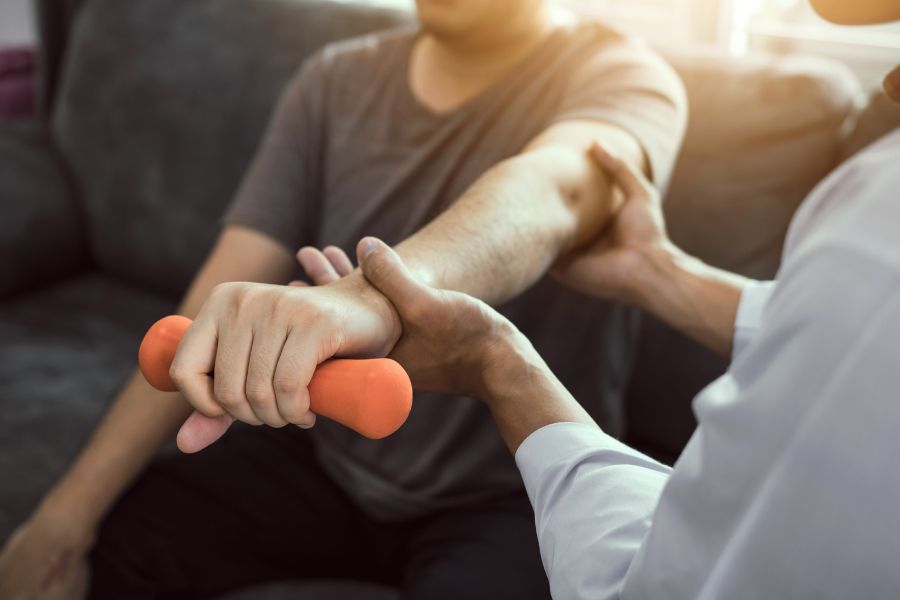
Physical activity recommendations within Stroke Online accommodate a broad spectrum of patient capabilities. The platform features targeted aerobic and strength-training programs alongside seated exercises and modified movements specifically engineered for individuals living with residual physical impairments following a stroke. These adaptive options help participants build physical confidence while learning how to execute exercise routines safely and effectively outside of a traditional clinical setting.
Philanthropic Contributions Expand Access to Digital Health Tools
The continuous development and broad availability of these digital health tools rely on philanthropic contributions. Donor funding enables the expansion of innovative educational resources, extending the clinical expertise of UHN far beyond hospital walls. For stroke survivors and their families, barrier-free access to verified recovery information bridges the gap between acute discharge and long-term community management.
Disclaimer: The information provided in this article is for educational and scientific communication purposes only and does not constitute medical advice. Always consult with a qualified healthcare provider regarding any medical condition, diagnosis, or treatment plan.