
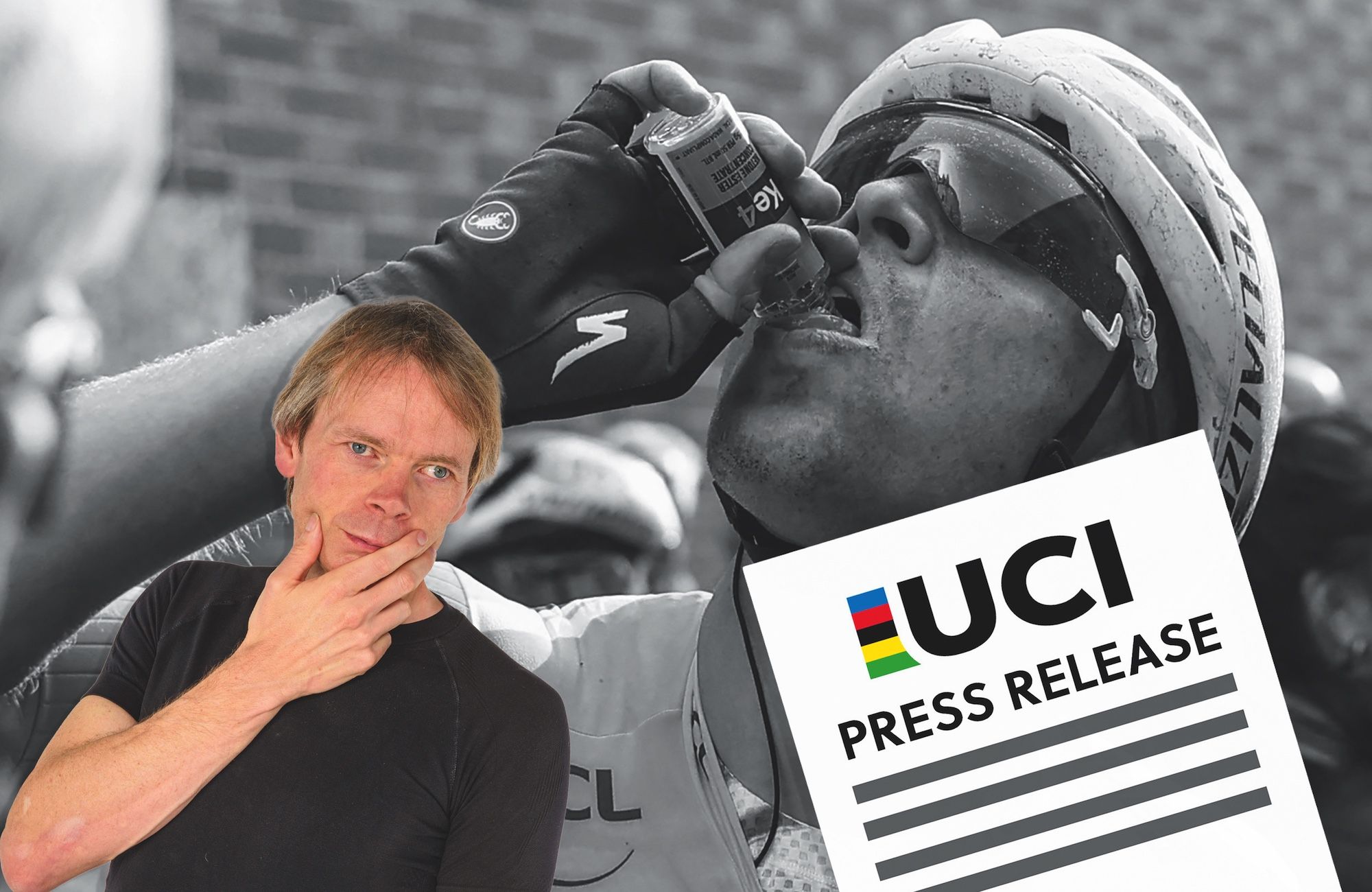
UCI & Ketone Drinks: Cycling’s Latest ‘Grey Area’ Explained
The Union Cycliste Internationale (UCI), cycling’s governing body, issued a statement last October advising against the use of ketone supplements by professional cyclists, citing a lack of evidence supporting performance or recovery benefits. The announcement, described as “odd” by Cycling Weekly, has sparked debate within the sport, raising questions about the UCI’s role in regulating athlete nutrition and the ambiguity of “grey areas” in anti-doping regulations.
Ketone supplements, which introduce ketone bodies into the body, gained prominence after a 2016 study suggested they could improve cycling performance. However, subsequent research has yielded conflicting results. The UCI’s statement acknowledges initial findings indicating potential benefits, particularly in post-exercise recovery through faster muscle glycogen resynthesis and increased erythropoietin (EPO) production. However, the organization now points to more recent, “comprehensive, high-quality” research demonstrating no positive effect on recovery.
Despite finding no performance enhancement, the UCI stopped short of banning ketone supplements. Instead, it simply “does not recommend” their inclusion in riders’ nutritional plans. This position has drawn criticism from within the cycling community. Dr. Michael Hutchinson, a columnist for Cycling Weekly, argued that the UCI’s role should be limited to establishing clear regulations, not offering nutritional advice. He likened the UCI’s recommendation to “that bloke in the club who paid £25 for a certificate that he thinks makes him a nutritionist.”
The UCI’s stance has also been criticized for creating a “grey area,” where a substance is neither prohibited nor explicitly endorsed. VeloNews reported that the MPCC (Mouvement Pour le Cyclisme Propre), an anti-doping group, expressed concern that the UCI’s position allows for ambiguity, potentially enabling riders to exploit loopholes. The MPCC warned that this approach allows some to believe “everything that is not forbidden is allowed.”
The debate over ketones mirrors past controversies surrounding substances like tramadol, a painkiller that was legal for years despite concerns about its potential for abuse. Hutchinson argues that the focus should be on clear rules, rather than attempting to define ambiguous areas. He suggests that perceived “grey areas” often stem from disagreements about what the rules *should* be, rather than inherent ambiguities within the regulations themselves.
The UCI’s statement comes in response to a proposed ban on ketone drinks, finding no performance enhancing effect to justify such a measure. The organization’s position leaves the future of ketone supplementation in professional cycling uncertain, with riders continuing to use the supplements despite the UCI’s non-recommendation. As of late March 2026, the UCI has not indicated any plans to revisit its position or implement stricter regulations regarding ketone use.