
UAE to Join Force to Reopen Strait of Hormuz | Reuters
UAE Signals Readiness to Bolster Strait of Hormuz Security Amid Rising Tensions
The United Arab Emirates has indicated its willingness to participate in an international maritime force aimed at ensuring the safe passage of vessels through the Strait of Hormuz, according to reports from the Financial Times. This move, announced on March 27, 2026, comes as regional anxieties escalate over potential disruptions to global oil supplies and maritime trade due to ongoing geopolitical instability and escalating conflicts in the region. The UAE’s potential involvement represents a significant shift in its approach to regional security and could have far-reaching consequences for international shipping and energy markets.
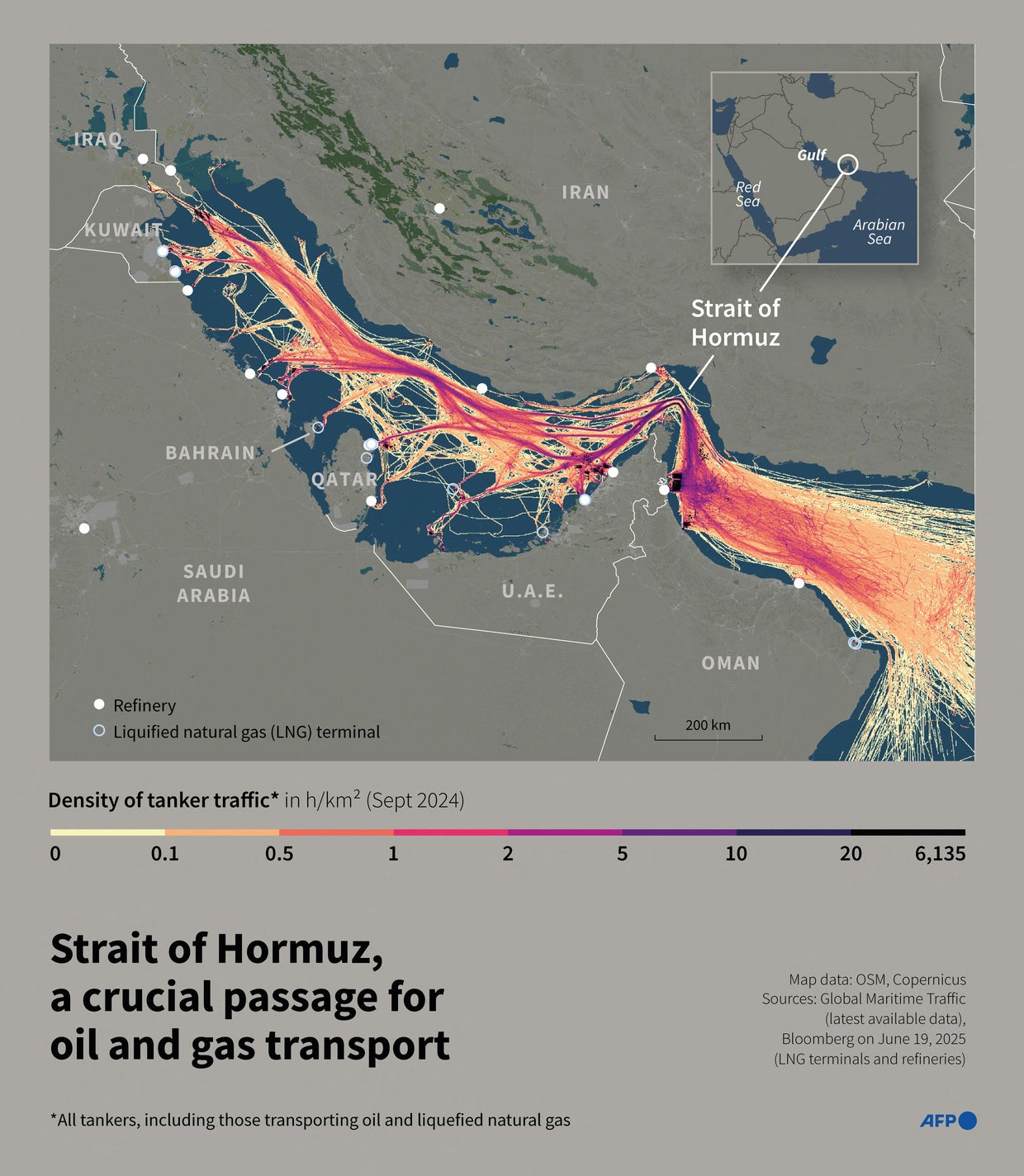
The Strait of Hormuz, a narrow waterway connecting the Persian Gulf to the Gulf of Oman and the Arabian Sea, is one of the world’s most strategically important chokepoints. Approximately 20% of global oil consumption passes through this vital artery. Recent escalations involving Iran and its proxies have raised concerns about potential attacks on shipping, mirroring past incidents that have sent oil prices soaring. The possibility of a blockade, even a temporary one, could cripple global energy supplies and trigger a significant economic downturn.
Historical Precedents and the Current Security Landscape
This isn’t the first time the international community has considered bolstering security in the Strait of Hormuz. Following attacks on oil tankers in 2019, the United States launched Operation Sentinel, a multinational maritime security initiative. However, it faced limited participation from key regional players. The current situation differs due to a perceived increase in the direct threat posed by Iranian-backed forces. The Houthis in Yemen, for example, have repeatedly targeted commercial vessels in the Red Sea, demonstrating a willingness to disrupt maritime trade. The Council on Foreign Relations provides detailed analysis of Iran’s regional influence.
The UAE’s willingness to join a potential force is a notable departure from its previous reluctance to become directly involved in regional military coalitions. Historically, the UAE has favored a diplomatic approach, prioritizing de-escalation and dialogue. However, the increasing frequency and boldness of attacks, coupled with concerns about the security of its own critical infrastructure, appear to have prompted a reassessment of its security posture.
But what does this mean for businesses operating in the region? The immediate impact is increased insurance premiums for shipping companies traversing the Strait. Longer-term, it could lead to a diversification of shipping routes, potentially benefiting ports in other regions.
“The UAE recognizes the critical importance of maintaining freedom of navigation in the Strait of Hormuz, not just for its own economic interests, but for the stability of the global economy. A collaborative, international approach is essential to deterring aggression and ensuring the uninterrupted flow of trade.”
— Dr. Fatima Al-Jaber, Director of Strategic Studies, Emirates Policy Center (translated from Arabic).
The Economic Implications and Potential for Escalation
The economic ramifications of a disruption to the Strait of Hormuz are substantial. Beyond the immediate impact on oil prices, a prolonged closure could lead to supply chain bottlenecks, increased inflation, and a slowdown in global economic growth. The U.S. Energy Information Administration offers detailed data on global oil transit chokepoints. The UAE, as a major oil producer and trading hub, is particularly vulnerable to such disruptions.
However, the formation of an international force also carries the risk of escalation. Iran has consistently warned against any foreign military intervention in the region, and any attempt to enforce a security cordon around the Strait could be viewed as a provocative act. This could lead to a direct confrontation between Iran and the international force, with potentially catastrophic consequences.
The situation is further complicated by the involvement of other regional actors, including Saudi Arabia, Oman, and Qatar. These countries all have vested interests in maintaining the security of the Strait, but they also have differing relationships with Iran. A successful security initiative will require a high degree of coordination and cooperation among all stakeholders.
The legal complexities surrounding any military intervention in the Strait of Hormuz are also significant. International law permits states to grab action in self-defense, but the threshold for invoking this right is high. Any military operation would need to be carefully justified under international law to avoid accusations of aggression. Businesses operating in the region should consult with international maritime law experts to understand the legal implications of the evolving security situation.
Navigating the Risks: A Call for Proactive Risk Management
The UAE’s potential involvement in a maritime security force underscores the growing need for proactive risk management strategies for businesses operating in the Middle East. Companies should conduct thorough risk assessments, develop contingency plans, and invest in robust security measures.
This includes diversifying supply chains, securing insurance coverage, and establishing clear communication protocols. Businesses should closely monitor the political and security situation in the region and be prepared to adapt their operations accordingly.
The potential for cyberattacks also remains a significant concern. Critical infrastructure, including ports and oil facilities, are increasingly vulnerable to cyber threats. Companies should invest in cybersecurity measures to protect their assets and data. Cybersecurity consulting firms specializing in critical infrastructure protection are in high demand.
The situation also highlights the importance of political risk insurance. Companies operating in politically unstable regions should consider purchasing insurance to protect against losses resulting from political violence, expropriation, and other risks.
The UAE’s willingness to contribute to a maritime security force is a significant development with potentially far-reaching consequences. While it could help to deter aggression and ensure the safe passage of vessels through the Strait of Hormuz, it also carries the risk of escalation. Businesses operating in the region must be prepared to navigate these challenges and proactively manage their risks.
The need for comprehensive security solutions is paramount. Organizations specializing in regional security risk assessments are crucial for businesses seeking to understand and mitigate the evolving threats.
The coming months will be critical in determining the future of maritime security in the Strait of Hormuz. The international community must perform together to locate a peaceful and sustainable solution that protects the interests of all stakeholders. Ignoring the warning signs now could lead to a crisis with global repercussions.
The situation demands vigilance, strategic foresight, and a commitment to collaborative security. The World Today News Directory remains dedicated to providing you with the latest information and connecting you with the verified professionals you need to navigate this complex landscape.