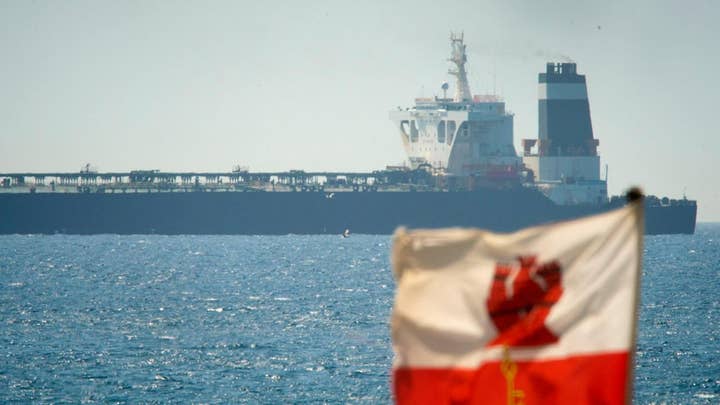
UAE quits OPEC and OPEC+ over Strait of Hormuz oil disruptions
The announcement sent ripples through global markets. On April 28, the UAE’s state-run news agency confirmed its departure from OPEC and the broader OPEC+ alliance, effective May 1. The decision came as disruptions in the Strait of Hormuz—through which a significant share of the world’s crude oil and liquefied natural gas flows—had already constrained exports, adding to economic uncertainty. The UAE’s move added another layer of complexity to an already tense situation.
The Strait of Hormuz: A Chokepoint in More Ways Than One
The Strait of Hormuz has long been a geopolitical flashpoint, but recent developments have intensified its role as an economic constraint. Iranian naval activity in the waterway has disrupted shipping, forcing tankers to seek alternative routes or suspend operations. For the UAE, whose economy depends heavily on oil exports, these disruptions pose a significant challenge. The country’s decision to leave OPEC is closely tied to this reality. As officials have noted, the situation extends beyond production quotas—it raises questions about economic survival in a constrained environment.
Anwar Gargash, the UAE’s diplomatic adviser, addressed these concerns at the Gulf Influencers Forum shortly before the announcement. His remarks highlighted frustrations with regional dynamics, particularly the perceived lack of support from fellow Gulf states. While the UAE’s leadership has emphasized its commitment to regional stability, the decision to leave OPEC suggests a recalibration of priorities in response to evolving circumstances.
The market reaction was immediate. U.S. crude oil prices, which had already risen earlier in the month, climbed further in early trading. Brent crude, the international benchmark, reached levels not seen in recent months. Analysts had previously viewed certain price thresholds as psychological barriers, but the UAE’s exit disrupted those expectations. The move underscored the country’s intent to pursue a more independent energy policy, free from the constraints of cartel agreements.
OPEC’s Existential Crisis: More Than Just a Membership Loss
The UAE’s departure represents a major development for OPEC, marking a notable shift in the organization’s composition. The UAE had been one of OPEC’s key producers, contributing a meaningful share of the cartel’s output. Its exit raises questions about OPEC’s ability to maintain influence over global oil prices, particularly as internal divisions have become more pronounced in recent years.
The UAE’s energy ministry framed the decision as a response to evolving market conditions, expressing appreciation for OPEC’s efforts while emphasizing the need to prioritize national interests. The timing of the announcement—amid regional tensions and disruptions in the Strait of Hormuz—suggests a broader strategic calculation. The UAE’s leadership has indicated that the country is adjusting its energy strategy to better align with its long-term goals.
For OPEC, the stakes are high. The organization has historically relied on coordinated production cuts to stabilize prices, but internal disagreements have weakened its cohesion. The UAE’s exit could encourage other members to seek greater flexibility, further challenging OPEC’s ability to act as a unified force. As energy analysts have observed, the departure raises questions about the cartel’s future role in shaping global oil markets.
The UAE’s Calculus: Flexibility Over Loyalty
The UAE’s decision to leave OPEC reflects a broader shift in its economic and strategic priorities. Over the past decade, the country has invested heavily in diversifying its economy, reducing its reliance on oil revenues. Abu Dhabi’s sovereign wealth fund, Mubadala, has directed significant resources toward technology, renewable energy, and infrastructure, positioning the UAE as a regional leader in innovation and trade. The leadership has made it clear that the country’s future extends beyond oil, and that future requires adaptability.
By exiting OPEC, the UAE gains the ability to adjust production without the constraints of cartel quotas. Officials have stated that the country will continue to act responsibly, increasing output in a gradual and measured manner aligned with market conditions. This approach suggests a strategic effort to position the UAE as a reliable supplier in an unpredictable environment, rather than a move to flood the market with oil.
However, the situation in the Strait of Hormuz complicates these plans. Even with increased production, the UAE’s ability to export oil remains constrained by geopolitical factors. The country’s leadership has acknowledged that near-term volatility, including disruptions in the Arabian Gulf and the Strait, continues to affect supply dynamics. While the UAE may have gained production flexibility, it still operates within a challenging environment.
What’s Next: The Domino Effect and the U.S. Role
The UAE’s exit from OPEC raises questions about whether other members might follow suit. Previous departures, such as Qatar’s, had already signaled growing dissatisfaction within the organization. Other Gulf states, including those with differing priorities, may now reassess their own membership. If additional countries leave, OPEC’s influence could diminish further.
The U.S. response will also play a critical role. American officials have previously expressed concerns about OPEC’s impact on global energy markets. The UAE’s exit could prompt a reevaluation of U.S. policy, particularly as it seeks to address regional instability and its effects on oil supplies. However, the U.S. must also balance its energy objectives with broader diplomatic and security considerations in the Gulf.
For now, the focus remains on the immediate market impact. Oil prices have risen, and investors are preparing for further volatility. The UAE’s next steps will be closely monitored, particularly its commitment to increasing production. If the country follows through, it could reshape supply dynamics, positioning itself as a key player outside the OPEC framework. However, if disruptions in the Strait of Hormuz persist, the UAE’s ability to deliver on its plans will be limited.
One thing is clear: the UAE’s exit from OPEC carries significant implications. For OPEC, it represents a challenge to its credibility. For the Gulf, it reflects shifting priorities. And for global energy markets, it signals a potential shift in the established order.
What to Watch: The Signals That Will Define the Next Phase
The coming weeks will reveal whether the UAE’s exit marks an isolated event or the beginning of a broader trend.
1. The UAE’s Production Moves. The country has indicated plans to increase output in a gradual and measured manner. The pace of these increases will be critical. A rapid ramp-up could trigger market reactions, particularly if other producers respond. A more cautious approach may stabilize prices but will test the UAE’s ability to meet its commitments as a reliable supplier.
2. OPEC’s Next Meeting. The cartel’s upcoming meeting will be a test of its unity. Will remaining members present a cohesive strategy, or will internal divisions become more pronounced? The UAE’s absence will be felt, but OPEC’s response will determine whether the departure is a temporary setback or a sign of deeper challenges.
3. The Strait of Hormuz. The status of the waterway remains a critical factor. If disruptions ease, the UAE’s ability to export oil will improve, enhancing its market position. If restrictions tighten, the country’s production increases may have limited impact in the short term. The Strait’s status will shape not only the UAE’s strategy but also the broader economic outlook for the Gulf.
4. U.S. Policy Shifts. The Biden administration’s approach to the Iran situation and its broader energy strategy will be closely watched. The U.S. has previously signaled concerns about OPEC’s influence, and the UAE’s exit could prompt further policy adjustments. Whether the U.S. pursues additional sanctions, seeks diplomatic solutions, or takes other steps will have direct implications for global oil supplies and prices.
5. Long-Term Energy Demand. The UAE’s leadership has noted that global energy demand is expected to grow over the medium to long term. However, this growth is not guaranteed. The accelerating shift toward renewable energy, particularly in Europe and Asia, could reduce reliance on oil in the coming decades. The UAE’s strategy assumes sustained demand, but if the energy transition accelerates, the country’s plans could face new challenges.
The UAE’s exit from OPEC marks a turning point for the global energy market. It underscores the interplay between geopolitics and economics in shaping oil prices and highlights the evolving dynamics of the Gulf region. Whether this signals the beginning of a new era or another chapter in a long-standing narrative remains to be seen.