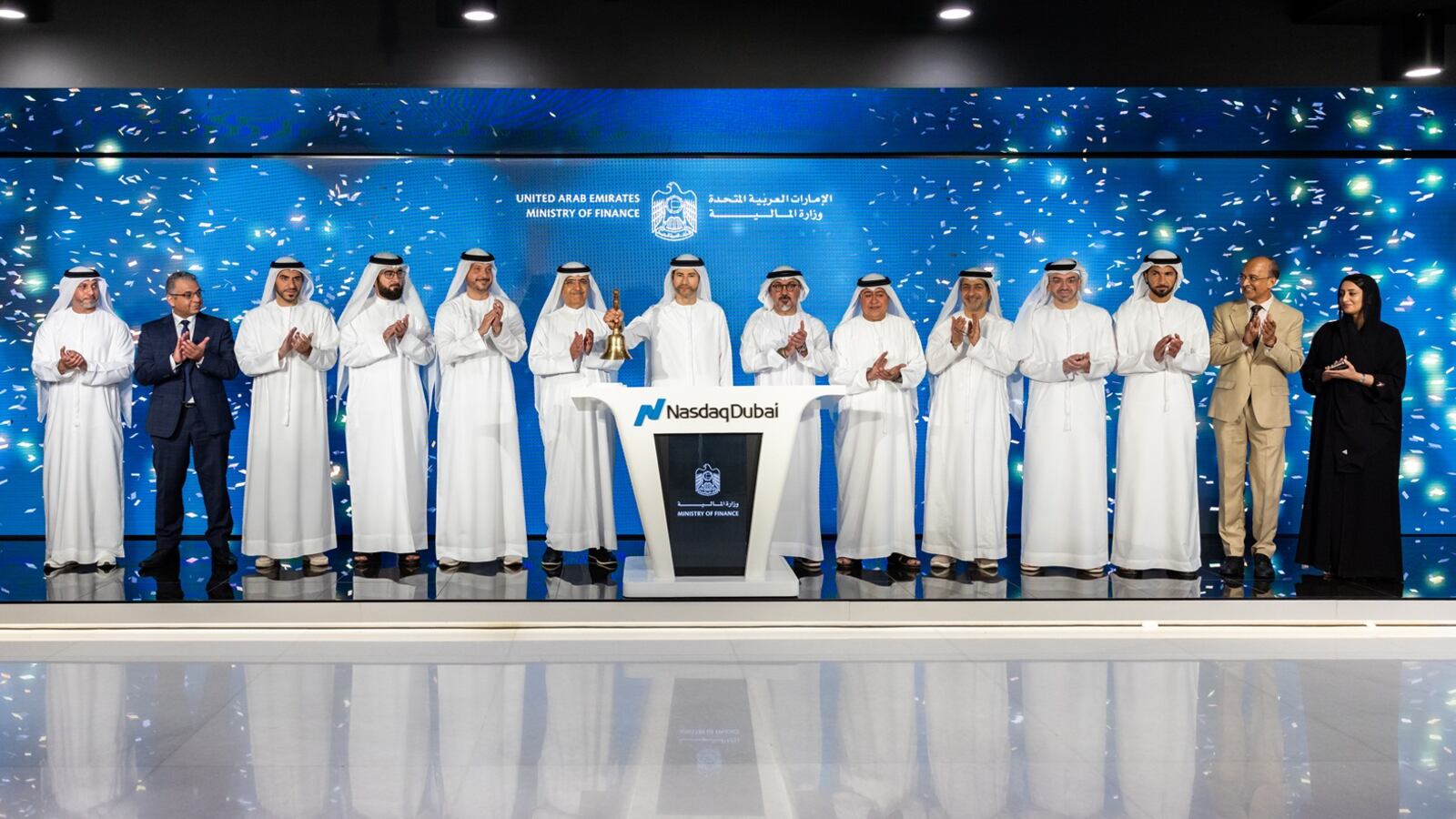
UAE Finance Ministry Doubles First Retail Sukuk Issuance After Overwhelming Demand
The United Arab Emirates Ministry of Finance doubled its first sovereign retail sukuk issuance after receiving Dh445 million in orders. The Islamic bonds, which initially offered Dh50 million, saw demand reach nine times the original offering size, driven largely by women and investors under 25.
This surge in retail interest signals a shift in the Gulf’s financial landscape. Traditionally, sovereign sukuk—Islamic bonds that avoid interest in compliance with Sharia law—were the domain of institutional giants and ultra-high-net-worth individuals. By lowering the barrier to entry, the UAE government has effectively democratized access to sovereign debt instruments.
The demand creates a specific pressure point for new investors. Thousands of citizens and residents are now entering the fixed-income market for the first time, often without a comprehensive understanding of Sharia-compliant portfolio management. This sudden influx of retail capital necessitates a surge in professional guidance from [Financial Advisory Services] to ensure these new investors balance their portfolios against inflation and liquidity risks.
Who drove the demand for the UAE retail sukuk?
The demographic profile of the subscribers broke historical norms for the region’s debt market. According to the Ministry of Finance, nearly half of the subscribers were either women or individuals under the age of 25. This indicates a growing appetite for ethical, Sharia-compliant investing among Gen Z and female professionals in cities like Abu Dhabi and Dubai.

This shift aligns with broader trends documented by the International Monetary Fund (IMF) regarding the growth of Islamic finance as a tool for financial inclusion. By targeting a younger demographic, the UAE is attempting to pivot its domestic savings from traditional bank deposits toward more active government-backed securities.
The sheer volume of oversubscription—Dh445 million against an initial Dh50 million—forced the Ministry’s hand. Doubling the issuance was the only logical response to avoid alienating a newly energized base of retail investors.
How does this change the Islamic bond market?
Most sovereign sukuk are issued in the billions of dollars and sold to global funds. The retail sukuk is a different animal. It is designed for the “small” investor, providing a secure, government-backed return that adheres to Islamic principles.

- Institutional Sukuk: High denominations, targeted at global hedge funds and central banks, focused on national infrastructure funding.
- Retail Sukuk: Low entry thresholds, targeted at UAE citizens and residents, focused on domestic wealth creation and financial literacy.
This move reduces the UAE’s reliance on foreign institutional capital for certain funding goals. By tapping into domestic liquidity, the government creates a buffer against global market volatility. However, the complexity of Sharia-compliant contracts means that as more retail investors enter the fray, the need for [Islamic Law Specialists] to verify the underlying assets of these instruments becomes paramount.
What are the long-term economic implications for the UAE?
The success of this issuance suggests that the UAE’s “We the UAE 2031” vision is gaining traction at the household level. The government is not just building cities; it is building a culture of investment.
The ripple effect will likely be felt in the banking sector. As residents move money from savings accounts into sovereign sukuk, banks may be forced to offer more competitive rates or more innovative Sharia-compliant products to retain deposits. This competition generally benefits the consumer through higher yields.
Moreover, the focus on youth and women investors suggests a strategic move to integrate these groups more deeply into the national economy. When a 22-year-old in Sharjah or a female entrepreneur in Dubai holds sovereign debt, their financial interests are directly tied to the stability and growth of the state’s fiscal policy.
For those managing the legalities of these new holdings, especially in estate planning and inheritance—which can be complex under both civil and Sharia law—consulting [Estate Planning Attorneys] is becoming a necessity for the new wave of retail bondholders.

The UAE is essentially using the sukuk market as a classroom for financial literacy. The problem is that the speed of adoption is outstripping the speed of education. The gap between owning a financial instrument and understanding its risk profile is where the danger lies for the inexperienced investor.
The Ministry of Finance has proven there is a massive, untapped appetite for Islamic retail products. The question now is whether the infrastructure of the UAE’s financial advisory sector can scale quickly enough to support a generation of investors who are no longer content with simple savings accounts. The transition from a saver’s economy to an investor’s economy is rarely seamless, and those who fail to secure professional oversight may find their newfound portfolios poorly optimized for the long term. Finding verified, licensed experts through the World Today News Directory remains the most reliable way to bridge this knowledge gap.