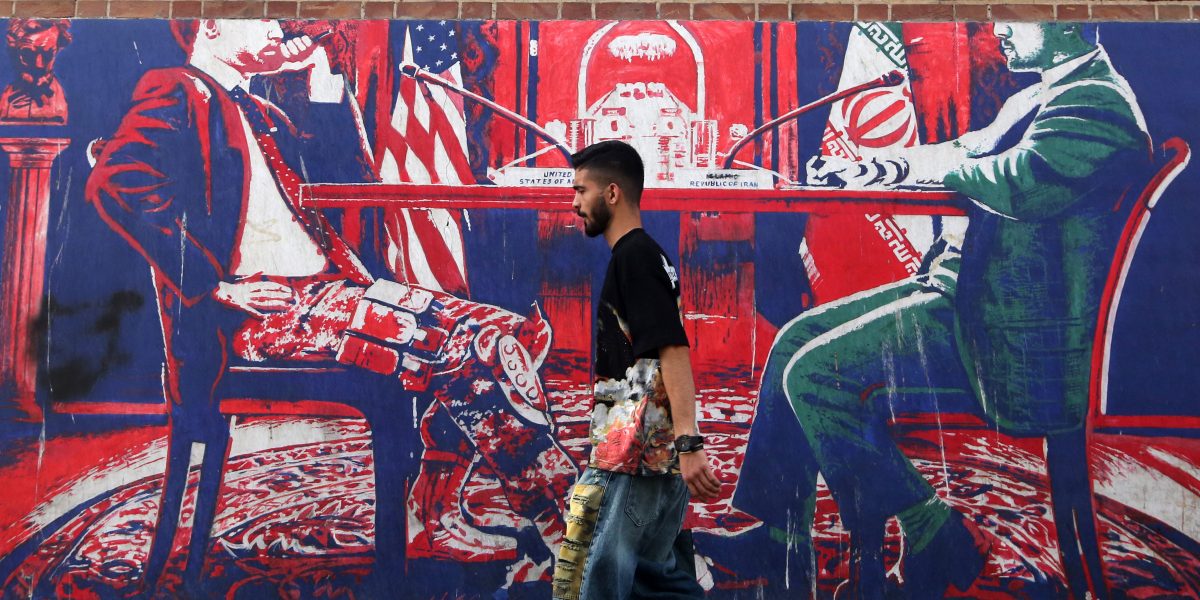
U.S.-Iran Deal Sparks Backlash: How Trump’s ‘Unconditional Surrender’ Unraveled Regional Trust
Iran’s Mixed Reactions to U.S. Deal Highlight Diplomatic Tensions
Iran’s public response to the June 15 U.S.-brokered memorandum of understanding, which lifted sanctions and secured strategic concessions, reveals deep internal divisions. While state media celebrated, Parliament and hardline factions criticized the agreement, citing past betrayals and unresolved regional conflicts. The deal, which aims to end hostilities in Lebanon, faces immediate challenges as Israel continues military operations there.
Why the Discontent? A History of Distrust
Iran’s cautious optimism stems from a legacy of broken promises. The 2015 Joint Comprehensive Plan of Action (JCPOA), hailed as a diplomatic triumph, was later abandoned by the Trump administration, eroding trust in U.S. commitments. “The memory of 2018 still lingers,” said Dr. Farhad Khosravi, a political scientist at Tehran University. “Every agreement is viewed through the lens of past failures.”
The current deal, which includes sanctions relief and U.S. troop withdrawals, has been met with skepticism. Supreme Leader Mojtaba Khamenei’s public reservations—stating he “had a different view” than negotiators—signal internal fractures. Analysts speculate this could shift blame for potential deal failures onto President Masoud Pezeshkian.
Parliamentary Pushback and Public Protests
Conservative lawmakers, including Tehran representative Mahmoud Nabavian, have accused Foreign Minister Abbas Araghchi of leaving “gaps” in the agreement. Nabavian criticized the immediate reopening of the Strait of Hormuz, a key economic lever for Iran, and the lack of clarity on sanctions timelines. “This isn’t a victory—it’s a surrender,” he said in a June 18 parliamentary session.
Public dissent surfaced at state-sponsored rallies, where demonstrators chanted “Death to the compromiser.” In Enghelab Square, a speaker urged attendees to “remember the blood of the Leader,” referencing Ayatollah Khamenei. Meanwhile, state TV programs like “Soraya” faced suspensions after airing critical analyses, raising concerns about censorship.
Regional Implications: Lebanon’s Unstable Ceasefire
The memorandum’s first clause—ending the war in Lebanon—has already unraveled. Israel, despite a June 18 ceasefire with Hezbollah, continues bombing southern Lebanon, citing security threats. “This isn’t a ceasefire; it’s a tactical pause,” said Lebanese MP George Kordahi, who warned of “catastrophic humanitarian consequences.”
The U.S. has tied $300 billion in reconstruction funds to Iran’s cessation of support for groups like Hezbollah. However, the deal omits clauses addressing Iran’s ballistic missile program, a point of contention for Israeli officials. “This is a half-measure,” said Israeli Defense Minister Israel Katz, who ordered troops to “hold positions” in Lebanon without withdrawing.
How Does This Affect Local Infrastructure and Economies?
The lifting of sanctions could boost Iran’s economy, with the International Monetary Fund projecting a 2.5% GDP growth in 2027. However, the closure of the Strait of Hormuz on June 19 disrupted global shipping routes, causing a 15% spike in oil prices. In Tehran, merchants report increased demand for imported goods, while Lebanese businesses in the south face renewed destruction.
Regional economies, particularly in Lebanon and the Gulf, remain vulnerable. The World Bank warns that prolonged conflict could reduce Lebanon’s GDP by 20% by 2028, exacerbating its debt crisis. “This isn’t just a political issue—it’s an economic disaster waiting to happen,” said economist Layla El-Khatib, citing a June 2026 report.
What Legal and Civic Entities Are Responding?
The deal’s ambiguity has spurred action from legal and civic organizations. [International Law Firms] are advising clients on compliance with evolving sanctions, while [Middle East Conflict Resolution NGOs] are monitoring ceasefire violations. In Tehran, [Local Human Rights Groups] are documenting civilian casualties, urging transparency from both Iran and Israel.
For businesses navigating the shifting landscape, [Global Trade Compliance Consultants] are helping firms adjust to new regulations. “The key is flexibility,” said Sarah Lin, a trade analyst at [Consulting Firm Name]. “Sanctions relief is a double-edged sword—opportunities come with risks.”
What Happens Next? A Fragile Diplomatic Balance
Iran’s negotiators continue talks in Switzerland, demanding U.S. compliance with the agreement. However, the absence of a clear timeline for Israeli troop withdrawals complicates matters. “This is a test of wills,” said Dr. Reza Haghighat, a senior fellow at the [Middle East Policy Institute]. “Neither side is backing down.”
As tensions escalate, the role of [International Mediation Organizations] becomes critical. The UN Security Council is expected to convene an emergency session on June 25 to address Lebanon’s crisis. Meanwhile, [Regional Economic Development Agencies] are preparing for potential spillover effects, including refugee flows and trade disruptions.
The Kicker: A Warning From the Past
History suggests that diplomatic wins in the region are fleeting. The 1988 Iran-Iraq ceasefire, brokered by the UN, collapsed within months, leading to renewed conflict. Today, as Iran and the U.S. navigate their uneasy truce, the lesson remains clear: trust is earned, not given. “This deal is a step forward, but the road ahead is fraught with old ghosts,” said [Political Analyst Name], echoing a sentiment felt across the Middle East.