
Table of Contents
Paleontologists are reevaluating long-held beliefs about the behavior of Tyrannosaurus rex, with recent fossil discoveries indicating thes apex predators may have engaged in social behaviors, potentially even cooperative hunting. the findings, stemming from a unique bonebed in southern Utah, offer compelling evidence that Tyrannosaurus species gathered in groups.
The Discovery at Rainbows and Unicorns Quarry
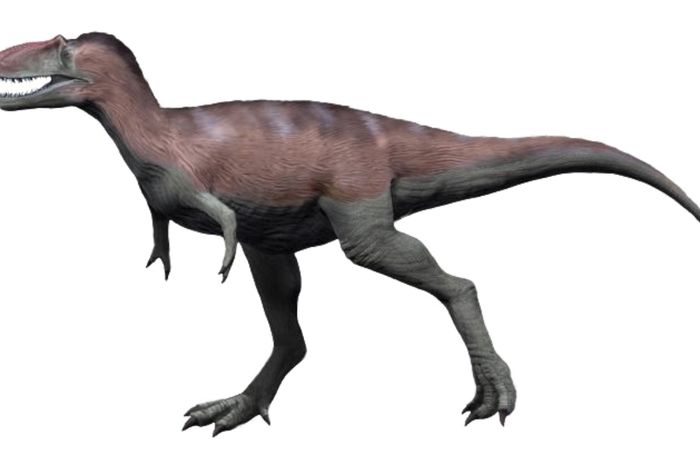
In July 2014, researchers unearthed a notable clue at a site nicknamed “Rainbows and Unicorns” in southern Utah: the ankle bone of a Teratophoneus, a tyrannosaurid relative of T. rex. Subsequent excavations revealed a scattering of Teratophoneus remains,all appearing to have perished simultaneously in the same location.This concentration of fossils prompted further investigation into the possibility of group behavior.
A 2021 study published in the journal Peerj, titled “Geology and taphonomy of a unique tyrannosaurid bonebed from the upper Campanian Kaiparowits Formation of southern Utah: implications for tyrannosaurid gregariousness” [[3]], detailed the geological context and taphonomic analysis of the site, supporting the hypothesis that these dinosaurs congregated in social groups. Alan Titus, a paleontologist with the US Bureau of land Management and lead author of the study, stated, “Dinosaur behavior, dinosaur ecology, will most likely always be a little more complex than we think at a certain time.”
Titus theorized that the site could represent evidence of cooperative hunting strategies among Teratophoneus. Now we see that this giant land predator behaves in groups, much more like a flock of wolves and herd lions, which is truly astonishing
, he explained.
Did You Know? While cooperative hunting is relatively uncommon among modern predators, social behaviors vary widely, ranging from simple tolerance to coordinated attacks.
Evidence Beyond Utah: Bonebeds Across North America
The Rainbows and Unicorns Quarry isn’t an isolated case. Similar fossil concentrations have been identified across western North America, bolstering the argument for social behavior in tyrannosaurids. A bone layer in Alberta, Canada, contains the remains of 12 to 14 Albertosaurus, seemingly deposited together during a flood event. In Montana, an area roughly the size of a tennis court holds at least three Daspletosaurus specimens. Even the site where the famous T. rex fossil, “Sue,” was discovered in South dakota, contains other T. rex remains.
tyrannosaurid Bonebed Locations
| Location | Species | Approximate Number of Individuals |
|---|---|---|
| Southern Utah (rainbows and Unicorns Quarry) | Teratophoneus | Multiple |
| Alberta, Canada | Albertosaurus | 12-14 |
| Montana | Daspletosaurus | 3+ |
| South Dakota | Tyrannosaurus rex | Multiple (including “Sue”) |
The consistent discovery of multiple tyrannosaurid individuals in close proximity, coupled with geological evidence suggesting simultaneous death, strongly suggests these dinosaurs weren’t always solitary creatures. However, determining the precise nature of their social interactions-whether for hunting, mating, or simply tolerating each other’s presence-remains a challenge.
Pro Tip: Taphonomy, the study of how organisms decay and become fossilized, is crucial for interpreting bonebed sites and understanding the circumstances surrounding an animal’s death.
What drove these massive predators to gather together? Was it the benefits of cooperative hunting, increased protection from rivals, or a combination of factors? Further research and discoveries will be essential to unraveling the mysteries of tyrannosaurid social behavior.
The Evolving Understanding of Dinosaur Behavior
For decades, Tyrannosaurus rex was often portrayed as a lone hunter, a fearsome solitary predator dominating the Late Cretaceous landscape. Though, paleontological research is continually challenging these assumptions. The discovery of bonebeds like those in Utah, Alberta, and Montana, combined with advancements in analytical techniques, is revealing a more nuanced picture of dinosaur life.This shift in understanding reflects a broader trend in paleontology-moving away from simplistic narratives and embracing the complexity of ancient ecosystems. The study of dinosaur behavior is an ongoing process, and each new discovery adds another piece to the puzzle.
- Q: What evidence supports the idea that Tyrannosaurus rex lived in groups?
A: Fossil discoveries, especially bonebeds containing multiple individuals of the same species found in close proximity, suggest that tyrannosaurus rex may have gathered in groups.
- Q: Did Tyrannosaurus rex actively hunt together?
A: While the evidence suggests social behavior, whether Tyrannosaurus rex engaged in cooperative hunting is still under investigation.
- Q: Where have tyrannosaurid bonebeds been discovered?
A: Significant bonebeds have been found in southern Utah, Alberta (Canada), Montana, and South Dakota.
- Q: What is a bonebed and why is it crucial?
A: A bonebed is a concentration of fossilized bones from multiple individuals, often suggesting a catastrophic event or a gathering place. They provide valuable insights into dinosaur behavior and paleoecology.
- Q: How old are the fossils found at Rainbows and unicorns Quarry?
A: The fossils from Rainbows and Unicorns Quarry are approximately 75 million years old.
we hope this article has shed light on the engaging possibility of social behavior in tyrannosaurus rex. if you enjoyed this exploration into the world of dinosaurs, please share it with yoru friends, leave a comment below, or subscribe to our newsletter for more groundbreaking science news!
