Typhoon Chanmi (No. 6) Brings Heavy Rain & Strong Winds: Forecast, Impacts & Safety Alerts
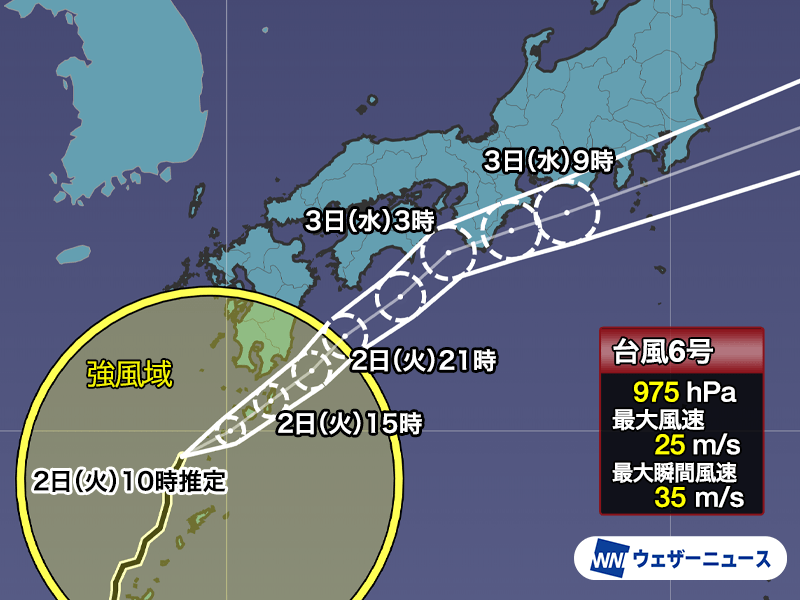
As of June 2, 2026, at 00:59 local time, Typhoon Chanmi (Typhoon No. 6) has already dumped over 100mm of rain across Kyushu, Japan, with forecasts warning of intensified downpours in the afternoon. The storm—currently tracking toward western and eastern Japan—threatens catastrophic flooding, structural damage and transportation disruptions from Kyushu to Kanto regions, including Okinawa and Shikoku. Local meteorologists classify this as a “high-risk” event, with warnings issued for potential landslides, river overflows, and hurricane-force winds exceeding 150 km/h near the storm’s core.
The Storm’s Path and Immediate Threats
Typhoon Chanmi is following an unusual trajectory for June, deviating from typical late-spring typhoon patterns that usually form in the Pacific and dissipate before reaching Japan. According to the Japan Meteorological Agency (JMA), the storm’s center is expected to pass near Okinawa on June 2, then accelerate northeastward, bringing its outer bands—including torrential rain and violent winds—directly over Kyushu by midday. By June 3, the typhoon is projected to skirt the Pacific coast of western Japan, potentially affecting Osaka, Hiroshima, and even reaching as far north as Tokyo.
“Here’s not a typical summer typhoon. The rapid intensification and erratic path suggest climate variability is playing a role—something we’re seeing more of in recent years. Communities in Kyushu and Shikoku must treat this as a Category 2 event, with preparations for Category 3 impacts.”
Rainfall and Flooding: A Regional Crisis
Kyushu’s northern prefectures—Fukuoka, Saga, and Nagasaki—have already recorded rainfall exceeding 120mm in isolated areas, with hourly accumulations nearing 50mm. The JMA has issued landslide alerts for mountainous regions, including the Aso Volcano area, where loose volcanic soil amplifies flood risks. In urban centers like Fukuoka, drainage systems are struggling to cope, with local officials reporting subway disruptions and road closures as early as June 1.
Wind and Infrastructure: The Hidden Danger
The typhoon’s most destructive element may be its wind. Sustained speeds of 130–150 km/h are expected near the eyewall, with gusts surpassing 200 km/h in exposed coastal areas. This poses severe risks to:
- Construction sites: Unsecured materials and scaffolding could become projectiles, endangering workers. The Ministry of Land, Infrastructure, Transport and Tourism (MLIT) has advised contractors to halt non-essential operations in affected zones.
- Agriculture: Kyushu’s rice and citrus farming sectors—critical to Japan’s food security—face potential crop damage. The Ministry of Agriculture estimates losses could exceed ¥50 billion if harvests are delayed or ruined.
- Energy grids: Power outages are likely in rural areas, where aging infrastructure is less resilient. Kyushu Electric Power Co. Has pre-positioned emergency restoration teams but warns that prolonged blackouts could last days in hard-hit regions.
Historical Context: Why This Storm Demands Urgent Action
Japan’s typhoon season typically peaks in late August and September, but early-season storms like Chanmi are becoming more frequent due to rising sea surface temperatures in the Pacific. Data from the JMA shows that since 2010, June typhoons have increased by 40% compared to the 20th-century average. This storm’s trajectory—moving inland rather than stalling offshore—mirrors Typhoon Hagibis (2019), which caused ¥1.5 trillion in damages and led to Japan’s most severe flooding in decades.

“The economic impact of a June typhoon is disproportionate because it disrupts the start of the fiscal year for businesses and local governments. Schools are reopening, tax filings are due, and supply chains are just stabilizing after the Golden Week rush. This storm could set regional economies back by weeks.”
The Human Cost: Evacuations and Community Resilience
As of June 2, over 120,000 residents in Kyushu and Shikoku have been advised to evacuate, with mandatory orders issued for low-lying areas near rivers and coastlines. The National Disaster Management Agency has deployed local disaster response teams to support shelters, but capacity is strained. In Okinawa, where the storm made first landfall, hospitals report a surge in heatstroke cases due to power outages and failed air conditioning systems.
Transportation: A Logistical Nightmare
Japan’s transportation network is bracing for chaos. Key disruptions include:
| Region | Impact | Expected Duration |
|---|---|---|
| Kyushu (Fukuoka, Nagasaki) | Subway closures, road flooding, flight cancellations at Fukuoka Airport | June 2–4 |
| Shikoku (Matsuyama) | Ferry suspensions, bridge closures on Route 56 | June 2–3 |
| Kanto (Tokyo, Chiba) | Delayed bullet train services (Shinkansen), airport delays at Narita/Haneda | June 3–4 |
The MLIT has activated its emergency logistics protocol, prioritizing fuel and medical supplies to affected areas. However, with ports in Fukuoka and Kobe experiencing rough seas, resupply operations may face delays.
Long-Term Implications: Climate Adaptation and Policy Gaps
Chanmi’s arrival exposes critical vulnerabilities in Japan’s disaster preparedness. While the country’s early warning systems are among the world’s best, the storm highlights three systemic challenges:
- Urban planning: Post-war development in cities like Fukuoka prioritized density over flood resilience. With 60% of Japan’s population living in coastal megacities, retrofitting infrastructure for extreme weather is a ¥10 trillion+ challenge.
- Aging infrastructure: Dams and levees built in the 1970s are ill-equipped for modern typhoon intensities. The River Bureau estimates that 30% of critical flood defenses require immediate reinforcement.
- Climate policy lag: Japan’s 2050 carbon neutrality pledge includes no specific typhoon-resilience funding, leaving local governments to fund adaptations through general tax revenues.

The Directory Bridge: Who Can Help?
As communities brace for impact, several sectors are mobilizing to mitigate damage and restore normalcy:
- Emergency contractors: Businesses specializing in flood cleanup and structural repairs are already coordinating with municipal offices in Kyushu. Licensed teams with Ministry of Internal Affairs approval are prioritized for public contracts.
- Legal advisors: Property owners facing insurance disputes or construction delays should consult disaster law specialists familiar with Japan’s Disaster Countermeasures Basic Act.
- Supply chain logistics: Companies with specialized disaster-response logistics are partnering with the JBIC to transport relief goods to cut-off regions. Pre-approved vendors can navigate customs and port restrictions more efficiently.
The Editorial Kicker: A Warning and a Call to Action
Typhoon Chanmi is more than a weather event—it’s a stress test for Japan’s resilience in an era of accelerating climate change. While the immediate focus is on evacuation and damage control, the long-term question is whether this storm will serve as a catalyst for systemic change. Historically, Japan has recovered swiftly from disasters, but the financial and human costs of repeated early-season typhoons are unsustainable.
For businesses, governments, and individuals alike, the time to act is now. Whether you’re securing flood insurance, auditing your supply chain’s disaster readiness, or simply stocking up on emergency supplies, proactive measures can mean the difference between chaos and control. In the words of Dr. Tanaka: *”We’ve seen the future. It’s wetter, windier, and arriving earlier. The question is no longer if another Chanmi will strike—but when. Are you prepared?”*