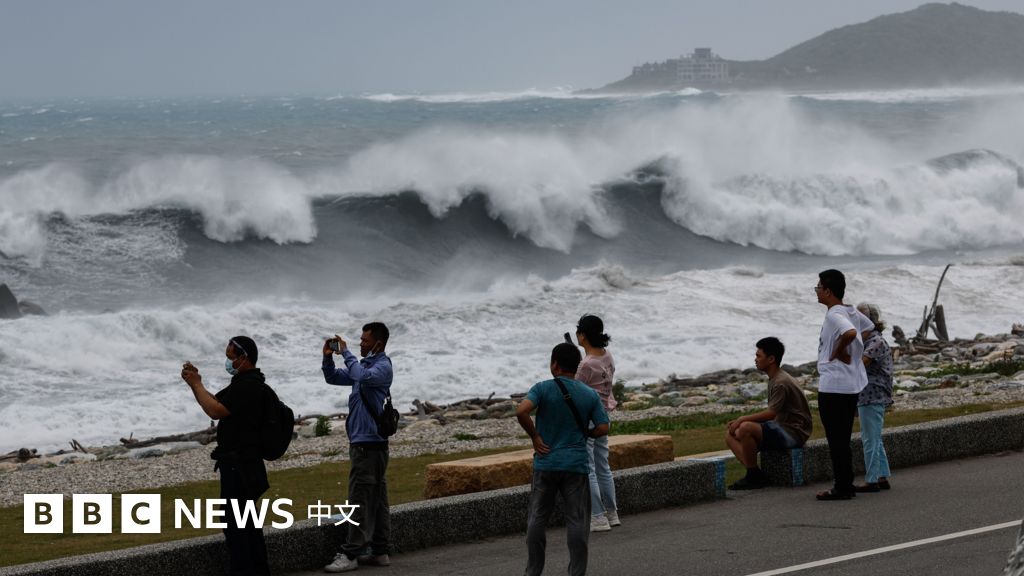
Typhoon Bawi Hits Taiwan: Largest Wind Radius in 30 Years Sparks Widespread Closures and Flight Cancellations
Typhoon Bavi, characterized by an exceptionally wide storm radius not seen in the region for three decades, has prompted widespread emergency closures across Taiwan. Local authorities in 12 counties and cities have suspended work and classes, while major airlines have canceled dozens of flights as the storm’s outer bands impact regional infrastructure and public safety.
Meteorological Scale and Regional Impact
The intensity of Typhoon Bavi is defined by its massive wind field, which meteorological agencies have tracked as the largest observed in the last 30 years. Unlike storms that maintain a concentrated, high-velocity core, Bavi’s expansive radius has resulted in prolonged wind and rain exposure for a significant portion of the island. According to the Central Weather Administration, the storm’s trajectory necessitated the immediate activation of emergency protocols across northern and central districts.

Infrastructure vulnerability remains a primary concern for municipal planners. As the storm makes its path, the pressure on drainage systems, power grids, and transportation networks has reached critical levels. “The sheer scale of this wind field means that even areas far from the eye are experiencing sustained gale-force winds, which complicates containment and rapid response efforts,” noted one municipal disaster management official during a briefing on the storm’s progression.
Emergency Protocols and Public Safety Measures
The decision to halt business and educational operations in 12 jurisdictions serves as a preventive measure to reduce traffic density and minimize exposure to hazardous conditions. For residents and business owners, this shift necessitates immediate engagement with emergency restoration contractors to secure facilities against wind damage and potential flooding.
Beyond the immediate physical danger, the economic ripple effect of such widespread closures is substantial. Supply chain logistics, including air and maritime freight, have been effectively paralyzed. Travelers and commercial entities are currently navigating a backlog of cancellations, often requiring the expertise of specialized legal counsel to address contractual obligations and insurance claims arising from force majeure events.
Long-Term Infrastructure Resilience
Historical data suggests that storms of this magnitude expose systemic weaknesses in urban planning. In the aftermath of significant weather events, regional governments typically initiate audits of existing structures to determine compliance with updated safety codes. For commercial property owners, this represents a period of heightened regulatory scrutiny.
Engaging with certified engineering firms is becoming the standard for developers aiming to mitigate liability. These professionals provide the necessary assessments to ensure that facades, roofing, and foundational supports meet the rigorous standards required to withstand the increasing frequency of extreme weather events in the Pacific basin.
Navigating Post-Storm Recovery
As the storm system moves out of the immediate vicinity, the focus shifts to recovery and risk assessment. The cleanup phase is not merely a logistical challenge but a legal one as well. Property disputes, insurance coverage denials, and employment disputes regarding forced closures often follow the initial disaster response.

For businesses seeking to recover, maintaining clear documentation of storm-related damages is vital. Legal experts advise that early intervention—securing evidence of property loss and communicating clearly with insurers—is the most effective way to protect financial interests. Those facing complex recovery scenarios often find it necessary to consult with disaster recovery legal consultants who understand the intersection of municipal emergency declarations and private insurance contracts.
The precedent set by Typhoon Bavi highlights an uncomfortable reality: the climate in the region is shifting toward more frequent, wide-radius storm events. While the immediate threat may dissipate, the requirement for robust, proactive infrastructure management remains constant. The resilience of the region in the coming months will depend heavily on the ability of both public entities and private property owners to bridge the gap between reactive emergency measures and long-term structural hardening.