
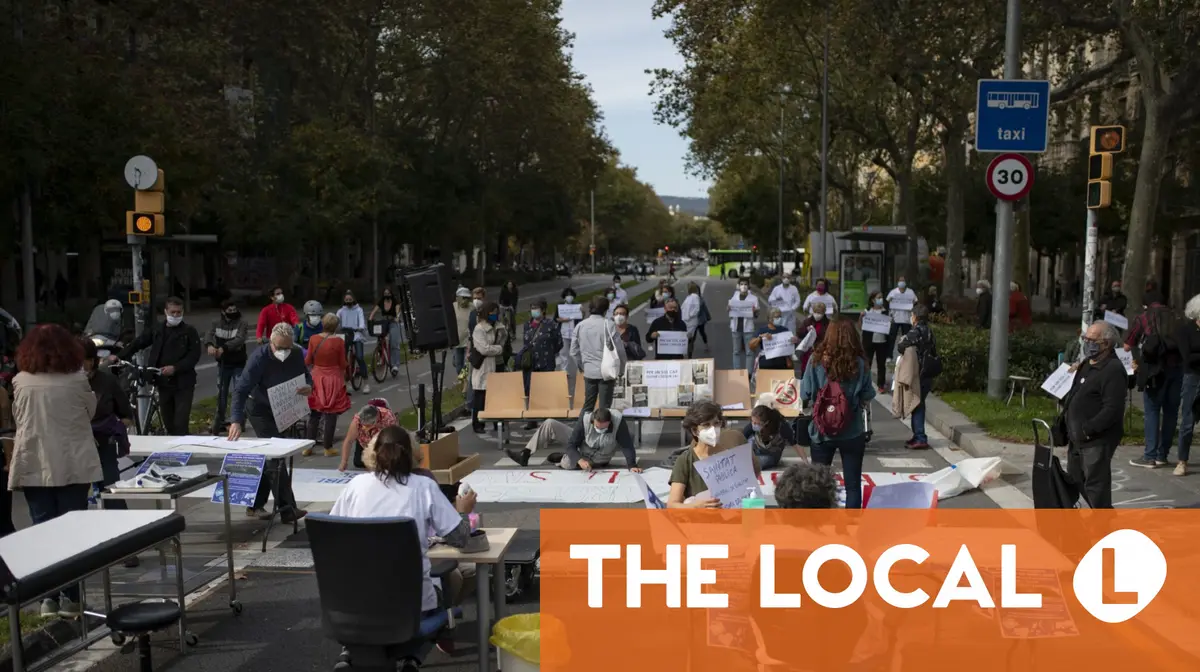
Spanish Doctors Escalate Protests with Nationwide Strike
published: 2026/01/19 04:49:17
Spain’s public healthcare system is bracing for disruption as doctors across the country engage in a two-day strike, beginning Wednesday, January 14th. The walkout, organized by the Professional group for a Medical and Optional Statute (Apemyf), a coalition representing roughly 20 medical unions and associations [[1]], is a direct response to a newly proposed law that physicians fear will negatively impact their working conditions and the quality of patient care.
A History of Discontent: The Fourth Round of Protests
This strike marks the fourth instance of widespread physician protest against the overhaul of Spain’s Medical Framework Statute, following previous demonstrations in June, October, and December of last year. The core issue revolves around concerns that budgetary changes within the proposed statute will undermine efforts to improve working conditions and ultimately compromise the healthcare services available to the Spanish public. doctors have voiced a growing frustration with what thay perceive as a lack of adequate support and increasing pressures within the system.
Key Demands: Addressing Burnout and Ensuring Quality Care
The demands of striking doctors are multifaceted, reflecting a systemic concern for the well-being of both healthcare professionals and patients.Central to their grievances is the desire to eliminate 24-hour shifts, a practice widely seen as contributing to physician burnout and increasing the risk of medical errors.[[2]] Doctors are also advocating for improved remuneration for physicians on call and a mandated maximum work week of 48 hours, aligning with standards in many other European nations. These demands aren’t simply about personal benefit; they are framed as essential to maintaining a high standard of care for patients.
Nationwide Participation and Regional Impact
Apemyf has mobilized medical professionals across a important portion of Spain, with participation expected in Madrid, Catalonia, the Basque Country, Galicia, Navarre, the Valencian region, Murcia, and Asturias. Family doctors throughout the country are also joining the strike. Reports indicate that the stoppage is extending beyond these initial regions,with doctors in the Canary Islands,Aragón,Castilla y León,and La Rioja also participating [[3]]. This widespread involvement underscores the depth of dissatisfaction within the medical community.
Demonstrations and Public Expression
The strike is not limited to simply withholding labor. Doctors are taking to the streets to publicly voice their concerns. Madrid will see a demonstration organized by the Madrid doctors’ union Amyts, commencing from the Congress and culminating at the Ministry of Health. Similar protests are planned in Barcelona,demonstrating a unified front against the proposed changes.
Impact on Patients: Minimum Services and Potential disruptions
Spanish law mandates that hospitals maintain minimum services during strikes to ensure essential care remains accessible. Emergency rooms will remain open and fully operational to handle urgent medical needs. Though, patients should anticipate potential cancellations of pre-scheduled appointments deemed non-urgent. Individuals with planned appointments are advised to contact their healthcare providers to confirm whether their appointments will proceed as scheduled.The disruption caused by the strike highlights the delicate balance between advocating for improved working conditions and ensuring continuity of care for the Spanish population.
Looking Ahead: A Critical Juncture for Spanish Healthcare
The current strike represents a critical juncture for the Spanish healthcare system. The outcome of these negotiations will likely shape the future of medical practice in the country, impacting not only the well-being of doctors but also the quality and accessibility of healthcare for all citizens. The government’s willingness to address the concerns raised by the medical community will be crucial in resolving the current impasse and preventing further disruptions to the healthcare system. The situation warrants close monitoring as it unfolds, with potential implications for healthcare policy and patient care in Spain for years to come.
