
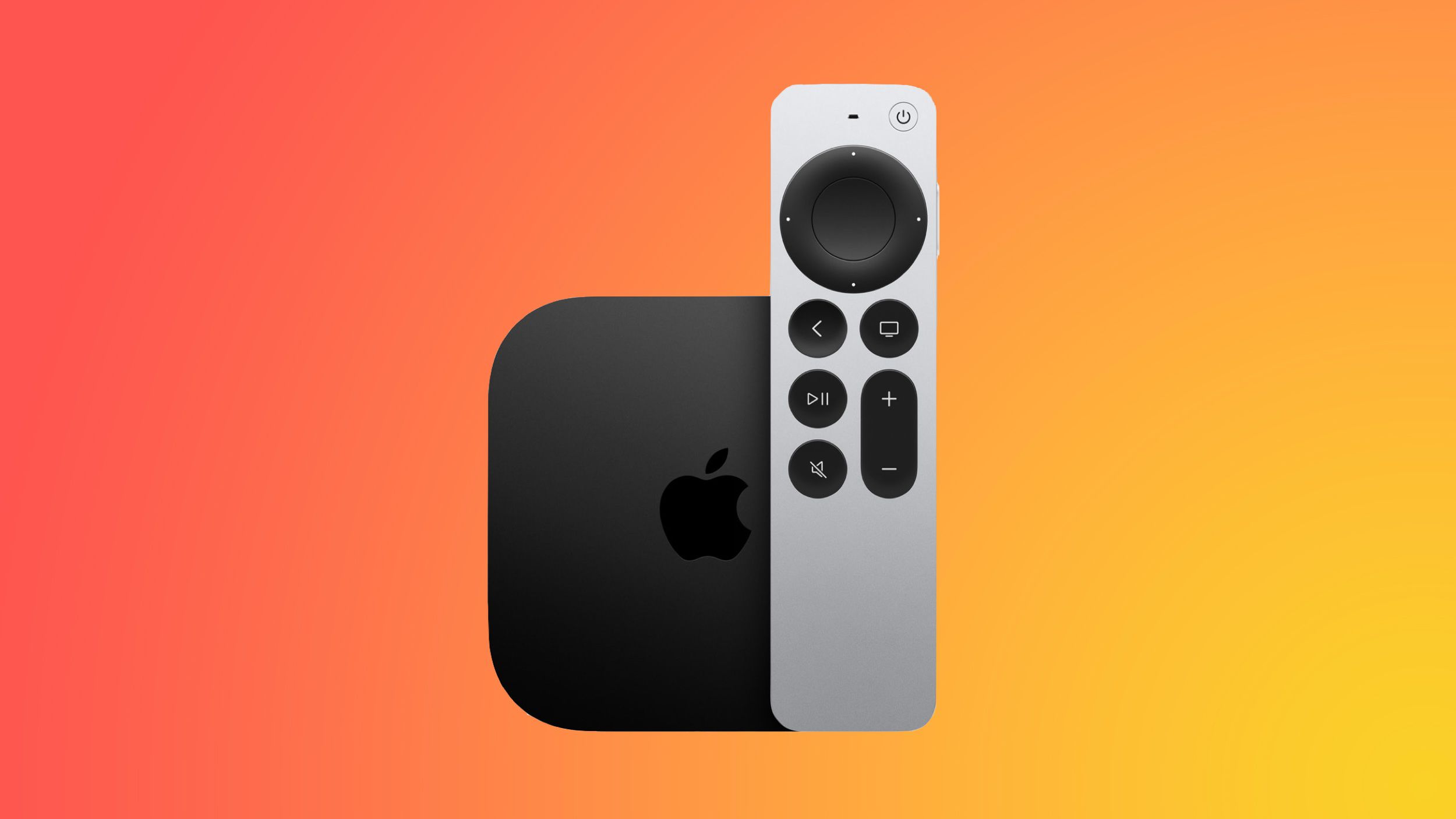
tvOS 26.4 Features and Release Notes for Apple TV
tvOS 26.4: The Death of Local Media and the Rise of Heuristic Aggregation
Apple’s latest production push for tvOS 26.4 arrived this week, stripping away the final vestiges of the iTunes legacy stack while patching a persistent HDMI handshake latency issue. This isn’t merely a UI refresh; it is a calculated architectural consolidation designed to force all media consumption through a single, telemetry-rich aggregation layer.
The Tech TL;DR:
- Legacy Deprecation: The standalone iTunes Movies and TV Shows apps have been nuked, consolidating all playback into the unified Apple TV app to streamline DRM enforcement.
- Audio Stack Fix: A new “Continuous Audio Connection” toggle forces Dolby MAT persistence, eliminating the audio dropouts common during format switching on AV receivers.
- Algorithmic Discovery: “Genius Browse” introduces a heuristic-based recommendation engine, likely leveraging on-device metadata tagging rather than full cloud inference to preserve bandwidth.
The removal of the iTunes TV Shows and Movies apps marks the end of an era for local file ownership on the platform. For years, power users relied on these distinct binaries to manage locally hosted media libraries via Home Sharing. By collapsing these into the main Apple TV app, Apple is prioritizing streaming aggregation over local file system access. This shift mirrors the broader industry trend toward walled-garden ecosystems where content provenance is strictly controlled. For enterprise environments utilizing Apple TV for digital signage or internal communications, this consolidation simplifies device management but reduces flexibility for offline caching strategies.
The Audio Handshake Latency Problem
The most technically significant update in this build addresses the “Continuous Audio Connection.” Historically, when an Apple TV 4K switches between content with differing audio codecs—for example, transitioning from a stereo podcast to a Dolby Atmos film—the HDMI handshake often resets. This reset causes a perceptible audio dropout or “pop,” a latency spike that disrupts immersion. Apple’s solution involves maintaining a persistent Dolby MAT (Metadata-enhanced Audio Transmission) connection regardless of the source material’s native format.
While Apple claims this ensures “glitch-free playback,” the implementation relies on the receiver’s ability to handle passthrough without renegotiating the EDID (Extended Display Identification Data). In high-fidelity home theater setups, this is a critical fix. However, legacy receivers may struggle with the forced Atmos containerization of stereo mixes. If you are managing a fleet of devices in a hospitality or corporate setting, you need to verify receiver compatibility before pushing this update globally. This is exactly the kind of hardware-software interoperability issue where specialized cybersecurity consulting firms often step in to audit AV infrastructure for stability and security compliance.
“The consolidation of media binaries reduces the attack surface for local privilege escalation, but it centralizes telemetry. We are trading local control for streamlined DRM enforcement.”
Genius Browse: Heuristics vs. Heavy LLMs
The introduction of “Genius Browse” suggests Apple is deploying a lightweight recommendation engine directly within the tvOS shell. Unlike the heavy cloud-based inference models used by competitors, tvOS 26.4 appears to utilize local metadata tagging to categorize content into mood-based clusters like “Bittersweet Family Dramas.” This approach minimizes network latency and preserves user privacy by keeping viewing history processing on-device.
From an architectural standpoint, this is a smart move. Running large language models (LLMs) on a set-top box is thermally and computationally inefficient. By using pre-defined heuristic categories, Apple achieves personalization without the battery drain or thermal throttling associated with continuous neural engine usage. However, for developers integrating with the Apple TV API, this signals a shift toward metadata-heavy content ingestion. If your streaming service doesn’t tag content with granular emotional or situational descriptors, your discoverability in the Genius Browse ecosystem will suffer.
Framework C: The Tech Stack & Alternatives Matrix
To understand where tvOS 26.4 sits in the current landscape, we must compare its aggregation strategy against the primary competitor: Google TV (Android TV). Both platforms are moving toward “universal search” interfaces, but their underlying philosophies differ significantly.
| Feature | tvOS 26.4 (Apple) | Google TV (Android 14+) | Architectural Implication |
|---|---|---|---|
| Content Aggregation | Unified Apple TV App (Walled Garden) | Google Discover Feed (Open Ecosystem) | Apple prioritizes UX consistency; Google prioritizes ad inventory. |
| Audio Protocol | Forced Dolby MAT Persistence | Dynamic HDMI Handshake | Apple reduces latency; Google maximizes compatibility. |
| Recommendation Engine | Local Heuristics (Genius Browse) | Cloud-Based AI (Gemini Integration) | Apple favors privacy; Google favors data harvesting. |
| Legacy Support | Deprecated (iTunes Apps Removed) | Supported (Via Side-loading/Files) | Apple enforces modernization; Android allows fragmentation. |
The table above highlights a critical divergence: Apple is willing to break legacy functionality to enforce a modern, secure, and uniform experience. Google, conversely, maintains backward compatibility at the cost of fragmentation. For CTOs managing digital signage networks, the Apple approach reduces maintenance overhead but increases vendor lock-in. If your organization requires flexible media sourcing, you may need to engage cybersecurity audit services to ensure your network segmentation can handle the increased telemetry traffic from a unified Apple TV app.
Implementation Mandate: Verifying the Update
For system administrators deploying this update via MDM (Mobile Device Management), verifying the build version and checking for the new audio configuration profile is essential. While tvOS does not expose a standard SSH shell, you can query the device status via the Apple Business Manager API or inspect the network traffic for the new handshake protocols.
Below is a cURL request example demonstrating how to query the device enrollment status and verify the OS version via the MDM protocol, ensuring the 26.4 payload has been correctly signed and delivered:
curl -X POST "https://api.apple-business-manager.com/v1/devices" -H "Authorization: Bearer YOUR_ACCESS_TOKEN" -H "Content-Type: application/json" -d '{ "filter": { "osVersion": "17.4", "model": "AppleTV6,2" }, "fields": ["serialNumber", "lastCheckinTimestamp"] }' Note that while the code above targets the MDM API, the actual audio fix requires user intervention in the Settings menu. Automated scripts cannot force the “Continuous Audio Connection” toggle without user consent due to privacy sandboxing. This limitation underscores the need for clear user communication during rollout.
Security Implications and Directory Triage
Consolidating media apps reduces the binary footprint on the device, theoretically shrinking the attack surface. However, a unified app means a unified vulnerability. If a remote code execution (RCE) flaw is discovered in the Apple TV app’s rendering engine, it now compromises the user’s entire media library access point. In high-security environments, smart TVs are often treated as untrusted IoT devices. The new “Genius Browse” feature, which analyzes viewing habits, introduces a new vector for data exfiltration if the device is compromised.
Organizations should treat this update as a signal to re-evaluate their IoT segmentation policies. It is advisable to consult with risk assessment providers to determine if your current VLAN configurations adequately isolate media streaming devices from sensitive corporate data. The convenience of “Continuous Audio” is not worth the risk of a lateral movement attack originating from a compromised set-top box.
As we move deeper into 2026, the line between consumer electronics and enterprise endpoints continues to blur. TvOS 26.4 is a polished, performant update that solves genuine UX friction points, but it does so by tightening Apple’s grip on the media stack. For the average user, the glitches are gone. For the architect, the walled garden just got higher.
Disclaimer: The technical analyses and security protocols detailed in this article are for informational purposes only. Always consult with certified IT and cybersecurity professionals before altering enterprise networks or handling sensitive data.