
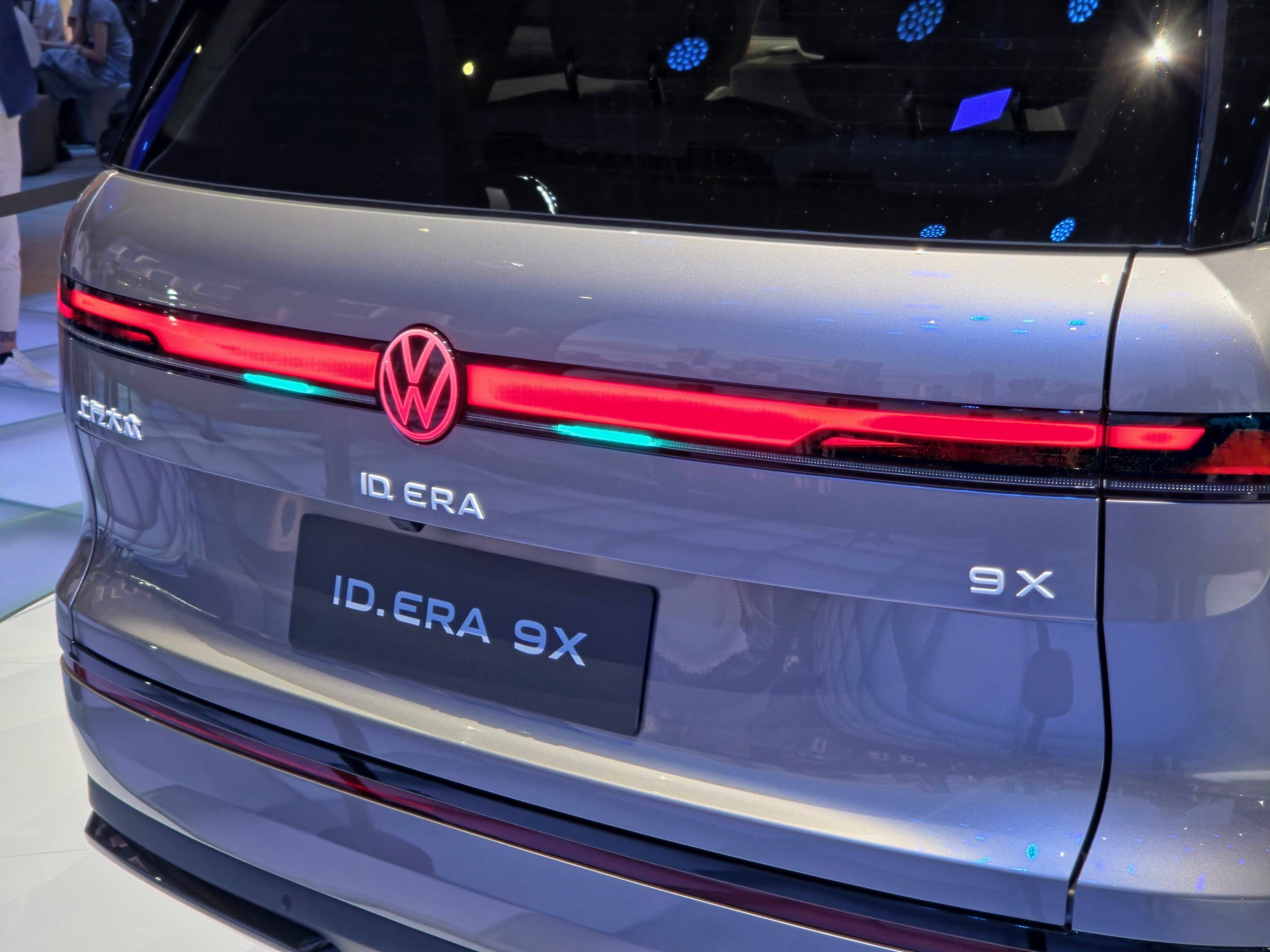
Turquoise Lights Flood Chinese Streets
Chinese automotive manufacturers are deploying turquoise-colored exterior lighting to signal the engagement of autonomous driving (AD) modes. This emerging de facto industry standard aims to communicate vehicle intent to pedestrians and other drivers, filling a critical gap in current regulatory frameworks while accelerating consumer adoption of Advanced Driver Assistance Systems (ADAS).
The sudden proliferation of turquoise signaling is more than a stylistic choice; This proves a high-stakes gamble on market standardization. When a critical piece of safety communication—telling the world “this car is driving itself”—exists in a regulatory vacuum, the first movers dictate the language of the street. For the C-suite, this creates a precarious tension between rapid deployment and the risk of future regulatory whiplash.
The fiscal problem is clear: if the Chinese government mandates a different color or signal pattern under the GB 4785 lighting standard, every vehicle currently on the road becomes a legacy liability. The cost of retrofitting hardware or issuing software-driven lighting overrides across millions of units would trigger significant write-downs. Companies facing these uncertainties are increasingly relying on regulatory compliance consultants to navigate the volatile intersection of innovation and state mandate.
The Macro Shift: Three Ways Turquoise Lighting Redefines the AD Market
- The Transition from Internal to External UX: For years, the “user experience” of autonomous driving was confined to the dashboard and the infotainment screen. By moving the signal to the exterior, OEMs are treating the public road as the interface. This shifts the value proposition from mere driver convenience to social trust, a necessary prerequisite for scaling Level 3 and Level 4 autonomy.
- De Facto Standardization as a Competitive Moat: By aligning on a specific hue, leading manufacturers are creating a shared visual vocabulary. This reduces the cognitive load for pedestrians and other drivers, effectively lowering the “trust barrier” for the entire sector. Those who deviate from the turquoise trend risk being perceived as outliers or, worse, unpredictable.
- Supply Chain Specialization: The shift toward specific, high-visibility AD signaling is driving a surge in demand for specialized LED components and light-pipe architectures. This creates a new revenue stream for tier-1 suppliers but likewise introduces new bottlenecks in the procurement of high-grade optical materials.
Standardization is the invisible engine of scale.

From a balance sheet perspective, the race to implement these signals is a CapEx play. Integrating specialized lighting into the vehicle’s exterior architecture requires precise engineering and rigorous testing to ensure visibility across various weather conditions and lighting environments. This is where the technical debt accumulates. Firms that rush the integration without a modular design face an expensive redesign if the regulatory winds shift.
To mitigate these risks, many OEMs are partnering with automotive engineering firms to develop flexible lighting modules that can be updated via firmware or simple hardware swaps, protecting their margins against sudden policy pivots.
Fiscal Friction and the Cost of Regulatory Vacuum
The absence of formal regulation in the GB 4785 standard regarding AD signals creates a “wild west” scenario for intellectual property. As turquoise becomes the industry shorthand for autonomy, the battle moves from the street to the courtroom. Who owns the “visual identity” of an autonomous vehicle? The potential for patent trolls to claim ownership over specific lighting patterns or color frequencies is a looming shadow over the industry.
“The industry is currently operating in a state of regulatory arbitrage. By establishing a visual standard before the government does, these companies are essentially forcing the regulator’s hand, hoping the state will codify the existing practice rather than impose a costly new requirement.”
This environment necessitates a sophisticated approach to intellectual property. Forward-thinking firms are already engaging intellectual property law firms to secure defensive patents around their signaling interfaces, ensuring they aren’t locked out of their own design choices by a competitor’s opportunistic filing.
The financial stakes are magnified when looking at the broader margins of the Chinese EV sector. With price wars compressing gross margins across the board, the ability to differentiate through “tech-forward” visual cues is a low-cost way to maintain a premium brand image. However, the long-term EBITDA impact will be determined by whether these signals actually reduce accident rates and insurance premiums. If turquoise lights lead to a measurable decrease in pedestrian-vehicle conflicts, the “trust dividend” will manifest in higher adoption rates and lower liability costs.

The market is currently pricing in the optimism of autonomy, but the reality is a fragmented landscape of proprietary systems trying to speak a common language.
As we move into the next fiscal year, the focus will shift from the presence of these lights to their interoperability. A turquoise light that means “autonomous” to one brand but “semi-autonomous” to another is a liability, not a feature. The industry must move toward a unified semantic layer for vehicle-to-everything (V2X) communication, or risk a catastrophic failure of public trust.
The turquoise wave in China is a signal of intent—not just for the cars, but for the manufacturers. They are signaling that they are ready for the mass-market transition to autonomy, provided the regulators don’t pull the plug on their visual shorthand. For investors and B2B partners, the opportunity lies in the infrastructure of this transition: the consultants, the engineers, and the lawyers who can turn a “de facto” trend into a sustainable corporate asset.
Navigating this volatility requires more than just market intuition; it requires vetted partners who understand the intersection of global regulation and industrial innovation. To find the specialists capable of managing these transitions, explore the comprehensive network of professional services in the World Today News Directory.