
Türkiye Ramps Up Efforts to Combat Foot-and-Mouth Disease
Nationwide mobilization underway after detection of SAT-1 strain.
Following the detection of the SAT-1 strain of foot-and-mouth disease, the Ministry of Agriculture and Forestry in Türkiye has initiated a nationwide campaign. Efforts include production and distribution of vaccines to contain the outbreak.
Vaccine Production and Distribution
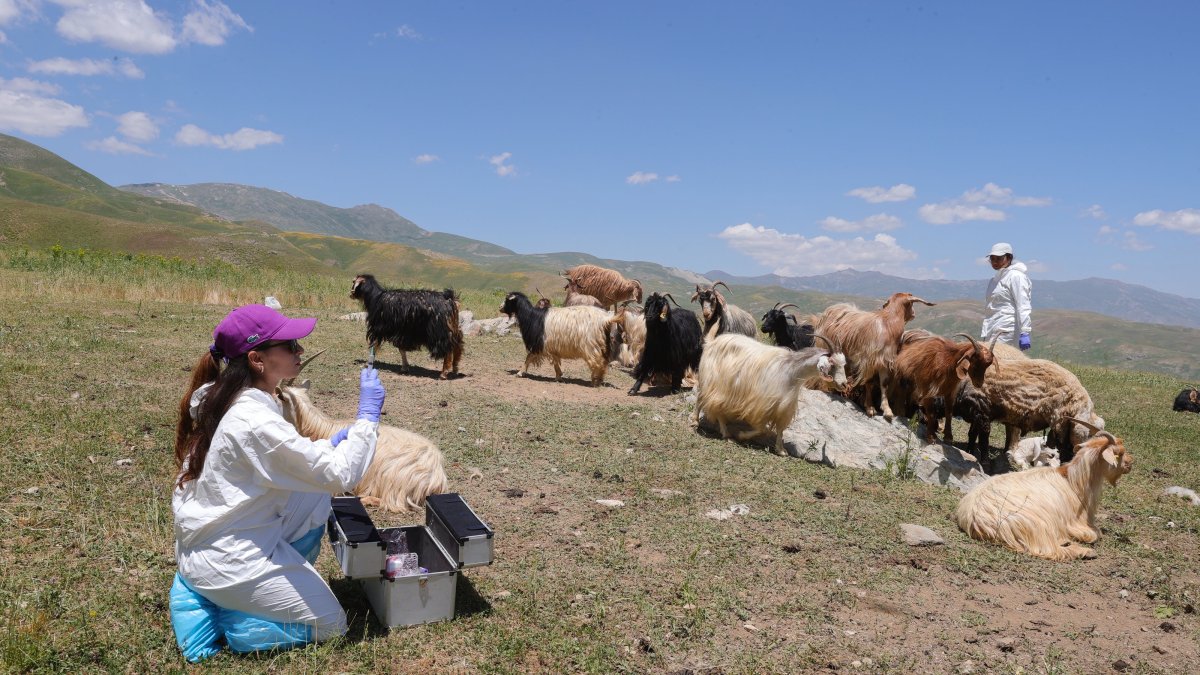
The Foot-and-Mouth Disease Institute of Türkiye has boosted vaccine production targeting the SAT-1 strain, according to the Ministry. They have completed an initial run of 4.5 million doses. Distribution of these vaccines is actively taking place in affected regions.
Veterinarians are administering the newly developed vaccines at no cost in the areas where the disease has been identified, as well as in nearby districts. Livestock markets, which were temporarily shut down, will gradually reopen depending on how the outbreak progresses.
Spread and Impact
Bülent Tunç, president of the Central Union of Turkish Red Meat Producers, said the SAT-1 strain was first seen in Europe approximately four months prior. Cross-border livestock movement, particularly in eastern Türkiye, led to the disease’s entry into the country. The first domestic case was reported in Hakkari on May 11.
According to the World Organisation for Animal Health, foot-and-mouth disease (FMD) affects cattle, swine, sheep, goats and other cloven-hoofed animals, and is characterized by fever and blister-like lesions on the tongue and feet (WOAH).
Tunç stated that open livestock markets and continued animal transport contributed to the disease’s spread throughout the country.
Tunç added, “This strain has been seen in Türkiye for the first time. Following our recommendation, a decision was made to close livestock markets, effectively stopping animal movements and containing the spread. This was a measure taken entirely in the interest of producers. A second vaccine dose will be administered within 21 days, granting immunity. After that, even if the disease appears, it will not cause harm.”
Regarding the potential economic impact, Tunç clarified, “The closure of markets has not negatively affected the red meat market. Rumors that this would lead to price hikes are baseless. In fact, prices have dropped, and there is no shortage of meat in the market. Producers and consumers should not be concerned.”
He also pointed out that foot-and-mouth disease leads to fever, weight loss, and decreased milk production in affected animals. Efforts are ongoing to mitigate these effects.
Emphasizing the importance of domestic production, Tunç noted, “The SAT-1 vaccine was produced rapidly within Türkiye. The Foot-and-Mouth Disease Institute is working effectively, producing over 1 million doses per week. These vaccines have been distributed quickly across all provinces. The fact that the vaccine is locally produced offers a significant advantage. It is crucial that our producers cooperate with veterinarians during the vaccination process.”
Breeders’ Concerns
Kamil Özcan, president of the Central Union of Turkish Cattle Breeders, emphasized that breeders understand the need to combat widespread infectious diseases. Özcan said foot-and-mouth disease can cause drops in meat and milk yield and lead to fertility issues.
He voiced concerns that the disease could spread through the movement of sacrificial animals, potentially infecting breeding cows and heifers, resulting in productivity losses. “We believe in the principle that ‘without healthy mothers, there can be no healthy calves.’ Keeping our breeding animals healthy is a shared priority,”
Özcan added.
