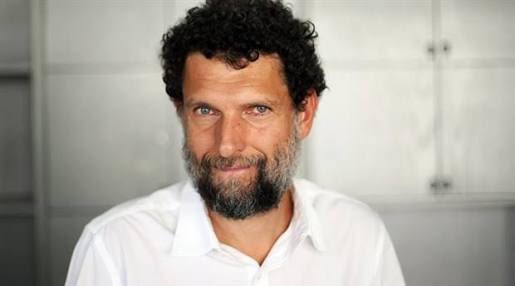
Türkiye: Osman Kavala Must Be Released Following ECHR Order to Quash Conviction
The Grand Chamber of the European Court of Human Rights delivered a landmark judgment, ruling that the continued detention of human rights defender and civil society leader Osman Kavala is unlawful and ordering his release at the earliest possible date and the quashing of his conviction. Imprisoned since November 2017, Kavala faces politically motivated charges that violate fair trial guarantees under the European Convention on Human Rights.
The Legal Fallout of the Gezi Park Trial
Osman Kavala has spent nearly nine years behind bars following a prosecution that international legal monitors categorize as a flagrant denial of justice. Arrested in October 2017, Kavala was sentenced on April 25, 2022, to life in prison without parole. The court convicted him of “attempting to overthrow the government” during the 2013 Gezi Park protests. Co-defendants in the case received 18-year terms for “aiding the attempt to overthrow the government”.
The European Court’s Grand Chamber examined the entirety of these proceedings. The judges found that the prosecution falsely alleged that the 2013 peaceful protests in Istanbul’s Gezi Park were an attempt to overthrow the government and that the ultimate verdict aimed to punish and silence Kavala’s human rights work. Furthermore, the Court ruled that his aggravated life sentence constitutes inhuman and degrading treatment. Turkish authorities acted in bad faith by maintaining his detention unlawfully.
International human rights groups have continuously mobilized around the case. In June 2022, Amnesty International designated Kavala and his six co-defendants as prisoners of conscience. Human Rights Watch, the International Commission of Jurists, and the Turkey Litigation Support Project submitted joint interventions to underscore the severe structural flaws undermining judicial independence in Türkiye.
A Test of Compliance for the Council of Europe
This latest ruling marks the third time the European Court has ruled on Kavala’s situation. In December 2019, the Court ordered his immediate release after finding his imprisonment violated his right to liberty. A second ruling in July 2022 confirmed that Türkiye remained in breach of its obligations by ignoring the initial judgment.
“Türkiye has defied two previous binding rulings from the Court in his case. This obstruction of justice must end,” said Eve Geddie, Director of Amnesty International’s European Institutions Office. Geddie emphasized that judicial and prosecutorial authorities in Türkiye must act immediately to free Kavala.
The burden now shifts to the Council of Europe and its decision-making body, the Committee of Ministers. The Committee supervises the execution of court judgments. Member states are urged to keep the Kavala case at the top of their diplomatic agendas and demand strict compliance from Ankara.
Systemic Failures and the Road Ahead
The European Court’s recent verdict does not just target an individual miscarriage of justice; it exposes deep systemic weaknesses within the Turkish judiciary. Ayşe Bingöl Demir, Director of the Turkey Litigation Support Project, noted that the structural failures enabling these violations have been laid bare once again.

The Turkish Constitution and international legal agreements require authorities to set aside the conviction.
The prolonged imprisonment of Osman Kavala remains a defining test of whether international legal obligations will prevail over political expedience in European diplomacy. With the European Court’s explicit mandate now on record, the international community watches closely to see if Turkish authorities will honor their foundational commitments to the Council of Europe.