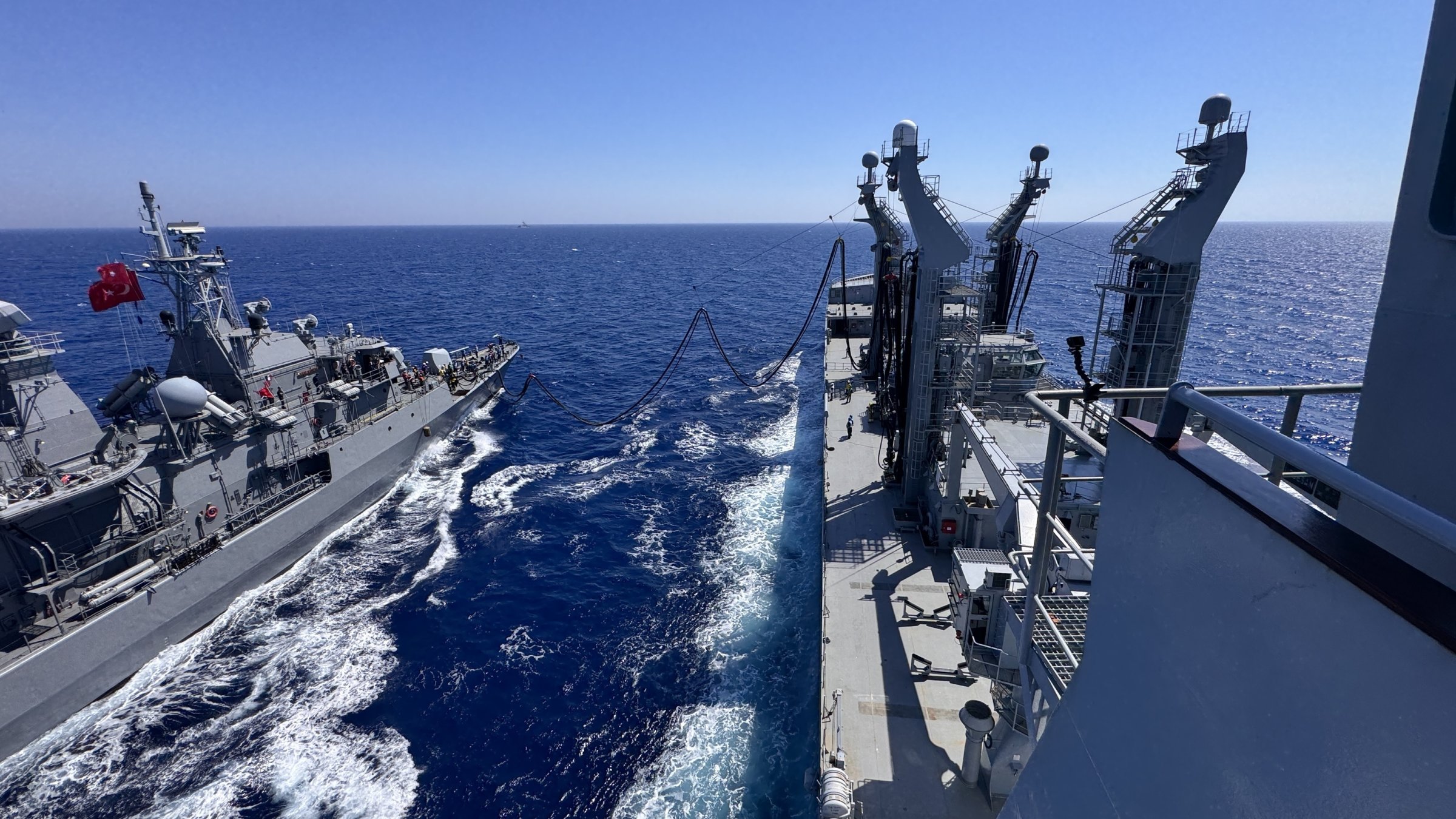
Turkish-Greek Relations Tense Over Blue Homeland Draft Bill
Türkiye’s proposed “Blue Homeland” (Mavi Vatan) draft bill aims to codify the nation’s maritime jurisdiction claims in the Eastern Mediterranean, potentially escalating territorial disputes with Greece and the European Union. The legislation, which remains untabled as of July 2, 2026, asserts sovereignty over vast underwater energy reserves and shipping lanes, challenging existing international boundaries.
The tension centers on the overlap of Exclusive Economic Zones (EEZ). While Türkiye argues that islands cannot possess full EEZs if they sit on the continental shelf of another mainland, Greece relies on the United Nations Convention on the Law of the Sea (UNCLOS), which Türkiye has not signed. This legal chasm transforms a domestic draft bill into a geopolitical flashpoint.
How the Blue Homeland bill alters Mediterranean stability
The “Blue Homeland” doctrine is not merely a map; it is a strategic blueprint. By attempting to turn these claims into domestic law, Ankara is signaling that its maritime boundaries are non-negotiable. This shift moves the conflict from diplomatic maneuvering to a statutory mandate.

The bill specifically targets regions around Cyprus and the Aegean Sea. For Greece, the legislation is viewed as a direct threat to its sovereign rights over the Kastellorizo island and its surrounding waters. If the bill passes, any Turkish naval or drilling activity based on this law could be seen by Athens as a violation of international law, potentially triggering EU solidarity clauses.
This legal instability creates a high-risk environment for energy conglomerates. Companies attempting to extract natural gas from the Levant Basin face the prospect of contradictory legal regimes. To mitigate these risks, energy firms are increasingly relying on [International Arbitration Law Firms] to draft contingency agreements and protect their capital investments from sudden jurisdictional shifts.
The European Union’s role in the escalation
The EU has consistently backed Greece, often framing the dispute as a test of the bloc’s internal cohesion. By treating Greek maritime claims as EU claims, Brussels has effectively expanded a bilateral dispute into a multilateral confrontation.
Critics argue that the EU’s rigid support for Greece ignores the complexities of the Aegean’s geography. Conversely, the EU maintains that Türkiye’s “Blue Homeland” approach is an attempt to rewrite established international norms. This deadlock prevents the region from achieving a unified energy strategy, leaving billions of cubic feet of gas untapped due to security concerns.
“The transformation of a strategic doctrine into a legislative act creates a ‘fact on the ground’ that diplomacy struggles to erase.”
The economic fallout extends beyond gas. Shipping insurance premiums for vessels operating in contested waters often spike during periods of heightened rhetoric. Logistics companies and maritime traders are now consulting [Maritime Insurance Specialists] to navigate the volatile pricing and coverage gaps caused by these territorial disputes.
Comparison of Legal Frameworks
The conflict is fundamentally a clash between two different interpretations of maritime law:

| Feature | Greek/EU Position (UNCLOS) | Turkish Position (Blue Homeland) |
|---|---|---|
| Island EEZs | Islands are entitled to full continental shelves and EEZs. | Islands cannot have EEZs if they block the mainland’s projection. |
| Legal Basis | Multilateral treaty (UNCLOS). | Bilateral agreements and equitable principles. |
| Primary Goal | Protection of sovereign island territory. | Securing strategic depth and energy autonomy. |
What happens if the bill is tabled?
If the Turkish parliament formally tables the Blue Homeland bill, the risk of naval friction increases. We have already seen “gunboat diplomacy” in the form of seismic survey ships escorted by warships. A legal mandate would provide a domestic justification for more aggressive patrolling of these claimed waters.
Local economies in the Dodecanese and other Aegean islands are particularly vulnerable. Tourism and fishing industries depend on stable waters. Any increase in military presence or the imposition of “no-go zones” based on the bill’s provisions would devastate local livelihoods.
As the legal landscape shifts, businesses operating in these border zones are seeking [Cross-Border Regulatory Consultants] to ensure their operations remain compliant with both domestic mandates and international sanctions.
The “Blue Homeland” bill represents a gamble on the permanence of national will over international consensus. While it bolsters domestic nationalist sentiment in Türkiye, it isolates Ankara from the European legal framework. The Mediterranean is becoming a map of competing certainties, where the only guarantee is the potential for sudden, sharp escalation. The resolution of this tension will likely not come from a courtroom in The Hague, but from a geopolitical compromise that acknowledges the needs of both the mainland and the islands.
Finding a path forward requires more than diplomacy; it requires technical and legal expertise capable of bridging two incompatible worldviews. Those seeking to protect their interests in this volatile region should look to the verified experts within the World Today News Directory.