
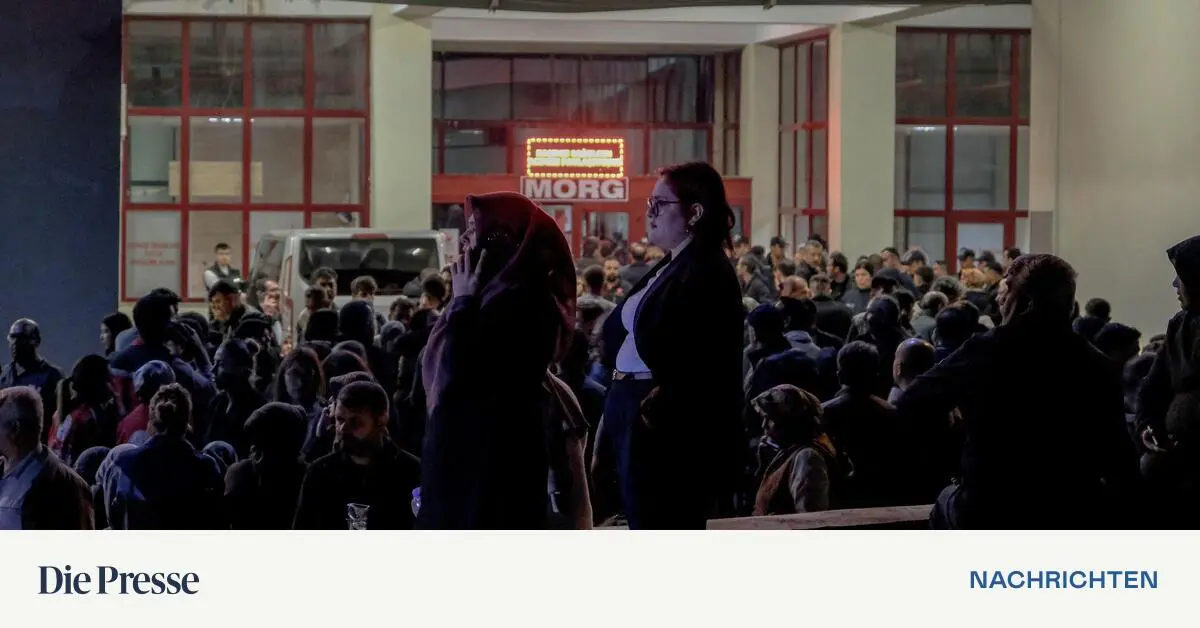
Turkey School Shooting: 9 Dead and Multiple Injured
A 14-year-old student killed nine people, including eight pupils and one teacher, during a shooting at a middle school in Kahramanmaras, Turkey, on April 15, 2026. This attack follows a second school shooting in Siverek on April 14, signaling a sudden and violent breach of domestic security.
This is not merely a localized tragedy. It’s a systemic failure of state-controlled weapon security. When a middle-schooler accesses five firearms and seven magazines from a police officer’s home, the problem shifts from a “personal attack” to a macro-security liability. For the global community, Turkey serves as a critical NATO flank and a primary bridge for Eurasian trade. Any erosion in domestic stability or the sudden rise of erratic, high-casualty violence in public institutions creates a volatile environment for foreign direct investment and operational safety.
The shock is compounded by the rarity of such events in Turkey. The country does not share the endemic school-shooting culture of the United States, making this sudden cluster of violence an anomaly that demands immediate geopolitical scrutiny.
The Kahramanmaras Massacre: A Failure of Oversight
The events of Wednesday, April 15, were characterized by sheer chaos. A 14-year-old eighth-grade student entered two classrooms populated by fifth graders—children typically aged 10 and 11—and opened fire indiscriminately. The result was nine deaths and 13 injuries, with six victims currently in intensive care and three in critical condition.
The horror was captured in real-time. Video footage verified by AFP shows students jumping from first-floor windows to escape the gunfire. This desperation underscores the lack of immediate containment protocols within the school’s infrastructure.
The weaponry was not smuggled or illicitly manufactured. It was state-issued.
“A student came to school with guns that we believe belonged to his father in his backpack. He entered two classrooms and opened fire randomly, causing injuries and deaths,” stated Kahramanmaras province governor Mukerrem Unluer.
The shooter, the son of a former police officer, died during the incident. While Governor Unluer noted that the attacker shot himself, it remains unclear if this was a premeditated suicide or a result of the chaos. The shooter’s father, Ugur Mersinli, has been detained.
For multinational corporations with personnel in the region, this incident highlights a critical vulnerability: the “insider threat” within state security apparatuses. Companies are now urgently onboarding risk management consultants to analyze how the leakage of state-issued weaponry could affect the security profiles of their local assets.
The Siverek Parallel and the Pattern of Violence
The Kahramanmaras attack did not happen in a vacuum. Only 24 hours earlier, on Tuesday, April 14, a former 18-year-old student opened fire at a vocational high school in Siverek, Sanliurfa province. Armed with a shotgun, the attacker wounded at least 16 people before being cornered by police and committing suicide.
Two shootings in two days in southeastern Turkey is a statistical spike that suggests a rupture in the social or security fabric of the region. While Interior Minister Mustafa Ciftci was quick to dismiss the Kahramanmaras attack as a “personal attack” rather than a “terror incident,” the psychological impact on the population is identical.
The speed of these back-to-back events suggests a contagion effect or a systemic lapse in regional monitoring. When public safety is compromised so rapidly, the perceived risk for international business increases. Firms operating in these provinces are now re-evaluating their duty-of-care protocols, often turning to corporate security consultants to harden their own facility perimeters and employee transport routes.
The Gun Law Paradox: Strict Code, Loose Reality
On paper, Turkey maintains a rigorous stance on firearm ownership. Gun laws generally restrict ownership to individuals over the age of 21 who possess a valid license. However, the reality is far more porous. Security officers are granted broad latitude to carry and own arms, creating a class of “privileged” weapon holders whose home storage practices are often unregulated.
This creates a dangerous paradox: while the general public is strictly controlled, the state’s own armories—distributed across thousands of police homes—become the primary source of high-caliber weapons for unstable actors.
The geopolitical fallout of this paradox is significant. As Turkey navigates its complex relationship with the Reuters-reported tensions within NATO and its regional leadership roles, internal instability reflects poorly on its governance capabilities. The inability to secure state weapons within a police officer’s own home is a red flag for diplomatic partners who rely on Turkey’s internal security for broader regional stability.
The legal ramifications for the detainees and the state are equally complex. The detention of Ugur Mersinli indicates a move toward accountability, but the broader question of state negligence remains. Foreign entities navigating these legal waters frequently require international legal advisors to understand the intersection of Turkish administrative law and corporate liability when operating in high-risk zones.
Macro-Economic Ripples and Security Imperatives
While a school shooting may seem like a social issue, in the context of a developing economy like Turkey’s, it is a security metric. Investors track these anomalies through the lens of “social unrest” and “institutional fragility.” If a state cannot secure its weapons or protect its most vulnerable citizens in classrooms, the perceived risk for long-term capital investment rises.
The impact can be seen in the following security dynamics:
- Institutional Trust: A collapse in confidence in school security leads to increased private spending on security, shifting funds away from productive economic investment.
- FDI Sensitivity: Foreign Direct Investment is highly sensitive to “black swan” events. A cluster of shootings suggests a volatility that Bloomberg analysts often categorize as a risk to operational continuity.
- Security Expenditure: Minister Ciftci’s vague promise that authorities “will take necessary precautions” suggests an impending shift toward more militarized school security, which may further alter the social landscape of southeastern Turkey.
The broader regional context, often analyzed by Foreign Affairs, suggests that Turkey’s internal stability is paramount for the containment of volatility in the Middle East. When internal security failures occur, they create openings for narratives of instability that external adversaries can exploit.
The blood spilled in Kahramanmaras and Siverek is a stark reminder that the most dangerous weapons are often those sanctioned by the state. As the Turkish government scrambles to implement “precautions,” the global business community must recognize that the line between state security and state liability is thinner than ever. Navigating this landscape requires more than just awareness; it requires a strategic partnership with elite legal and security firms. To secure your operations against the shifting tides of regional instability, the World Today News Directory remains the definitive resource for connecting with the international consultants capable of mitigating these macro-risks.